

Medicine & Healthcare
News
04 Sep 2025
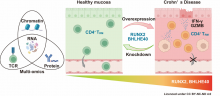
The research group led by Drs. Mitsuru Arase, Mari Murakami, and Prof. Kiyoshi Takeda (Graduate School of Medicine/ Immunology Frontier Research Center at The University of Osaka) revealed that transcription factors RUNX2 and BHLHE40 play crucial roles in inducing T cells involved in Crohn's disease.

04 Sep 2025
Taiwan Innotech Expo (TIE) 2025 will return from October 16–18 at Taipei World Trade Center, Hall 1, uniting government, academia, and industry under the theme “Cross-Domain AI Innovation: Driving the Future with Intelligence.” The event will feature 450 exhibitors presenting nearly 1,100 patented technologies, highlighting Taiwan’s role as a key driver of global innovation.
03 Sep 2025
A customizable protein has been developed to help the body remove harmful cells, such as those involved in cancer or autoimmune diseases, offering a potential new direction for treatments.
02 Sep 2025
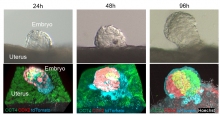
Researchers from The University of Osaka have found that they can keep mouse uterine tissue alive outside of the body, allowing them to directly observe embryonic implantation and development. Their technique brings hope for patients with infertility, and may allow for the development of therapies to treat recurrent implantation failure and improve the chance of implantation success using assisted reproductive technologies.
02 Sep 2025
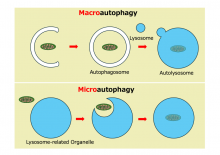
Researchers from The University of Osaka found that macrophages use microautophagy, mediated by Rab32-positive lysosome-related organelles, to directly engulf damaged mitochondria and other organelles. This was discovered to be independent of macroautophagy. Key factors in this process include Rab32 GTPase, PI(3,5)P2, ubiquitination, and p62/SQSTM1. By clearing mitochondria, microautophagy promotes metabolic reprogramming toward glycolysis, supporting M1 macrophage polarization. Loss of Rab32/38 disrupts this process, highlighting microautophagy’s role in regulating macrophage function.
01 Sep 2025
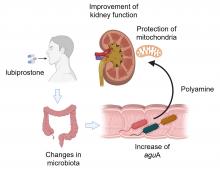
A drug called lubiprostone - typically used for constipation - was remarkably shown to help patients with chronic kidney disease.
29 Aug 2025
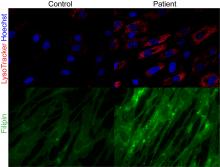
• International researchers led by Duke-NUS identify rare mutations in the SPNS1 gene as the cause of a previously undiagnosed multi-organ disorder
• Faulty fat recycling in cells triggers damaging build-up in muscles and liver
• Findings lay the groundwork for new therapies for affected families
28 Aug 2025
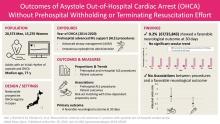
By analyzing outcomes from a large-scale national dataset, this study raises tough questions about the impact of pre-hospital life support procedures on outcomes in patients with asystole.
22 Aug 2025
Scientists from National Taiwan University System developed a next-generation nanomaterial-enhanced mass spectrometry system that dramatically boosts sensitivity and accuracy for detecting multiple classes of psychoactive substances. This approach overcomes traditional matrix interference, allowing rapid, reproducible, and interference-free drug screening for real-time diagnostics.
20 Aug 2025
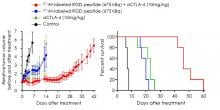
Professor Ogawa, Mr. Echigo (PhD student), and their colleagues in Kanazawa University report in Eur J Nucl Med Mol Imaging that combination of an At-211-labeled agent with immune checkpoint blockade significantly enhances its therapeutic effect. This strategy represents a promising advancement in the development of next-generation cancer therapies that combine targeted alpha therapy and immunotherapy.
19 Aug 2025
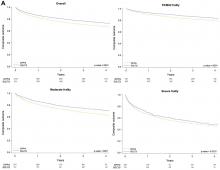
Taiwanese research team provides important new evidence on diabetes medications' respiratory outcomes, with implications for patients with dual chronic conditions.
18 Aug 2025
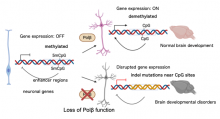
A research group led by The University of Osaka has discovered that the DNA repair enzyme Polβ plays a crucial role in protecting the developing brain from harmful mutations. The study found that a lack of Polβ leads to a significant increase in small insertions and deletions of DNA, known as indels near CpG sites, which are important regulatory regions in genes. This accumulation of mutations could contribute to neurodevelopmental disorders.

13 Aug 2025
Recipient Professor Enrico Petretto from Duke-NUS is spearheading groundbreaking research to develop new drugs for lung disease and uncover new therapeutic targets for kidney disease.

12 Aug 2025
Studies have found that natural polysaccharides from Taiwan's national treasure "Antrodia", after specific treatment, can not only effectively inhibit inflammation, but also fight the proliferation of lung cancer cells.

08 Aug 2025
Discovery of new therapeutic effects induced by CAR-T cell therapy

07 Aug 2025
Prof. Fang-Jen S. Lee's team at National Taiwan University discovered that an intermediate cellular metabolism molecule, glycerol, regulates the localization and function of the Golgi protein Imh1, thus revealing a previously unappreciated connection between cellular metabolism and vesicular transport.

06 Aug 2025
Prognosis indicators may be detectable in canine test results

06 Aug 2025
Scientists found three language-model chatbots — even with advanced prompt‐engineering tricks — often give suboptimal guidance across stroke prevention, diagnosis, treatment and recovery, highlighting the need for human oversight to ensure appropriateness and safety.

05 Aug 2025
A research team at National Taiwan University has developed a new stem cell-based vaccine that could help prevent and treat colorectal cancer.

01 Aug 2025
Bacteria in the digestive system may work to maintain balance directly and indirectly

30 Jul 2025
A group of researchers led by The University of Osaka have identified a novel genetic mutation in Streptococcus pyogenes, a common bacterium which causes strep throat, significantly associated with severe invasive infections. A single mutation in the bacterial ferric ion transporter enhances bacterial growth in human blood. This mutation, unique to Japanese isolates, indicates a novel pathogenic mechanism. This world-first discovery offers a potential new target for treatments and preventive measures.

29 Jul 2025
Researchers from The University of Osaka have used a miniature heater positioned over a nano-sized opening to gently unzip DNA’s double helix into a single strand for quick, efficient analysis. The device enables detection of longer DNA strands than before while using less power and improving accuracy. The technology could be used in handheld medical devices, helping doctors to diagnose disease and tailor treatments based on patients’ genes.

25 Jul 2025
Researchers are one step closer to finding a common target for treating ALS - a fatal neurodegenerative disease that causes progressive muscle weakness.

21 Jul 2025
Echoes of grief, Unexpected mineral, Insulin on edge, Fingerprinting bacteria, Beefing up taste & Power of glass. Read all in the latest Editor's Choice

18 Jul 2025
A team from The University of Osaka found that the intestinal flora works together with the OTUD3 and STING genes to aggravate ulcerative colitis, a disease with no cure that causes major intestinal pain and bloody diarrhea. When the OTUD3 gene is mutated, microbes in the intestinal flora trigger STING signalingOTUD, leading to inflammation in the colon. The intestinal flora and STING signaling may be important new targets for ulcerative colitis treatment.

18 Jul 2025
When fermented with plant-derived bacteria, stevia leaf extract is toxic to pancreatic cancer cells but not to healthy kidney cells

15 Jul 2025
Protein aggregation inhibitor shows lower levels of cell death and paralysis in mice with acute strokes

14 Jul 2025
As the days grow shorter, many animals prepare for the approaching winter by suspending reproduction. Insects, for example, accumulate energy stores while halting ovarian development through a process known as reproductive diapause. In a recent study published in The Journal of Experimental Biology, researchers at The University of Osaka uncovered a key neuroendocrine pathway underlying this seasonal shift in the bean bug Riptortus pedestris, identifying the neuropeptide corazonin as a molecular signal that suppresses reproduction in response to changes in day length.

10 Jul 2025
Researchers from The University of Osaka have identified key genetic mutations linked to extracranial arteriovenous malformations (AVMs), a rare and potentially serious vascular disorder. They have revealed that these mutations activate the RAS/RAF/MEK signaling pathway and that the MAP4K4 gene may drive pathological angiogenesis. This may mean that existing cancer drugs that target the same pathway could be effective for AVM treatment, potentially paving the way for novel therapies.

09 Jul 2025
Researchers from The University of Osaka found that a one-time genome editing treatment introducing a gene encoding the glucagon-like peptide-1 receptor agonist Exendin-4, marketed as the weight-loss drug Exenatide, results in sustained secretion of the drug, reduced food intake, and enhanced weight loss in mice. This in vivo genome editing approach provides a potential strategy for treating complex diseases without defined genetic causes, such as heart disease and autoimmune disorders, without the need for frequent medication.
Events
Sorry, nothing coming up for this discipline
- « first
- ‹ previous
- 1
- 2
- 3
Researchers
Sorry, nothing coming up for this discipline
- « first
- ‹ previous
- 1
- 2
- 3
- 4
Giants in history
Sorry, nothing coming up for this discipline