

Medicine
News

14 Mar 2006
Mekong Wetlands Biodiversity Conservation & Sustainable Use Programme
First bird flu case in Afghanistan, Myanmar; Azerbaijan reports three people dead; Bird flu has limited spread impact; Bird Flu Shot Requires 6-Month Production; Bird flu suspected at poultry farm in Germany; SA: show us the money, say govts; IMF warns of economic blow from pandemic; USGS Testing Wild Birds; Airport staff vaccinated;
12 Mar 2006
Nature Publishing Group
THE NATURE RESEARCH JOURNALS PRESS RELEASE - For papers that will be published online on 12 March 2006
10 Mar 2006
Mekong Wetlands Biodiversity Conservation & Sustainable Use Programme
Africa 'needs fund'; Azerbaijan tests 11 people; Albania culls 2,000..; Norway tests dead ducks; Serbia confirms 1st case; European scare adds cats, dogs; Japan to help; China - 10th Death; Bird Flu Found in Weasel-Like Animal; Bird flu would ravage Asian markets; Poorest forgotten in compensation; Indonesia-Japan venture launches vaccine;
09 Mar 2006
Nature Publishing Group
Three commentaries responding to a call for legalized organ donation are published online this week by Kidney International, the official journal of the International Society of Nephrology.
08 Mar 2006
Nature Publishing Group
The Seoul National University Investigation Committee investigating the work of the disgraced cloning pioneer Woo Suk Hwang has found that Snuppy - the Afghan hound unveiled by Hwang's team as the world's first cloned dog - is genuine.
08 Mar 2006
Nature Publishing Group
Summaries of newsworthy papers from Nature Vol.440 No.7081 Dated 9 March 2006 including "It's all in the expression; Frogs sidestep predation by looking nasty - but not too nasty"
08 Mar 2006
Mekong Wetlands Biodiversity Conservation & Sustainable Use Programme
WHO urge studies on cats; Ministers of Black Sea countries meet; Jurong Bird park's birds vaccinated; Foie gras endangered; Poultry faeces likely cause of spread; Dutch postpone vaccination; Israel sends aid to Nigeria; Virus in China Not Infectious; French Consumers Cut Consumption; Hong Kong to Cut Chicken Population; Researchers Make Strides

07 Mar 2006
Universiti Sains Malaysia
Cervical cancer is the second most common cancer afflicting women. The mortality rate can be greatly reduced with mass screening programs, which are not available in many developing countries due to a shortage of pathologists. This invention known as CCAID System will enable mass screening programs to be undertaken in many developing nations.
06 Mar 2006
Mekong Wetlands Biodiversity Conservation & Sustainable Use Programme
Bird flu virus 'killed Chinese man'; Deadly bird flu virus spreads to southeast France; First Case in Poland; Bird flu a disaster for poor in Africa; Mela attempts to diffuse bird flu care; Number of cases rises to 11; Questions & Answers; Human Infection With Avian Influenza Viruses; No avian influenza yet reported in Uganda
05 Mar 2006
Nature Publishing Group
For papers that will be published online on 5 March 2006 in Nature Materials; Nature Chemical Biology; Nature Genetics; Nature Neuroscience; Nature Immunology; Nature Cell Biology;Nature Structural & Molecular Biology
04 Mar 2006
Divan Enterprise (indianjournals.com)
Despite progress in maternal-fetal medicine, preterm birth is still one of the most complicated problems in modern obstetrics.
02 Mar 2006
Nature Publishing Group
A military-style network of laboratories for the avian flu is proposed; The earthquake that unleashed the tsunami in the Indian Ocean forces some rethinking about how and where such giant earthquakes might occur; The application of neutral theory of biodiversity to real-life data is raising new questions and problems.
02 Mar 2006
Nature Publishing Group
Summaries of newsworthy papers from Nature. Vol.440 No.7080 Dated 2 March 2006
02 Mar 2006
Mekong Wetlands Biodiversity Conservation & Sustainable Use Programme
Pet worries fuel fears; Indonesian Dies; Rs.100,000 for…; African press eyes dangers; World Cup – FIFA; Calls for military labs; Hawaii on front lines; Russia plans mass vaccination; No danger for domestic cats; Lab network proposed; H5N1 in domestic cat in Germany; DA-12 holds forum; Statement From Cats Protection..; situation in Iraq;
01 Mar 2006
Mekong Wetlands Biodiversity Conservation & Sustainable Use Programme
Meeting of experts adds urgency; Cat in Germany Has..; All safety measures ensured; More ban French poultry; Sweden reports 1st case; Distrust hurts Nigeria; Trade and Consumption affected..; Turkish areas still under quarantine; Sweden hit; Defra's Message; Govt rules out any human case; Businesses need to plan..; Sweden confirms..;
28 Feb 2006
Mekong Wetlands Biodiversity Conservation & Sustainable Use Programme
WHO: Human Bird Flu Cases rise; "Bird flu is here ? don't panic!"; Bird Flu Spreads in Nigeria as Wary Farmers Keep Infected Fowl; WHO lauds India for bird flu measures; Speed key to bird flu battle; Beckett rules out panic bird flu vaccination; Romanian lab rules out bird flu in 21-year-old man; Poultry sector reels under bird flu fears
28 Feb 2006
Nature Publishing Group
Nature Publishing Group (NPG) and the Australasian Society for Immunology (ASI) today announce an agreement for NPG to publish in partnership with the Society its flagship journal, Immunology and Cell Biology, from January 2007.
27 Feb 2006
Nature Publishing Group
Mice subjected to stress caused by the presence of an aggressive intruder, repress the gene that produces a growth factor called brain derived neurotrophic factor (BDNF), reports a paper in the March issue of Nature Neuroscience. This finding suggests a molecular pathway by which stress may cause lasting changes in gene regulation
27 Feb 2006
Divan Enterprise (indianjournals.com)
Theme of the Issue : Neonatal Screening and Interventions
27 Feb 2006
Mekong Wetlands Biodiversity Conservation & Sustainable Use Programme
Bird flu in Switzerland; Factory farms behind spread; Bird flu kills swans in France; Romania suspects man…; A chicken fest…; Outbreak Reported in Russia..; outbreak possible, warns China; India's poultry industry hurt; Indonesia records 20th fatality; Germany confirms three more cases; "Don't confuse human influenza with bird flu"
21 Feb 2006
Mekong Wetlands Biodiversity Conservation & Sustainable Use Programme
Indon govt to take steps; India quarantines 6; 3 babies quarantined; Hatcheries, hotel stocks decline; SA: Bird flu ruffles few feathers; Pharma companies gear up to supply drug; Govt dispels doubts; 3 more in Nigerian states; neighbours shut doors; Govt battles poultry companies; Situation in Indonesia; Defra Consults With Ornithological .;

21 Feb 2006
Convention on the Conservation of Migratory Species of Wild Animals (CMS)
While some media are still portraying birds as the main vectors of the spread of avian flu, the UNEP with its associated CMS and the AEWA are launching a campaign to remind the world that migrations are essential to natural processes for the effective functioning of our ecosystems.
21 Feb 2006
Nature Publishing Group
Previous studies have shown a correlation between childhood obesity and adult asthma but here the authors show for the first time an additional link to depression alongside the other conditions.
21 Feb 2006
Convention on the Conservation of Migratory Species of Wild Animals (CMS)
By continuing to focus only on bird migrations, other mechanisms and paths for the contamination are being underestimated, and effective protection measures ignored.
20 Feb 2006
Mekong Wetlands Biodiversity Conservation & Sustainable Use Programme
‘MNCs exploiting..; No impact of on Bihar market, Govt alerts officials; Pandemic more likely; Cairo zoo closed; 1 life claimed; Indian style of cooking kills virus; Govt prepared; France on war footing; Germany deploys army island; 130 chickens dead in Qena, Egypt; Mr. Yukol affirms Thailand is under ...

19 Feb 2006
Universiti Malaysia Sarawak
Two scientific officer positions are available to work on a Wellcome Trust-funded 3-year research project on molecular epidemiological and population genetic studies on knowlesi malaria
19 Feb 2006
Nature Publishing Group
A new model that explains why cooling sometimes causes liquid molecules to
form disordered glasses rather than ordered crystals; The hunger-signaling gut hormone ghrelin can increase the number of nerve connections in a region of the brain crucial for the formation of new memories
17 Feb 2006
Mekong Wetlands Biodiversity Conservation & Sustainable Use Programme
Albanian president touts measures against bird flu; CSL encouraged by small-dose vaccine test; EU launches more measures to fight bird flu; NIGER: Dead birds raise fears; Bird flu hits Slovenia, where in EU next?; Second Iraqi dies; Vietnam to restore poultry industry; US to test child vaccine; Avian influenza confirmed in swans in Hungary ...
16 Feb 2006
Mekong Wetlands Biodiversity Conservation & Sustainable Use Programme
Bird flu 'could take 142m lives'; Russia reports new outbreak; UN official urges better strategy to combat bird flu; NIGERIA: International experts deploy to help check bird flu; Iraqi health minister declares alert in southern province; Virulent strain now in Germany; False reports lead to slaughter in Zambia; EU Confirmed Case in Hungary …
15 Feb 2006
Nature Publishing Group
Broken Genius: The rise and fall of William Shockley, Creator of the electronic age; Bones, Rocks & Stars: The science of when things happened; The Whole Story: Alternative medicine on trial?; Climate Change Begins at Home: Life on the two-way street of global warming; The Science of the Hitchhiker's Guide to the Galaxy
Researchers
Sorry, no researchers coming up for this topic.
- « first
- ‹ previous
- 1
- 2
- 3
- 4
Giants in history

Henriette Bui Quang Chieu (1906 – 2012) was inspired to follow in her brother’s footsteps and become a doctor after losing her mother to tuberculosis. She studied in France and became the first Vietnamese woman to receive a medical degree. Upon her return to Vietnam, Bui was appointed head of the Department of Midwifery at Cho Lon Hospital in Ho Chi Minh City. A pioneer in gynaecology, she applied acupuncture techniques that she had learned in Japan to obstetrics. As Vietnam was still a French colony, Bui also lobbied for the rights of Vietnamese doctors, nurses, and patients.

Japanese biochemist Akira Endo (1933 – 2024) discovered the first statin, called mevastatin, which lowered cholesterol levels in the blood by inhibiting a key enzyme in the cholesterol biosynthesis pathway. His work laid the foundation for the development of statins to help patients lower their blood cholesterol levels and reduce their risk of heart disease or stroke.

Tu Youyou (born 30 December 1930) is a Chinese pharmaceutical scientist who was awarded the 2015 Nobel Prize in Physiology or Medicine for her work on extracting artemisin from sweet wormwood to treat malaria.

Filipina paediatrician and scientist Perla Santos-Ocampo (25 July 1931 – 29 June 2012) made important contributions to treatments and policies that curbed debilitating and sometimes deadly diarrhoea-related diseases and malnutrition in children.

Singaporean physician Oon Chiew Seng (1916 – 31 March 2022) advanced dementia care and research in Singapore, and co-founded the Apex Harmony Lodge, the nation’s first nursing home for residents with dementia.

Vietnamese surgeon Tôn Thất Tùng (10 May 1912 – 7 May 1982) developed a pioneering technique that reduced the risks and mortality rate of liver operations.
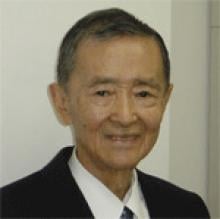
Michiaki Takahashi (17 February 1928 – 16 December 2013) was a Japanese virologist who developed the first chickenpox vaccine.

Irene Ayako Uchida’s (8 April 1917 – 30 July 2013) strides to understand genetic diseases such as Down syndrome paved the way for early screening of chromosomal abnormalities in foetuses.
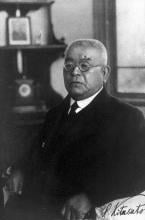
Baron Kitasato Shibasaburo (29 January 1856 – 13 June 1931) was a Japanese physician and bacteriologist whose work led to a new understanding of preventing and treating tetanus, diphtheria and anthrax.

Maggie Lim (5 January 1913 – November 1995) was a Singaporean physician who promoted family planning and expanded the access to clinics to improve the quality of life for mothers and children in Singapore’s early days.
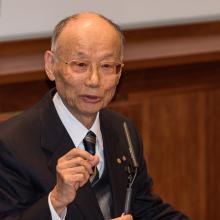
By isolating soil microorganisms and studying the compounds they produce, Satoshi Omura (born 1935) discovered almost 500 organic compounds with unique properties that were produced by these microorganisms, including many new antibiotics.
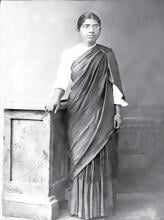
The founder of the Adyar Cancer Institute in India, Muthulakshmi Reddy (30 July 1886 – 22 July 1968), fought to uplift women and girls from impoverished situations.
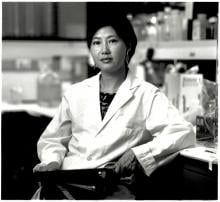
Chinese-American virologist and molecular biologist Flossie Wong-Staal (27 August 1946 – 8 July 2020) was the first scientist to clone HIV and determine the function of its genes.

Maharani Chakravorty (1937 – 2015) was one of India’s earliest molecular biologists whose research paved the way for advances in the treatment of bacterial and viral infections.
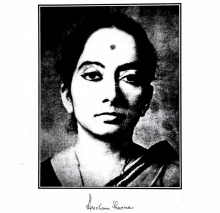
Archana Sharma (16 February 1932 - 14 January 2008) conducted research into plant and human genetics that expanded the understanding of both botany and human health. In relation to botany, she uncovered the means by which asexually-reproducing plants evolve into new species.
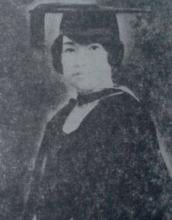
The first Thai woman to receive a degree in medicine, Margaret Lin Xavier (29 May 1898 – 6 December 1932), is best remembered for her compassion towards her less privileged patients.
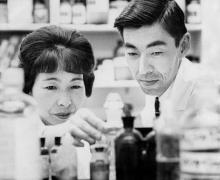
Husband and wife team, Kimishige (3 December 1925 – 6 July 2018) and Teruko Ishizaka (28 September 1926 – 4 June 2019) discovered the antibody class Immunoglobulin E (IgE) that triggers allergic reactions. They also discovered that IgE antibodies attach to white blood cells, known as mast cells, releasing histamine, which causes allergic reactions.
Husband and wife team, Kimishige (3 December 1925 – 6 July 2018) and Teruko Ishizaka (28 September 1926 – 4 June 2019) discovered the antibody class Immunoglobulin E (IgE) that triggers allergic reactions. They also discovered that IgE antibodies attach to white blood cells, known as mast cells, releasing histamine, which causes allergic reactions.
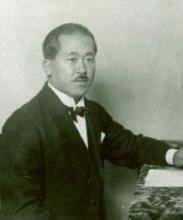
In 1915, Koichi Ichikawa along with pathologist Katsusaburo Yamagiwa became the first to prove that chronic exposure to chemicals can cause cancer.
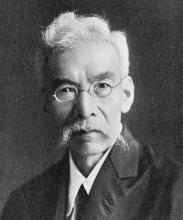
In 1915, pathologist Katsusaburo Yamagiwa and his research assistant Koichi Ichikawa became the first to prove that chronic exposure to chemicals can cause cancer.
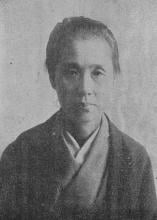
Ogino Ginko (3 March 1851 – 23 June 1913) was the first registered female doctor to practise modern medicine in Japan.
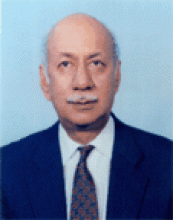
Syed Qasim Mehdi (13 February 1941 – 28 September 2016) was a Pakistani molecular biologist who was a founding member of the Human Genome Diversity Project (HGDP), which assessed human diversity by studying human migration, mutation rates, relationships between different populations, genes involved in height and selective pressure.
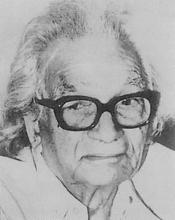
Salimuzzaman Siddiqui (19 October 1897 – 14 April 1994) was an artist and chemist from Pakistan whose research focused on natural products from plants.
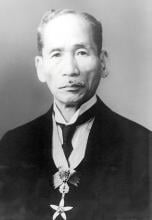
Umetaro Suzuki (7 April 1874 – 20 September 1943) was a Japanese scientist best remembered for his research on beriberi, a disease caused by vitamin B1 deficiency, characterized by limb stiffness, paralysis and pain.

Barry Paw (29 August 1962 – 28 December 2017) was a biologist and oncologist who discovered several novel genes and their functions in red blood cells.

Chika Kuroda (24 March 1884 – 8 November 1968) was a Japanese chemist whose research focussed on the structures of natural pigments.

Indian organic chemist Asima Chatterjee (1917 to 2006) studied the medicinal properties of plant products, especially compounds known as vinca alkaloids.

David T. Wong (born 1936) is a Hong Kong-born American neuroscientist who is best known for discovering the antidepressant drug fluoxetine, better known as Prozac.

Wu Lien-teh (10 March 1879 – 21 January 1960) was a Malaysian-born doctor who invented a mask that effectively suppressed disease transmission. Winning the prestigious Queen’s Scholarship enabled Wu to become the first Chinese student to study medicine at the University of Cambridge.
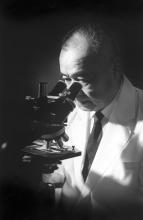
Minoru Shirota (April 23, 1899 – March 10, 1982) was a Japanese microbiologist who invented the popular fermented drink Yakult.
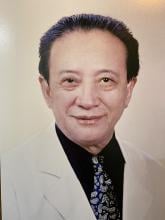
After witnessing death and suffering as a youth in his home village during World War II, Nguyễn Tài Thu (6 April 1931 – 14 February 2021) set his sights on alleviating pain by becoming a doctor. After studying Traditional Chinese Medicine in China in the 1950s, Thu returned to Vietnam to serve in military hospitals. Eventually, he became the country’s foremost practitioner of acupuncture, a technique he first learned by inserting needles into himself.
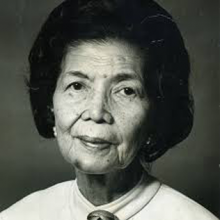
Fe Villanueva del Mundo (27 November 1911 – 6 August 2011) was a Filipina paediatrician who founded the Philippines’ first paediatric hospital.
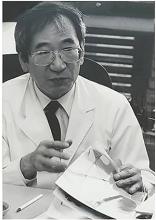
Korean parasitologist Seung-Yull Cho (16 November 1943 – 27 January 2019) is remembered largely for his pioneering works to control infections caused by helminthic parasites and his contribution to journal publishing.

Filipino chemist and pharmacist Manuel A. Zamora (29 March 1870 – 9 July 1929) is best remembered for his discovery of the tiki-tiki formula to combat beriberi, a disease caused by Vitamin B1 deficiency.
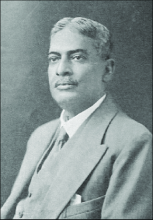
Indian scientist and physician Upendranath Brahmachari (19 December 1873–6 February 1946) is best known for creating a drug called Urea Stibamine, used to safely and reliably treat visceral leishmaniasis (or Kala-azar), a severe infection caused by the Leishmania parasite.

Thai physician and conservationist Boonsong Lekagul (1907 – 1992) made major contributions to the preservation of his country’s wildlife.

The research of Filipino pharmaceutical chemist Luz Oliveros-Belardo (3 November 1906 – 12 December 1999) focussed on essential oils and other chemicals derived from native Philippine plants.

Ground-breaking cancer researcher Kamal Jayasing Ranadive (8 November 1917 – 11 April 2001) advanced the understanding of the causes of leukaemia, breast cancer and oesophageal cancer through the use of animal models. She was also among the first to recognise how susceptibility to cancer is linked to tumour-causing interactions between hormones and viruses.
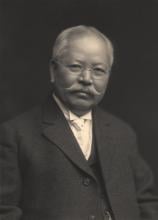
Japanese chemist Takamine Jokichi (3 November 1854 – 22 July 1922) founded the Tokyo Artificial Fertilizer Company, where he isolated a starch-digesting enzyme (named takadiastase) from the fungus Aspergillus oryzae.
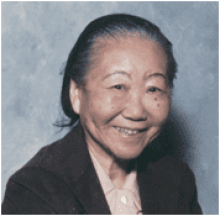
Tsai-Fan Yu (1911 – 2 March 2007) was a Chinese-American physician and researcher who was the first female full professor at Mount Sinai School of Medicine. She discovered that gout, a condition characterized by the painful inflammation of joints, was caused by elevated levels of uric acid in the bloodstream.
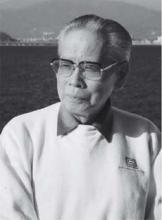
A Japanese surgeon, Tetsuzo Akutsu (20 August 1922 – 9 August 2007) built the first artificial heart capable of keeping an animal alive.
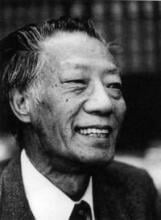
Min Chueh Chang (10 October 1908 – 5 June 1991) was a Chinese-American biologist who studied fertilization in mammalian reproduction.
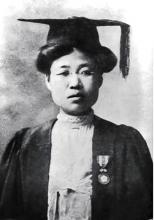
Esther Park (1877-1910), born Kim Jeom-dong, was the first female Korean physician to practise modern medicine in Korea and trained the first generation of Korean female doctors.