

Medicine
News

01 Feb 2006
Nature Publishing Group
Summaries of newsworthy papers from Nature Vol.439 No.7076 Dated 2 February 2006
29 Jan 2006
Nature Publishing Group
Dry earwax is found frequently amongst East Asians, while wet earwax is frequent Amongst individuals with African and European ancestry.
29 Jan 2006
Nature Publishing Group
NATURE AND THE NATURE RESEARCH JOURNALS PRESS RELEASE - For papers that will be published online on 29 January 2006

26 Jan 2006
Universiti Malaysia Sarawak
An ergonomically designed mechanical device that can help to increase the rate of union in the healing of open fractures of the tibia has been developed at Unimas. The device is presently being tested in local hospitals.
26 Jan 2006
Mekong Wetlands Biodiversity Conservation & Sustainable Use Programme
Mainlander killed; Experts bid to allay fears; China's 8th patient out of quarantine; Algeria denies report of human death; Egypt farmer dumps 10,000 chicks; Japan starts slaughter of 770,000 birds; US team satisfied with Turkey's efforts; US government delegation visits Armenia; International Pledging Conference; Science at the Forefront; H5N1 FAQ
25 Jan 2006
Nature Publishing Group
A study published in this week's Nature takes a detailed look inside the influenza virus - and the view could help determine how the pathogen replicates inside cells.
25 Jan 2006
Nature Publishing Group
Summaries of newsworthy papers from Nature, Vol.439 No.7075 Dated 26 January 2006
25 Jan 2006
Mekong Wetlands Biodiversity Conservation & Sustainable Use Programme
Austria seeks EU crisis stock of drugs; Database Helps Scientists Develop Vaccine; Biosecurity is the answer; Asian states slow to report; May Spread to Russia; Turkey Overcomes; AFGHANISTAN: UN warns of risk; LIVE FOWL TO OFFSET FALTERING SALES; Dutch farmers may reject vaccination; Nepal strengthening control of poultry; FDA Issues Statement
24 Jan 2006
Universiti Malaysia Sarawak
Universiti Malaysia Sarawak (UNIMAS) in partnership with Venture Technologies Sdn Bhd (VT) and Bavarian Nordic (BN) have genetically engineered MVA (a modified vaccinia virus, known to be a safe smallpox vaccine) to contain genes from dengue virus.
24 Jan 2006
Mekong Wetlands Biodiversity Conservation & Sustainable Use Programme
WHO Says Possible Pandemic Not Exaggerated; China announces 10th case; Turkey culls 1.28 mln fowl; IMF: Turkish Economy not affected; Generex to meet with FDA; Europe spooked; US Delegation Praises Turkey; Poverty in ill-fated town; Mutations detected in Turkish sample; Situation in Indonesia; United States Pursues Criminal Charges in Drug Fraud
23 Jan 2006
Mekong Wetlands Biodiversity Conservation & Sustainable Use Programme
Algeria steps up measures; Free Chicken Meat Reduces Anxiety; France investigates possible human case; Bird flu hasn't slowed tourists; WHO - two more Indonesians dead; Bird flu may spread faster; Australian academic mocks 'over-reaction'; Hunting Bird Flu; Update from National Coordination Center; Firms at summit are urged to plan for the worst
22 Jan 2006
Nature Publishing Group
A revolutionary technique that uses the Earth's magnetic field to do nuclear magnetic resonance (NMR) spectroscopy; A new mechanism by which human immunodeficiency virus (HIV) cripples immune responses in virus-infected AIDS patients; An insight into the development of AIDS from HIV-1
20 Jan 2006
Nature Publishing Group
Pleasurable Kingdom: Animals and the nature of feeling good; Viruses Vs. Superbugs: A solution to the antibiotics crisis?; One tortoise's tale of conservation, commerce, cloning, combat and collecting on the high seas; A refreshing polemic on the promises, pitfalls and politics of science - with cartoons!
20 Jan 2006
Mekong Wetlands Biodiversity Conservation & Sustainable Use Programme
Indonesia blames bird flu for toddler's death; Sufficient anti-viral stocks by 2007; Indonesia confirms 14th death; $1.9 Billion Collected; Elderberries 'may combat bird flu'; CAST Assesses Potential For Human Pandemic; State reveals plan; Finland prepared; BioCryst life threatening influenza injection fast tracked; Situation in China
19 Jan 2006
Mekong Wetlands Biodiversity Conservation & Sustainable Use Programme
Iraq investigating possible bird flu death; STMicro Lab-On-Chip Detects Bird Flu; Fifth child death linked to bird flu; World Leaders Pledge $1.9 Billion; Bird Flu Suspected Child Dies in Mus; China announces 6th human death; Pandemic fear boosts pledges at conference; FAO Warns Europe over spring migrations; Poultry farmers feel impact of bird flu
18 Jan 2006
Nature Publishing Group
Summaries of newsworthy papers from Nature Vol.439 No.7074 Dated 19 January 2006 including Listen up, our ears used to be used for breathing; Hunt for hormone machinery bears fruit; Icy frustration
18 Jan 2006
Mekong Wetlands Biodiversity Conservation & Sustainable Use Programme
Turkey fails to stop Bird Flu; EU, Roche increase commitment; Bird flu claims 2nd sibling; Call for global effort; Bird flu could cost insurers $US133 bln; Children Seen at Risk..; Cyprus guards against bird flu, wants more drugs; Drug firm ups WHO donation by 2 million doses; Global conference aims to pool financial resources on curbing bird ...
17 Jan 2006
Nature Publishing Group
Some of the 'friendly bacteria' found in yoghurt have been genetically modified to release a drug that blocks HIV infection, [email protected] reports today.
17 Jan 2006
Mekong Wetlands Biodiversity Conservation & Sustainable Use Programme
Turkey culls 932,000 fowl; Nabarro Begs Richest Nations; Israel scare proves unfounded; £560m pledged to help poorer nations; Indonesian girl dies; Middle East on high alert; Iran readies for spread from Turkey; Situation in Turkey; Commissioner Kyprianou visits China; France learns from VN's experience
16 Jan 2006
Mekong Wetlands Biodiversity Conservation & Sustainable Use Programme
Fourth Turkish child dies of bird flu; Is Bird Flu Overhyped?; Syrian border cities take precaution against bird flu; Cash set to help Kyrgyzstan, Turkey fight bird flu; Suspected bird flu case in Germany-newspaper; Bird flu review 'complacent'; UK investigators seize massive haul of suspected stolen bird flu;
15 Jan 2006
Nature Publishing Group
NATURE AND THE NATURE RESEARCH JOURNALS PRESS RELEASE - For papers that will be published online on 15 January 2006
13 Jan 2006
Mekong Wetlands Biodiversity Conservation & Sustainable Use Programme
Turkish govt confirms 3rd bird flu death; $665m put up for bird flu aid; WHO says Spain's implementation of anti-bird flu measures; Bird flu strain 'could be mutating'; Porous borders add to Iraq bird flu fears; Turkey bird flu analysis complete; WHO: Avian Influenza Precautions will Suffice; Romania confronts possible first human case of bird flu
12 Jan 2006
Nature Publishing Group
Regulating cholesterol levels in the brain decreases levels of the Amyloid-beta peptide. This peptide is thought to be the causative agent of involved in the pathology of Alzheimer's disease.

12 Jan 2006
Asia Research News
International Symposium On Stem Cell Biology and Regenerative Medicine-from Bench to Bedside; One Day Seminar on Engineering and Environmental Geophysics
11 Jan 2006
Nature Publishing Group
Results from a molecular analysis of a patient's biopsy, coupled with experimental data could help clinicians decide which EGFR targeted treatment will be more effective for the patient.
11 Jan 2006
Nature Publishing Group
Summaries of newsworthy papers from Nature Vol.439 No.7073 including Neural tube defects untangled; Ants teach each other a lesson
10 Jan 2006
Nature Publishing Group
Nature welcomes the announcement by the inquiry organised by Seoul National University concluding that the Afghan hound Snuppy was indeed a clone, as reported in Nature (Nature 436, 641, 2005).
08 Jan 2006
Divan Enterprise (indianjournals.com)
Panchgavya substances can be used to treat disorders such as arthritis, renal disorders, dietary disorders, gastrointestinal track disorders, acidity, asthma etc. Recently cow urine was granted U.S. Patents for its medicinal properties, particularly for bacterial infection and fight against cancers.
08 Jan 2006
Nature Publishing Group
Role of genomic instability and p53 in AID-induced c-myc-Igh translocations and Bile acids induce energy expenditure by promoting intracellular thyroid hormone activation
Researchers
Sorry, no researchers coming up for this topic.
- « first
- ‹ previous
- 1
- 2
- 3
- 4
Giants in history

Henriette Bui Quang Chieu (1906 – 2012) was inspired to follow in her brother’s footsteps and become a doctor after losing her mother to tuberculosis. She studied in France and became the first Vietnamese woman to receive a medical degree. Upon her return to Vietnam, Bui was appointed head of the Department of Midwifery at Cho Lon Hospital in Ho Chi Minh City. A pioneer in gynaecology, she applied acupuncture techniques that she had learned in Japan to obstetrics. As Vietnam was still a French colony, Bui also lobbied for the rights of Vietnamese doctors, nurses, and patients.

Japanese biochemist Akira Endo (1933 – 2024) discovered the first statin, called mevastatin, which lowered cholesterol levels in the blood by inhibiting a key enzyme in the cholesterol biosynthesis pathway. His work laid the foundation for the development of statins to help patients lower their blood cholesterol levels and reduce their risk of heart disease or stroke.

Tu Youyou (born 30 December 1930) is a Chinese pharmaceutical scientist who was awarded the 2015 Nobel Prize in Physiology or Medicine for her work on extracting artemisin from sweet wormwood to treat malaria.

Filipina paediatrician and scientist Perla Santos-Ocampo (25 July 1931 – 29 June 2012) made important contributions to treatments and policies that curbed debilitating and sometimes deadly diarrhoea-related diseases and malnutrition in children.

Singaporean physician Oon Chiew Seng (1916 – 31 March 2022) advanced dementia care and research in Singapore, and co-founded the Apex Harmony Lodge, the nation’s first nursing home for residents with dementia.
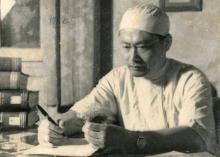
Vietnamese surgeon Tôn Thất Tùng (10 May 1912 – 7 May 1982) developed a pioneering technique that reduced the risks and mortality rate of liver operations.
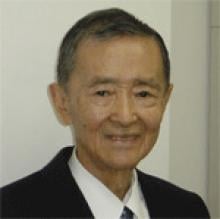
Michiaki Takahashi (17 February 1928 – 16 December 2013) was a Japanese virologist who developed the first chickenpox vaccine.
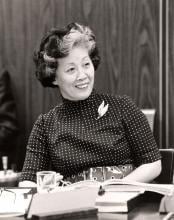
Irene Ayako Uchida’s (8 April 1917 – 30 July 2013) strides to understand genetic diseases such as Down syndrome paved the way for early screening of chromosomal abnormalities in foetuses.
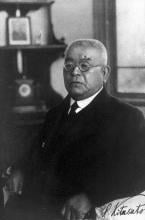
Baron Kitasato Shibasaburo (29 January 1856 – 13 June 1931) was a Japanese physician and bacteriologist whose work led to a new understanding of preventing and treating tetanus, diphtheria and anthrax.
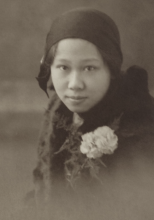
Maggie Lim (5 January 1913 – November 1995) was a Singaporean physician who promoted family planning and expanded the access to clinics to improve the quality of life for mothers and children in Singapore’s early days.
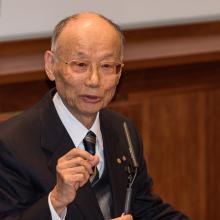
By isolating soil microorganisms and studying the compounds they produce, Satoshi Omura (born 1935) discovered almost 500 organic compounds with unique properties that were produced by these microorganisms, including many new antibiotics.
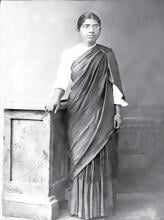
The founder of the Adyar Cancer Institute in India, Muthulakshmi Reddy (30 July 1886 – 22 July 1968), fought to uplift women and girls from impoverished situations.
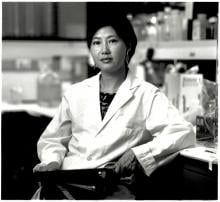
Chinese-American virologist and molecular biologist Flossie Wong-Staal (27 August 1946 – 8 July 2020) was the first scientist to clone HIV and determine the function of its genes.

Maharani Chakravorty (1937 – 2015) was one of India’s earliest molecular biologists whose research paved the way for advances in the treatment of bacterial and viral infections.
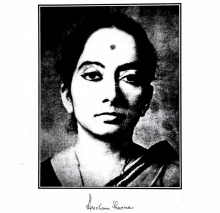
Archana Sharma (16 February 1932 - 14 January 2008) conducted research into plant and human genetics that expanded the understanding of both botany and human health. In relation to botany, she uncovered the means by which asexually-reproducing plants evolve into new species.
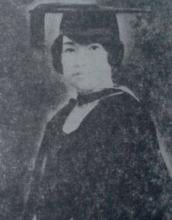
The first Thai woman to receive a degree in medicine, Margaret Lin Xavier (29 May 1898 – 6 December 1932), is best remembered for her compassion towards her less privileged patients.
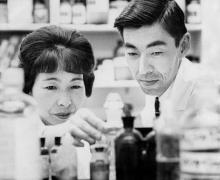
Husband and wife team, Kimishige (3 December 1925 – 6 July 2018) and Teruko Ishizaka (28 September 1926 – 4 June 2019) discovered the antibody class Immunoglobulin E (IgE) that triggers allergic reactions. They also discovered that IgE antibodies attach to white blood cells, known as mast cells, releasing histamine, which causes allergic reactions.
Husband and wife team, Kimishige (3 December 1925 – 6 July 2018) and Teruko Ishizaka (28 September 1926 – 4 June 2019) discovered the antibody class Immunoglobulin E (IgE) that triggers allergic reactions. They also discovered that IgE antibodies attach to white blood cells, known as mast cells, releasing histamine, which causes allergic reactions.
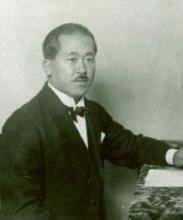
In 1915, Koichi Ichikawa along with pathologist Katsusaburo Yamagiwa became the first to prove that chronic exposure to chemicals can cause cancer.
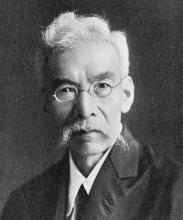
In 1915, pathologist Katsusaburo Yamagiwa and his research assistant Koichi Ichikawa became the first to prove that chronic exposure to chemicals can cause cancer.
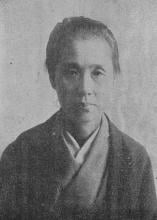
Ogino Ginko (3 March 1851 – 23 June 1913) was the first registered female doctor to practise modern medicine in Japan.
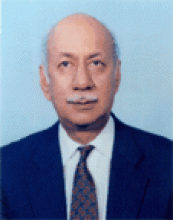
Syed Qasim Mehdi (13 February 1941 – 28 September 2016) was a Pakistani molecular biologist who was a founding member of the Human Genome Diversity Project (HGDP), which assessed human diversity by studying human migration, mutation rates, relationships between different populations, genes involved in height and selective pressure.
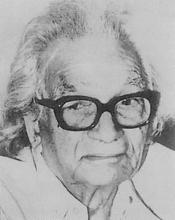
Salimuzzaman Siddiqui (19 October 1897 – 14 April 1994) was an artist and chemist from Pakistan whose research focused on natural products from plants.
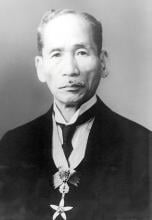
Umetaro Suzuki (7 April 1874 – 20 September 1943) was a Japanese scientist best remembered for his research on beriberi, a disease caused by vitamin B1 deficiency, characterized by limb stiffness, paralysis and pain.
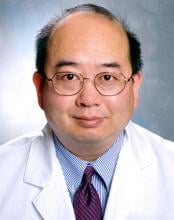
Barry Paw (29 August 1962 – 28 December 2017) was a biologist and oncologist who discovered several novel genes and their functions in red blood cells.
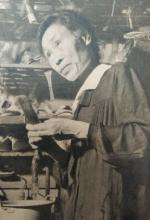
Chika Kuroda (24 March 1884 – 8 November 1968) was a Japanese chemist whose research focussed on the structures of natural pigments.
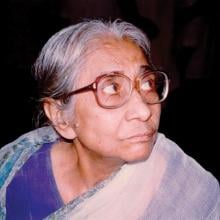
Indian organic chemist Asima Chatterjee (1917 to 2006) studied the medicinal properties of plant products, especially compounds known as vinca alkaloids.
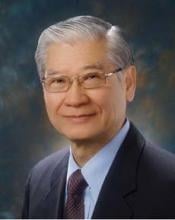
David T. Wong (born 1936) is a Hong Kong-born American neuroscientist who is best known for discovering the antidepressant drug fluoxetine, better known as Prozac.
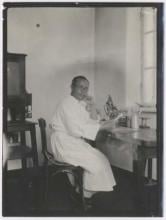
Wu Lien-teh (10 March 1879 – 21 January 1960) was a Malaysian-born doctor who invented a mask that effectively suppressed disease transmission. Winning the prestigious Queen’s Scholarship enabled Wu to become the first Chinese student to study medicine at the University of Cambridge.
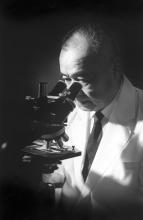
Minoru Shirota (April 23, 1899 – March 10, 1982) was a Japanese microbiologist who invented the popular fermented drink Yakult.
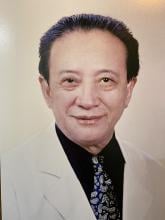
After witnessing death and suffering as a youth in his home village during World War II, Nguyễn Tài Thu (6 April 1931 – 14 February 2021) set his sights on alleviating pain by becoming a doctor. After studying Traditional Chinese Medicine in China in the 1950s, Thu returned to Vietnam to serve in military hospitals. Eventually, he became the country’s foremost practitioner of acupuncture, a technique he first learned by inserting needles into himself.
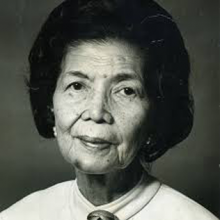
Fe Villanueva del Mundo (27 November 1911 – 6 August 2011) was a Filipina paediatrician who founded the Philippines’ first paediatric hospital.
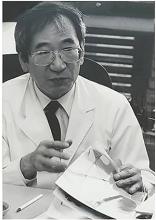
Korean parasitologist Seung-Yull Cho (16 November 1943 – 27 January 2019) is remembered largely for his pioneering works to control infections caused by helminthic parasites and his contribution to journal publishing.
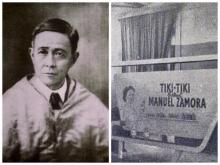
Filipino chemist and pharmacist Manuel A. Zamora (29 March 1870 – 9 July 1929) is best remembered for his discovery of the tiki-tiki formula to combat beriberi, a disease caused by Vitamin B1 deficiency.
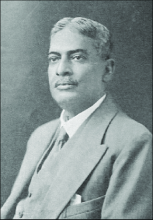
Indian scientist and physician Upendranath Brahmachari (19 December 1873–6 February 1946) is best known for creating a drug called Urea Stibamine, used to safely and reliably treat visceral leishmaniasis (or Kala-azar), a severe infection caused by the Leishmania parasite.
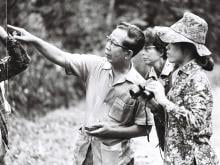
Thai physician and conservationist Boonsong Lekagul (1907 – 1992) made major contributions to the preservation of his country’s wildlife.
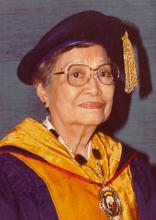
The research of Filipino pharmaceutical chemist Luz Oliveros-Belardo (3 November 1906 – 12 December 1999) focussed on essential oils and other chemicals derived from native Philippine plants.

Ground-breaking cancer researcher Kamal Jayasing Ranadive (8 November 1917 – 11 April 2001) advanced the understanding of the causes of leukaemia, breast cancer and oesophageal cancer through the use of animal models. She was also among the first to recognise how susceptibility to cancer is linked to tumour-causing interactions between hormones and viruses.
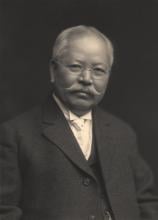
Japanese chemist Takamine Jokichi (3 November 1854 – 22 July 1922) founded the Tokyo Artificial Fertilizer Company, where he isolated a starch-digesting enzyme (named takadiastase) from the fungus Aspergillus oryzae.
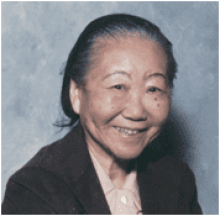
Tsai-Fan Yu (1911 – 2 March 2007) was a Chinese-American physician and researcher who was the first female full professor at Mount Sinai School of Medicine. She discovered that gout, a condition characterized by the painful inflammation of joints, was caused by elevated levels of uric acid in the bloodstream.
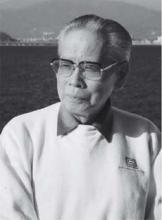
A Japanese surgeon, Tetsuzo Akutsu (20 August 1922 – 9 August 2007) built the first artificial heart capable of keeping an animal alive.
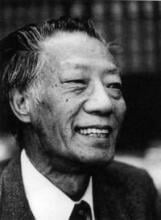
Min Chueh Chang (10 October 1908 – 5 June 1991) was a Chinese-American biologist who studied fertilization in mammalian reproduction.
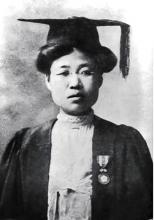
Esther Park (1877-1910), born Kim Jeom-dong, was the first female Korean physician to practise modern medicine in Korea and trained the first generation of Korean female doctors.