
Technology
News

29 Jul 2026
Institute of Industrial Science, The University of Tokyo (UTokyo-IIS)
Researchers from the Institute of Industrial Science, The University of Tokyo experimentally demonstrate unique optical behavior from a long-sought aperiodic pattern
29 Jul 2026
Institute of Industrial Science, The University of Tokyo (UTokyo-IIS)
Researchers from the Institute of Industrial Science, The University of Tokyo reveal how limited resources can cause sudden changes in the way organisms process information
29 Jul 2026
The University of Osaka
Researchers at the University of Osaka have developed a method to build stable, tubular hydrogel structures at the arteriole scale. Using a technique called meniscus-guided interfacial ring-by-ring assembly, UV light is used to form ring-shaped structures at an oil–hydrogel interface, which combine to form hollow tubes. Different tubes could be created with good stability, controlled sizes, complex shapes, and multi-component structures. These structures could help to create vascular networks for artificial tissue models.
28 Jul 2026
Sungkyunkwan University
Contactless Short-Term Memory Control via Surface Acoustic Waves Demonstrates the Potential of Next-Generation Low-Power Neuromorphic Semiconductors
28 Jul 2026
Singapore University of Technology and Design
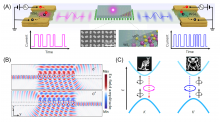
SUTD researchers, together with international collaborators, have built a chip that writes, sorts, and electrically reads information stored in the “valleys” of an atomically thin material—all at room temperature and without bulky laboratory optics.
28 Jul 2026
Sungkyunkwan University
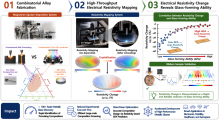
A simple electrical measurement can map promising alloy compositions in seconds
24 Jul 2026
Sungkyunkwan University
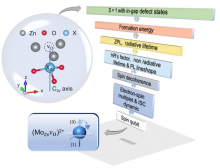
SKKU research team led by Professor Hosung Seo, in an international collaboration, publishes its findings in PRX Quantum, a leading journal in quantum information science.

23 Jul 2026
Newcastle University in Singapore
A review maps how modern diagnostics and reversible materials can help museums protect silk, leather, paper and wood with less damage.
23 Jul 2026
Lingnan University
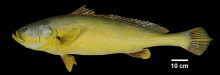
The Chinese bahaba (Bahaba taipingensis), a marine fish species endemic to the Chinese coast and known as the “Panda of the Sea”, is a critically endangered species and one of the few marine fish listed as a first-class protected wild animal in China. Collaborative research led by the Division of Science at Lingnan University has now developed a cost-effective environmental DNA (eDNA) monitoring qPCR approach specifically designed for the Chinese bahaba. Using the new technology, the research has detected traces of the species in western Hong Kong SAR waters, marking the first scientific discovery of the fish in the city in over a decade. The researcher highlights that the technology enables experts to monitor the species non-invasively and to evaluate conservation outcomes without capturing or disturbing rare marine animals, thus providing important scientific evidence to assist in marine conservation planning in China.
23 Jul 2026
Tohoku University
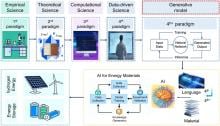
Discovering the materials needed for cleaner energy technologies has long been a slow process - but AI could change that. Researchers at Tohoku University have developed a closed-loop AI framework that continuously learns from experiments to identify promising energy materials faster and at lower cost. The approach could accelerate the development of next-generation batteries, hydrogen storage and other low-carbon technologies.

22 Jul 2026
Newcastle University in Singapore
A plant enzyme recovered collagen from lambskin trimmings at higher yield than acid or pepsin extraction while preserving its structure.
22 Jul 2026
Tohoku University
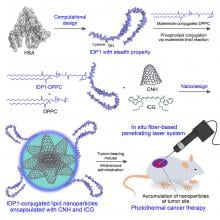
Photothermal therapy is a cancer treatment option lacking the negative side effects associated with chemotherapy. Near-infrared laser light selectively heats and destroys cancer cells. However, two issues have stopped this less invasive treatment from becoming mainstream. Scientists have long sought to find a way to prevent nanoparticle clearance - where the immune system clears the nanoparticles carrying therapeutic agents before they can reach tumors - and better laser efficacy so it can reach deeper tumors. Now, a research team has overcome these challenges.

22 Jul 2026
Osaka Metropolitan University
AI learns from captains instead of calculations in Japan’s trickiest sea
22 Jul 2026
Singapore University of Technology and Design
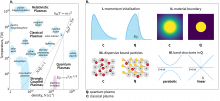
New framework enables researchers to model how light and electrons interact in metals, semiconductors and two-dimensional materials, paving the way for faster development of advanced chips, optical technologies and quantum devices.
22 Jul 2026
Tohoku University
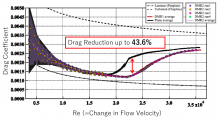
Logically, you would think a sleek surface has optimal aerodynamics – but recent research at Tohoku University turns this fundamental principle completely on its head. Applying an irregular microscale surface texture reduced the aerodynamic drag of a test model. The innovation has potential applications for designing fuel-efficient vehicles.

21 Jul 2026
Sungkyunkwan University
Proactively predicts passengers' risky boarding behaviors with 97.58% accuracy using a single CCTV video frame
17 Jul 2026
Kanazawa University
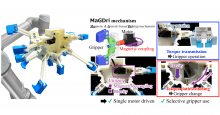
A conventional robotic hand is equipped with multiple motors or peripheral devices for grasping a wide variety of objects. This study presents a robotic hand equipped with multiple grippers that are driven by a single motor with the transmission of motor power switched via a mechanism using gravity (Magnetic and Gravity-based Driving mechanism). Thus, it provides design guidelines for a new robotic hand capable of accommodating diverse grasping actions while maintaining a relatively simple structure.
17 Jul 2026
Tohoku University
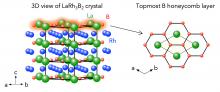
Graphene revolutionized materials science after its discovery in 2004. Its list of potential applications is long, but its use in high-temperature superconductors has been stymied by weak electron interactions. Researchers from Tohoku University have recently created a stable version of boron graphene on the surface of a three-dimensional crystal, potentially overcoming this limitation and opening a pathway toward more energy-efficient electronic devices.
17 Jul 2026
Tohoku University
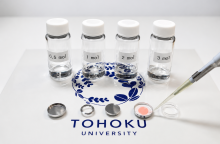
Lithium metal is a prime contender for the next generation of rechargeable batteries. But in order to live up to that potential, scientists have had to try and find a solution to the dendrite problem. Lithium tends to grow into needle-like structures (dendrites) which reduce the battery life and create safety hazards. The answer may be like the key to most things in life: balance. Researchers from Tohoku University's Institute for Materials Research (IMR) discovered that, rather than increasing the amount of lithium salt in a battery, an optimal lithium concentration allows lithium to deposit evenly and form a stronger protective layer on the battery surface.

16 Jul 2026
Asia Research News
Early rice gets the flower, Exercising against cancer, Efficient artificial photosynthesis, New “living pink rocks”, Unlocking megathrust earthquakes, Longevity protein demystified and Death gene paradox. Read all in the latest Editor's Choice.
15 Jul 2026
Institute of Industrial Science, The University of Tokyo (UTokyo-IIS)
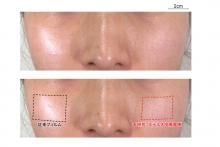
Researchers from the Institute of Industrial Science, The University of Tokyo have developed ultrathin wearable sensors that blend seamlessly into skin, reducing discomfort and distraction
15 Jul 2026
Institute of Industrial Science, The University of Tokyo (UTokyo-IIS)
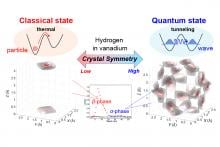
Researchers from the Institute of Industrial Science, The University of Tokyo reveal how crystal symmetry determines whether hydrogen follows the rules of quantum or classical physics

13 Jul 2026
Lingnan University
Prof Song Yongduan, Dean of the School of Data Science and Henry Y. W. Fong Chair Professor of Industrial Data Science at Lingnan University, attended the induction ceremony for International Members of the Chinese Academy of Engineering (CAE) in Beijing on 9 July, where he officially received his member plaque. The professor is one of five scientists with Hong Kong affiliations among the recently elected International Members of the CAE.

10 Jul 2026
Newcastle University in Singapore
Research comparing Dunlop and Talalay processing offers practical guidance for better natural latex foam products.

10 Jul 2026
Newcastle University in Singapore
Fly ash waste could partly replace zinc oxide in tyre tread rubber, reducing zinc release while maintaining key performance.
10 Jul 2026
Tohoku University
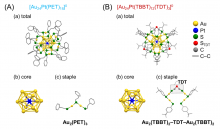
Catalysts are everywhere—from fertilizer production to clean energy—but making them more active without sacrificing stability has remained a major challenge. Researchers have now engineered a gold-platinum nanocluster catalyst that can be activated at lower temperatures while maintaining its precise atomic structure, boosting low-temperature carbon monoxide oxidation performance. Yet a clever ligand design could pave the way for more efficient and durable catalysts.

09 Jul 2026
Newcastle University in Singapore
A study shows palm oil can replace aromatic oil in natural rubber composites while supporting greener rubber products.

09 Jul 2026
Lingnan University
With Hong Kong Diploma of Secondary Education (HKDSE) results slated for release on 15 July, Lingnan University has introduced elite programmes, flexible admission arrangements, and competitive scholarships to support candidates planning their higher education. Initiatives include the inauguration of the inaugural Samuel C.C. Ting Elite Class (CCT Class), named after Nobel Prize-winning physicist Prof Samuel C.C. Ting, which chooses the best undergraduate University Entrance Scholarship students for this comprehensive learning opportunity. The new flexible admission scheme for the upcoming academic year will allow candidates who underperform in one core subject to still be considered for admission after a detailed assessment.

08 Jul 2026
Lingnan University
Jointly organised by Lingnan University and Yuanpei College of Peking University (PKU), the onsite seven-day intensive training camp (held from 2 to 8 July 2026) amid the third Lingnan-Yuanpei STEM Summer Academy concluded on the Lingnan University campus, showcasing how the next generation of Beijing-Hong Kong talents seamlessly blends cutting-edge scientific innovation with a profound humanistic spirit, and empowering student entrepreneurs to transform creative ideas into socially responsible and real-world business solutions.

07 Jul 2026
Osaka Metropolitan University
Researchers break a fundamental rule to create a new concept: heat that can be directed and “programmed”. In most materials, heat absorption and heat emission are linked, meaning a surface that absorbs thermal radiation well from a particular direction will also emit it in the same way. A team from OMU in Japan has designed a reconfigurable device that breaks this symmetry, enabling heat to be absorbed and emitted differently depending on the direction of absorption. This technology could eventually lead to smarter thermal-management systems and infrared sensors.
Events

14 Jul 2021
Intelligent Mobility 2021 will offer a platform for industry experts, thought leaders, policy makers, city planners and researchers to discuss the future of mobility, growth opportunities emerging as a result of disruptive innovation, and the potential impact of new business models.

14 Oct 2021
Taiwan Innotech Expo (TIE) is the leading invention show in Asia. The event will take place from October 14-16, 2021 at Taipei World Trade Center Hall 1.

04 Aug 2021
Broadcasting live online to you, 2 days of K-12 and Higher Education content, featuring presentations, panel discussions, and townhalls to virtually discuss the role of technology in education
26 Nov 2021
Introducing EDUtech India, a virtual festival taking place on 26-27 November to bring together the education community across India.

13 Dec 2021
The internationally renowned exhibition is the region’s professional marketplace for ideas and inventions, and is back to bring together some of the best ideas from around the world.
07 Apr 2021
Join us from 7 to 9 April 2021 at the Precision Public Health Asia 2021 Conference to find out how precision public health can improve health outcomes and equity to deliver ‘personalised’ public health.
02 Jun 2021
The SNEC 15th (2021) International Photovoltaic Power Generation and Smart Energy Conference will be held on June 2-4, 2021 in Shanghai, China.

24 Feb 2021
Over two days we’ll be broadcasting over 40 presentations and live panel debates from leading educators and edtech innovators from across Malaysia.

12 Jan 2021
Organised by the National Research Foundation – Prime Minister’s Office, Singapore, the ninth edition of the Global Young Scientists Summit (GYSS@one-north) will take place 12 to 15 January 2021 as a virtual event.

30 Nov 2020
ASIAWATER Virtual Event 2020 is the region’s leading water and wastewater expo and forum for developing Asia, bringing together leading industry players in one event.
15 Oct 2020
The Science Walden Center of South Korea's Ulsan National Institute of Science and Technology (UNIST), in collaboration with Artist Jieun Gu exhibited an art work, along the Taehwa River in Ulsan, S. Korea.
03 Nov 2020
The Singapore Centre for 3D Printing is pleased to share our first online webinar in collaboration with HP-NTU Digital Manufacturing Corporate Lab.

03 Nov 2020
Bringing you EduTECH Asia Virtual 2020, Asia’s largest Digital Festival of Education on November 3 - 6, 2020, with 2 days of pre-event Masterclasses on October 30 and November 2.

19 Oct 2020
Theme of “Energising Sustainability” through green technologies to empower climate action today explores the integrated modes between green economy solutions and its applications to the aim of achieving sustainable development goals for various global industries.

25 Jul 2020
The Singapore Science Festival (SSF) is an annual event celebrating the role that science, engineering, technology and mathematics plays in shaping our lives and sculpting
our future.

The Khwarizmi International Award (KIA) acknowledges the efforts made by researchers, innovators and inventors from across the globe and to appreciate their high quality research work and contributions to different fields of science and technology.

05 Aug 2020
In collaboration with EmTech Asia, SGInnovate is holding a forum for clinicians and scientists residing in Singapore who are looking to commercialise their research in the fields of Human Health, Urban Sustainability and Supply Chain & Logistics.

22 Mar 2021
Rethinking education in the new normal. Future EdTech 2021 brings you this perfect opportunity to meet thousands of educators from primary education to universities.

22 Mar 2021
A strong advocate of creativity and development of innovations, MTE acts as a catalyst to create synergy between entrepreneurs and the science and technology communities to work together towards global partnerships.

08 Jul 2020
This program has identified many outstanding companies from the Automotive, Energy, Building & Environment industries to the Healthcare, Information Communication Technologies and Logistics sectors in Asia Pacific.

08 Sep 2020
Connecting Industry with Academia.

24 Sep 2020
Taiwan Innotech Expo (TIE) is the biggest invention show in Asia, It will take place in Taipei World Trade Center Hall 1 from Sep. 24 to Sep. 26, 2020

19 Aug 2020
The annual gathering of 220+ Savvy Marketers, as well as senior level professionals from Technology, Digital, Strategy & Innovation fields.
09 Mar 2020
Find the right UM startup partner for your next business during UM Startup Co-Founder Search Day 9th March 2020.

03 Jun 2020
An important message from the organisers - due to the escalating situation globally, Innovfest Unbound will no longer be taking place on 3-4 June 2020.

09 Dec 2020
Singapore's long-running Pharmaceutical Manufacturing Industry learning and networking event, featuring a stellar profile of C-suite experts and firms.

03 Nov 2020
Your go-to event to reach out to key decision makers in the pharmaceutical industry. The event will be delivered digitally from 3-5 November 2020.

17 Jul 2020
Asia’s annual premier healthcare platform CAREhab 2020 and conference element 6th Singapore Rehabilitation Conference, will now be held online on the 17 – 18 July 2020.

14 Oct 2020
Asia Pacific is the fastest growing global region for the identity market. Identity Week Asia is a world-class virtual event, to help create a more secure world, through the implementation of trusted identity solutions. FREE PASS available for Asia Research News readers!

26 Nov 2019
Interactive talk at the Singapore Science Centre, 26 November 2019, 2.30pm to 3.30pm
Researchers

Universiti Malaysia Sabah
Dr. Connie Cassy Ompok is an early childhood education expert and a Senior Lecturer at the Faculty of Psychology and Education, Universiti Malaysia Sabah. She Started her career in Early Childhood Education as a preschool teacher (2004-2007), a lecturer in early childhood education at the Malaysian Institute of Teacher Education (2008-2016) before serving as a Senior Lecturer in Early Childhood Education at UMS (2016 until now).
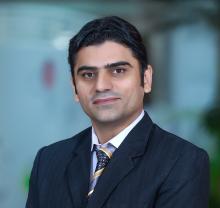
Dr. A. Ahmad obtained his BS, MSc, and PhD degrees in Biotechnology and Chemical Engineering, respectively. Dr. Ahmad's areas of expertise include algal engineering for bioenergy production, environmental remediation, dark fermentation, and biochemicals, CO2 mitigation, industrial wastewater treatment, and heavy metals biosorption. Ahmad has worked on several projects using integrated microalgal engineering in industrial wastewater. Dr. Ahmad has published over 35 articles in peer-reviewed journals and conference proceedings and generated significant research interest. He serves as a reviewer for more than ten scientific journals.

Currently a research assistant in the laboratory of green energy in Zhejiang University of Technology.
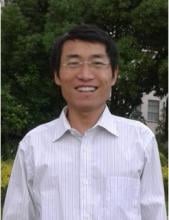
Fei Zhuge is a professor at Ningbo Institute of Materials Technology and Engineering (NIMTE), Chinese Academy of Sciences (CAS).

City University of Hong Kong (CityUHK)
Yajing Shen is an engineer at City University of Hong Kong (CityU). He is interested in the research at the interface of micro-nano engineering and biology. The current research focuses on the bioinspired robot, micro/nano robot, and biomedical robot.
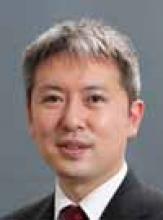
Assoc Prof Yuki Nagao is a materials scientist at the School of Materials Science, Japan Advanced Institute of Science and Technology.

National Institute for Materials Science (NIMS)
Dr Ryota Tamate is a materials scientist at the Center for Green Research on Energy and Environmental Materials, National Institute for Materials Science, Japan.

The Chinese University of Hong Kong (CUHK)
Sen Yang is a physicist at the Department of Physics, The Chinese University of Hong Kong.

Nagoya University
Yukikazu Takeoka is a materials engineer at the Department of Molecular Design & Engineering at Nagoya University, Japan.
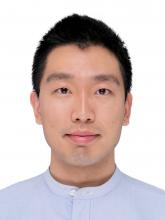
Dr Ye Zhou is an electronic engineer at the Institute for Advanced Study, Shenzhen University, China.

Roland Hany is a Group Leader at Empa, Swiss Federal Laboratories for Materials Science and Technology.

Atsufumi Hirohata is a professor at the Center for Science and Innovation in Spintronics in Tohoku University, Sendai, Japan , and has over 25 years of experience in spintronics, ranging from magnetic-domain imaging to spin-current interference.

A Tenured Professor at the Institute of Space Technology (Pakistan), Dr. Shabbir is working on Polymer based Nanomaterials for food safety, nano-drug delivery systems, water treatment, solar cells and carbon dioxide capture.

Nanyang Technological University
Currently, Xuejiao Zhao is a Wallenberg-NTU Presidential Postdoctoral Fellow (PPF) at the LILY Research Centre, Nanyang Technological University (NTU), Singapore, working with Prof. Chunyan Miao. Her research interests are AI in Healthcare, Large Language Models, Knowledge Graphs, and Human-Computer Interaction.
She spent her first year of PPF in RPL, KTH Royal Institute of Technology working with Prof. Danica Kragic.
She obtained her DPhil (i.e. PhD) in the School of Computer Science and Engineering at NTU under the supervision of Prof. Chunyan Miao and Prof. Zhenchang Xing.

Nanyang Technological University
Hortense is Professor at the Schools of Mechanical and Aerospace Engineering and Materials Science and Engineering at Nanyang Technological University, Singapore. She develops sustainable manufacturing of high performance materials.
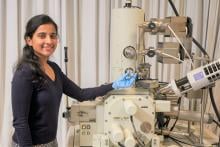
Nanyang Technological University
Dr. Sravya Tekumalla is currently a Principal Investigator in Nanyang Technological University, Singapore, where she works as a Presidential Postdoctoral Fellow. In addition, she also leads a small team of staff and students working in the domain of metal additive manufacturing (commonly known as 3D printing).
Prof Yow is the Head of the Humanities, Arts and Social Sciences at Singapore University of Technology and Design (SUTD) and leads the SUTD Language and Social Cognition Lab where they look at how language impacts on our cognitive functioning and understanding of the social world. Her research focuses on exploring and studying patterns of dual language use, how language environment may influence how children perceive communicative cues and how technology influences the way we communicate, and how it can be harnessed in ways that can improve or slow down the decline of cognition and social cognition.

Assoc Prof Tan leads the Photonics Devices and Systems Group at Singapore University of Technology and Design (SUTD). Her interest lies in experimental optical physics, pertaining to the study of both nonlinear and linear optical phenomena, nanophotonics and quantum optics. One of the potential applications of her research is enhancing the transmission of data via the Internet by improving reliability and lowering costs.

Dorien Herremans is an Assistant Professor at SUTD, where she is also Director of Game Lab. Her research interests include machine learning and music for automatic music generation, data mining for music classification (hit prediction) and novel applications in the intersections of machine learning/optimization and domains such as digital music and stock market prediction.
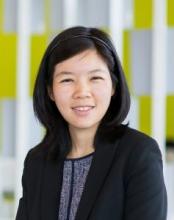
Associate Professor Lynette Cheah leads the Sustainable Urban Mobility research group at SUTD, which develops data-driven models and tools to reduce the environmental impacts of passenger and urban freight transport. Her expertise is in transport modelling and simulation, life-cycle energy and environmental assessments (LCA) of products and systems, and urban metabolism. She is a Fellow with the Martin Family Society for Sustainability, winner of the Singapore Challenge Prize in the Global Young Scientists Summit 2013, and is currently serving as a Review Editor for the UN IPCC’s Sixth Assessment Report.
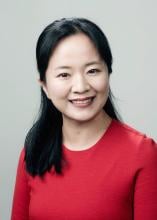
Assoc Prof Yang and her research team from SUTD conducts research into water desalination as well as energy storage simultaneously. She developed a low dimensional nanomaterial to desalinate ocean water using a process of hybrid capacitive deionization. This process, allows for the processing of desalinated water more efficiently while also providing low-cost energy storage.

Duke-NUS Medical School
Eric Finkelstein is a Professor of the Programme in Health Services & Systems Research and the Executive Director of the Lien Centre for Palliative Care at the Duke-NUS Medical School, Singapore. He also holds appointments at NUS School of Public Health and Duke University Global Health Institute.
De La Salle University
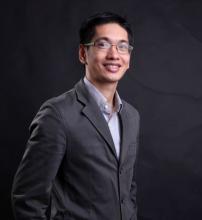
Michael Angelo B. Promentilla is a Professor of Chemical Engineering and the head of the Waste and Resource Management Unit of the Center for Engineering and Sustainable Development Research (CESDR) at De La Salle University (DLSU).
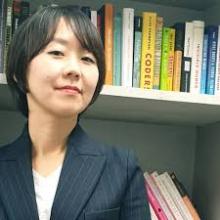
So Yeon Leem is a professor at Sookmyung Women’s University, South Korea, and an expert in Women in STEM and cosmetic surgery practices in the country.

The Chinese University of Hong Kong (CUHK)
Helen Meng is a Patrick Huen Wing Ming professor of the Department of Systems Engineering and Engineering Management, The Chinese University of Hong Kong.

Hira Khalid is an associate professor at the Department of Chemistry of Forman Christian College University, Lahore, Pakistan.

Tohoku University
Director of Tohoku University's Tough Cyberphysical AI Research Center and expert in rescue robotics.

Tohoku University
Director of the International Research Institute of Disaster Science (IRIDeS) at Tohoku University since April 2014, and also is a professor of Tsunami Engineering

Tohoku University
Tetsuo Endoh is a professor and the director of Center for Innovative Integrated Electronic Systems (CIES), Tohoku University, Japan.
Giants in history

Turkish astrophysicist Dilhan Eryurt (29 November 1926 – 13 September 2012) conducted research on how the sun affects environmental conditions on the moon.
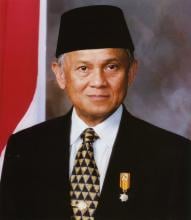
Bacharuddin Jusuf Habibie (25 June 1936 – 11 September 2019) was an Indonesian engineer who was President of Indonesia from 1998 to 1999.

Physicist Narinder Singh Kapany (31 October 1926 – 4 December 2020) pioneered the use of optical fibres to transmit images, and founded several optical technology companies. Born in Punjab, India, he worked at a local optical instruments factory before moving to London for PhD studies at Imperial College. There, he devised a flexible fibrescope to convey images along bundles of glass fibres.

Sir Mokshagundam Srinivasa Shastry Vishveshwarayya (15 September 1860 – 14 April 1962) is widely regarded as India’s most outstanding engineer. In a career that spanned almost his entire life, Vishveshwarayya played a pivotal role in several engineering projects, including designing the Krishnarajasagara dam that is still the source of irrigation and drinking water for parts of Karnataka today.

Fazlur Rahman Khan (3 April 1929 – 27 March 1982) was a Bangladeshi-American structural engineer and architect who invented the tube principle, which formed the basis for modern skyscraper design.
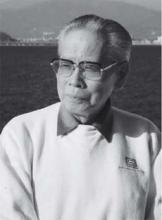
A Japanese surgeon, Tetsuzo Akutsu (20 August 1922 – 9 August 2007) built the first artificial heart capable of keeping an animal alive.

Lin Lanying (7 February 1918 – 4 March 2003) was a Chinese material engineer remembered for her contributions to the field of semiconductor and aerospace materials. Lanying was born into a family who did not believe in educating girls and she was not allowed to go to school.

Gregorio Y. Zara (8 March 1902 – 15 October 1978) was a Filipino engineer and physicist best remembered for inventing the first two-way video telephone. Zara’s video telephone invention enabled the caller and recipient to see each other while conversing, laying the foundation for video-conferencing