

Science
News
01 Dec 2022
Asia Research News
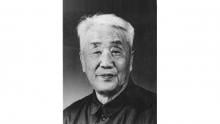
Giants in History: Chinese palaeontologist, archaeologist and anthropologist Pei Wenzhong (January 19, 1904 – September 18, 1982) is regarded as a founder of Chinese anthropology.
30 Nov 2022
Osaka Metropolitan University
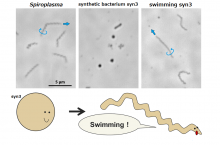
Osaka Metropolitan University researchers introduced seven proteins, thought to let bacteria swim by switching the direction that their helical bodies spiral, into a strain of synthetic bacterium with minimal genetic information. As a result, they confirmed that the synthetic bacterium named syn3, which is normally spherical, formed a helix that could swim by spiraling. Further investigation revealed that only two of these newly added proteins were required to make syn3 capable of minimal swimming. This swimming synthetic bacterium can be said to be the smallest mobile lifeform genetically, as it contains the fewest number of genes.
29 Nov 2022
Osaka Metropolitan University
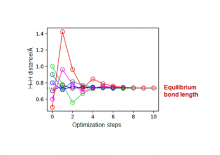
Using a quantum computer, Osaka Metropolitan University researchers utilized quantum logic circuits to directly calculate, in a single calculation, the energy difference between two molecular geometries. The developed method was then applied to execute the molecular geometry optimization of typical molecular systems. On a classical computer, calculations based on the finite difference method require at least two evaluations of the energy for one-dimensional systems, but previous research has shown that a quantum computer can be used to calculate the energy derivatives based on this method in a single calculation. However, quantum circuits relevant to quantum algorithms capable of performing the energy derivative calculations had not been implemented. The research group has successfully created a quantum circuit to calculate the energy derivatives by modifying the quantum circuit used in the previously developed quantum phase difference estimation algorithm.
28 Nov 2022
Hokkaido University
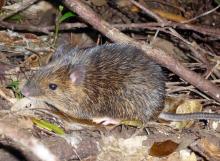
The Sox9 gene is upregulated in the absence of sex-determining Y chromosome and Sry gene in Amami spiny rat.
28 Nov 2022
Osaka Metropolitan University
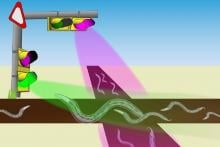
A research group at the Osaka Metropolitan University Graduate School of Science has revealed a new system that allows them to control the behavior of the nematode worm Caenorhabditis elegans, using two different animal opsins, a type of light-sensitive protein. The first opsin was expressed in the worms’ sensory cells responsible for triggering avoidance behavior, making the worms move. This opsin was found to be approximately 7,000 times more sensitive to white light than the commonly used optogenetic protein channelrhodopsin-2. Likewise, a UV-sensitive opsin was expressed in the worms’ motor neurons, causing the worms to stop when exposed to UV light and start moving again when exposed to green light. Both opsins tested can be switched on and off repeatedly without breaking down, making them robust tools for future research, including the field of drug discovery.
28 Nov 2022
Hong Kong Baptist University (HKBU)
A Hong Kong Baptist University (HKBU) collaborative research team has synthesised a nanoparticle named TRZD that can perform the dual function of diagnosing and treating glioma in the brain. It emits persistent luminescence for the diagnostic imaging of glioma tissues in vivo and inhibits the growth of tumour cells by aiding the targeted delivery of chemotherapy drugs. The nanoparticle offers hope for the early diagnosis and treatment of glioma, especially cerebellar glioma, which is even harder to detect and cure with existing methods.
28 Nov 2022
Tohoku University
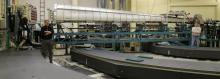
We don’t know much about the Earth’s inner core because recreating its conditions in a laboratory setting remains fraught with difficulties. Based on tracking seismic waves, scientists theorize that the area in and around the core comprises mostly of iron. But the values extracted from these indicators differ from how pure iron typically behaves. Now, a collaborative research group has succeeded, for the first time, in measuring the speed of sound of pure iron under pressures similar to the Earth’s inner core boundary.
24 Nov 2022
Hokkaido University
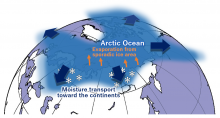
A new model explains that water evaporating from the Arctic Ocean due to a warming climate is transported south and can lead to increased snowfall in northern Eurasia in late autumn and early winter. This information will allow for more accurate predictions of severe weather events.

23 Nov 2022
Singapore University of Technology and Design
Professor Chua Chee Kai and Associate Professor Yuen Chau, from the Engineering Product Development pillar at SUTD join the list of Highly Cited Researchers™ (HCR) 2022.
21 Nov 2022
Hokkaido University
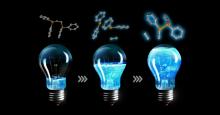
Theory-guided development of an easier, more versatile process for synthesizing unsymmetric ligands provides new avenues of exploration in transitional metal catalysis.
18 Nov 2022
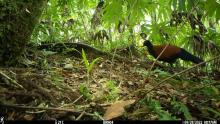
An expedition with the Search for Lost Birds captured the first-ever photos and video of the black-naped pheasant-pigeon.
18 Nov 2022
Institute of Industrial Science, The University of Tokyo (UTokyo-IIS)
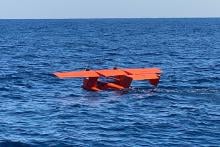
Researchers led by the Institute of Industrial Science, The University of Tokyo develop a novel method for measuring seafloor movement

18 Nov 2022
Asia Research News
Exploring virtual human-agent relationships, A fly protein gives clue for human cancers, Rare earth elements formed in neutron star mergers 💥, One-stop process for hydrogen production. Read all in the November's Editor's Choice plus Upcoming event K4DM KNOWLEDGE MARKETPLACE – Bangkok 2022: Exchanging Ideas for a Democratic Myanmar.
17 Nov 2022
The University of Osaka
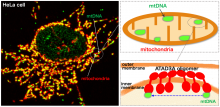
Researchers led by Osaka University have shown that a molecule known as ATAD3A is essential for the movement of genetic material inside cellular substructures called mitochondria. Appropriate distribution of this DNA, organized into “nucleoid” structures, is key for the generation of energy by the “respiratory chain” protein complex. This study opens up opportunities for developing new methods to alter nucleoid movement and affect mitochondrial function, thereby providing potential therapies against mitochondrial diseases.
17 Nov 2022
Kanazawa University
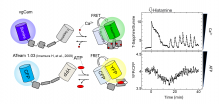
In a study recently published in the Journal of Extracellular Vesicles, researchers from Kanazawa University use high-speed microscopy to capture the dynamics of nanosized sacs released from cells.
16 Nov 2022
The University of Osaka
Researchers from SANKEN (The Institute of Scientific and Industrial Research) at Osaka University have genetically engineered a protein to emit the shortest-wavelength fluorescence light reported to date. They did this by optimizing the interactions between the fluorescence center (chromophore) and its surroundings, in a manner that differs from previous reports. The resulting fluorescence emission was bright and stable over a useful range of pH values. This work will aid basic and applied research, such as understanding the behavior of healthy and diseased cells.
14 Nov 2022
The University of Osaka
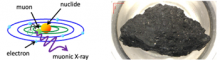
Muon non-destructive analysis of Asteroid Ryugu revealed the raw materials of solid matter at the outer regions of the early solar system. The samples contain less oxygen relative to silicon than typical CI chondrites, indicating that previous CI chondrite samples may have been contaminated by terrestrial materials, thus redefining the standard elemental composition of solid materials in the solar system.
10 Nov 2022
Hokkaido University
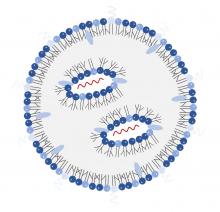
A novel branched lipid that has a high stability in storage and a high efficiency in the delivery of mRNA to cells has been developed.
10 Nov 2022
Asia Research News
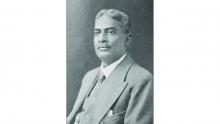
Giants in History: Indian scientist and physician Upendranath Brahmachari (19 December 1873–6 February 1946) is best known for creating a drug called Urea Stibamine, used to safely and reliably treat visceral leishmaniasis (or Kala-azar), a severe infection caused by the Leishmania parasite.
09 Nov 2022
Institute for Integrated Cell-Material Sciences (iCeMS) at Kyoto University
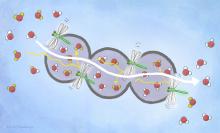
A flipping action in a porous material facilitates the passage of normal water to separate it out from heavy water.
09 Nov 2022
The University of Osaka
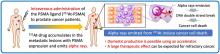
Researchers from Osaka University and Dusseldorf University have found a new theranostic compound that effectively shrinks prostate tumor in mice. Theranostics is a cancer treatment that involves finding cancer cells anywhere in the body and delivering targeted radiation to kill those cells, by drugs that contain radioactive isotopes. It means that this compound could be a promising option for treating hormone-resistant metastases in patients with recurrent cancers. This is stated to be tested in an upcoming clinical trial.
08 Nov 2022
Kanazawa University
In a study recently published in the journal Nature Biomedical Engineering, researchers from Kanazawa University use a method called “lasso-grafting” to design therapeutics with enhanced longevity and brain penetration.
08 Nov 2022
Osaka Metropolitan University
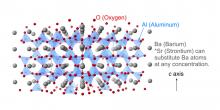
Osaka Metropolitan University scientists have discovered that, in the crystalline solid Ba1-xSrxAl2O4, a highly disordered atomic arrangement is formed in the AlO4 network at chemical compositions near the structural quantum critical point, resulting in characteristics of both crystalline and amorphous materials. This hybrid state, which the research team was the first to discover, can be created simply by mixing raw materials uniformly and heating them. These findings are expected to help with the development of hybrid materials for use in harsh environments, such as outer space, by applying the technique to a variety of materials.

07 Nov 2022
Focusing on the imperative of integrating science, policy and clinical practice to advance global One Health movement especially in the aftermath of COVID-19, the Congress will feature sharing by leading global scientists and policymakers on ways to address complex global health challenges.
03 Nov 2022
The University of Osaka
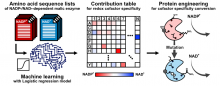
Researchers from Osaka University have demonstrated a proof-of-concept for a novel use of artificial intelligence for enzyme engineering that does not require an enzyme’s crystal structure. By analyzing the amino acid sequences of malic enzymes from various living organisms, the researchers identified the amino acids that are pertinent to using different redox cofactors. The results of this work will facilitate retooling enzymes in research laboratories and the biotech industry.
03 Nov 2022
Asia Research News
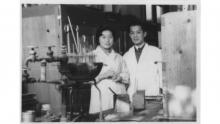
Giants in History: Tsuneko (1933) and Reiji Okazaki ( 1930 – 1975)were a Japanese couple who discovered Okazaki fragments – short sequences of DNA that are synthesized during DNA replication and linked together to form a continuous strand.
01 Nov 2022
Kanazawa University
6th NanoLSI Symposium: International symposium on Nanoprobe Technology for Understanding Molecular Systems in Kanazawa, Japan
01 Nov 2022
Osaka Metropolitan University
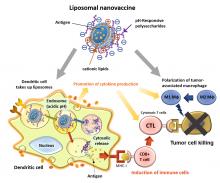
A research group at Osaka Metropolitan University has developed a drug delivery system that activates a strong cellular immune response to attack cancer cells, using one-tenth of the amount of antigen needed in the group’s previous work. By incorporating positively charged cationic lipids into liposomes and adding negatively charged pH-responsive polysaccharides to the surface, the research group increased the uptake efficiency of liposomes encapsulating cancer antigens by dendritic cells by approximately five times, which increased cytokine production by about 100 times. This increased M1-type macrophages, which activate cancer immunity, and decreased M2-type macrophages, which promote cancer growth.
31 Oct 2022
Duke-NUS Medical School
While both protect from severe disease, inactivated SARS-CoV-2 and spike mRNA vaccines trigger different T-cell responses.

31 Oct 2022
Call To Action urges G20 member countries and partners to mobilize adequate resources to close the TB funding gap and save lives.
Giants in history

Chinese-American physicist Tsung-Dao Lee (24 November 1926 – 4 August 2024) was awarded the Nobel Prize for Physics in 1957 together with Chen-Ning Yang for their work challenging the symmetry law in subatomic particles. They were the first Chinese Nobel prize winners, with Lee becoming the second-youngest laureate. Born in Shanghai, he went to the United States on scholarship and studied under another Nobel winner, Enrico Fermi.

Turkish astrophysicist Dilhan Eryurt (29 November 1926 – 13 September 2012) conducted research on how the sun affects environmental conditions on the moon.
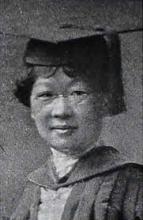
Chinese biochemist Chi Che Wang (1894 - 1979), one of the first Chinese women to study abroad, advanced to prominent research positions at American institutions including the University of Chicago and the Northwestern University Medical School.
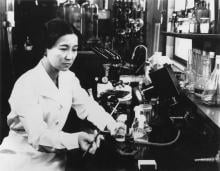
Ruby Sakae Hirose (1904 – 1960) was a Japanese-American scientist whose research contributed significantly to our understanding of blood clotting, allergies and cancer.
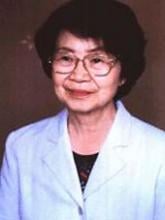
Chinese electron microscopy specialist Li Fanghua (6 January 1932 – 24 January 2020) facilitated the high-resolution imaging of crystal structures by eliminating interference.
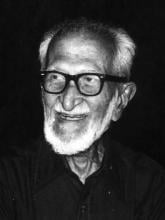
Sálim Moizuddin Abdul Ali (12 November 1896 – 20 June 1987), commonly referred to as the Birdman of India, was the first person to conduct systematic surveys of birds from across India.
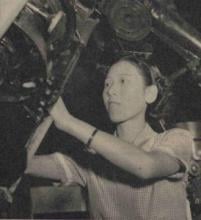
Haisako Koyama (1916 – 1997) was a Japanese solar observer whose dedication to recording sunspots – cooler parts of the sun’s surface that appear dark – produced a sunspot record of historic importance.
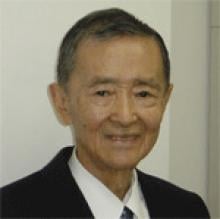
Michiaki Takahashi (17 February 1928 – 16 December 2013) was a Japanese virologist who developed the first chickenpox vaccine.
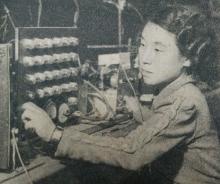
Toshiko Yuasa (11 December 1909 – 1 February 1980) was the first Japanese female physicist whose research on radioactivity shed light on beta decay – the process in which an atom emits a beta particle (electron) and turns into a different element.

Angelita Castro Kelly (1942-2015) was the first female Mission Operations Manager (MOM) of NASA. She spearheaded and supervised the Earth Observing System missions during its developmental stage.
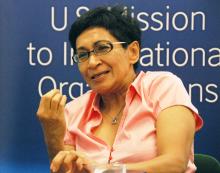
Malaysia’s first astrophysicist, Mazlan binti Othman (born 11 December 1951) was instrumental in launching the country’s first microsatellite, and in sending Malaysia’s first astronaut, Sheikh Muszaphar Shukor, into space.

Bibha Chowdhuri (1913 – 2 June 1991) was an Indian physicist who researched on particle physics and cosmic rays. In 1936, she was the only female to complete a M.Sc. degree at the University of Calcutta.
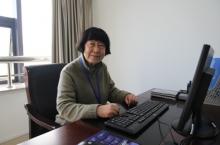
Meemann Chang (born 17 April 1936) is a Chinese palaeontologist who studied the fossils of ancient fish to understand the evolution of life. By examining fossils, she uncovered new insights on how vertebrates, animals with a backbone, migrated from the sea and became adapted to live on land.
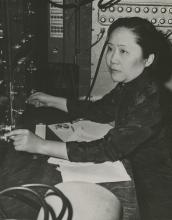
Chien-Shiung Wu (31 May 1912 – 16 February 1997) was an experimental physicist who made several important contributions to nuclear physics. Wu worked on the Manhattan Project – a top-secret program for the production of nuclear weapons during World War II and helped to develop a process for separating uranium into U235 and U238.
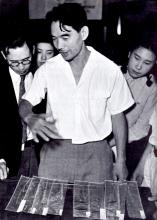
Hitoshi Kihara (1893 – 1986) was one of the most famous Japanese geneticists of the 20th century. One of his most significant contributions was identifying sex chromosomes (X and Y) in flowering plants.
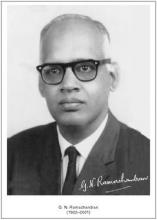
Gopalasamudram Narayanan Ramachandran (8 October 1922 – 7 April 2001) is best known for developing the Ramachandran plot to understand the structure of short chains of amino acids, known as peptides.
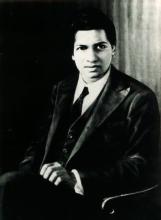
Srinivasa Ramanujan (22 December 1887 – 26 April 1920) was a math prodigy and widely considered one of India’s greatest mathematicians. Despite having almost no formal training in mathematics, he made substantial contributions to mathematical analysis, number theory, infinite series and continued fractions.
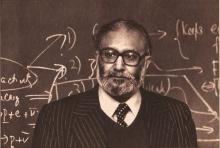
Mohammad Abdus Salam (29 January 1926 – 21 November 1996) was a theoretical physicist and the first Pakistani to receive a Nobel Prize in science.
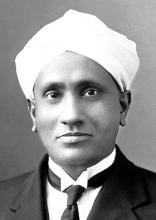
Sir Chandrasekhara Venkata Raman (7 November 1888 – 21 November 1970) was an Indian physicist who performed ground-breaking research in the field of light-scattering.
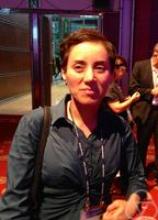
Mathematician Maryam Mirzakhani (12 May 1977 – 14 July 2017) was the first and only woman and Iranian to date to win the Fields Medal in 2014 for her work on curved surfaces.
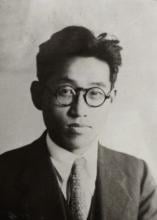
Joo-myung Seok (November 13, 1908 – October 6, 1950) was a Korean butterfly entomologist who made important contributions to the taxonomy of the native butterfly species in Korea.
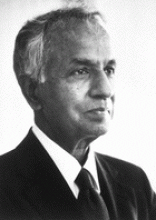
Subrahmanyan Chandrasekhar (19 October 1910 – 21 August 1995) was an Indian astrophysicist who studied the structure and evolution of stars.
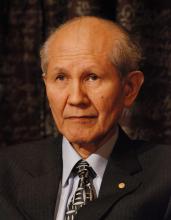
Osamu Shimomura (27 August 1928 – 19 October 2018) was a Japanese organic chemist and marine biologist who dedicated his career to understanding how organisms emitted light.
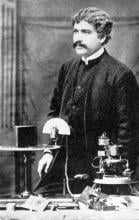
Sir Jagadish Chandra Bose (30 November 1858 – 23 November 1937) was a scientist and inventor who contributed to a wide range of scientific fields such as physics, botany and biology.
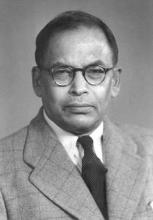
Meghnad Saha (6 October 1893 – 16 February 1956) was an Indian astrophysicist best known for formulating the Saha ionization equation which describes the chemical and physical properties of stars.
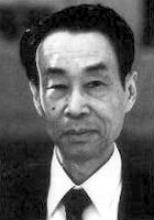
Motoo Kimura (13 November 1924 – 13 November 1994) was a Japanese theoretical population geneticist who is best remembered for developing the neutral theory of molecular evolution.

Chika Kuroda (24 March 1884 – 8 November 1968) was a Japanese chemist whose research focussed on the structures of natural pigments.
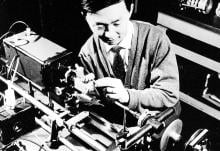
Charles Kuen Kao (Nov. 4, 1933 to Sept. 23, 2018) was an engineer who is regarded as the father of fibre optics. His work in the 1960s on long distance signal transmission using very pure glass fibres revolutionized telecommunications, enabling innovations such as the Internet.
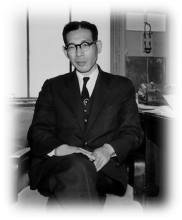
The field of solid-state ionics originated in Europe, but Takehiko Takahashi of Nagoya University in Japan was the first to coin the term ‘solid ionics’ in 1967. ‘Solid-state ionics’ first appeared in 1971 in another of his papers, and was likely a play on ‘solid-state electronics’, another rapidly growing field at the time.
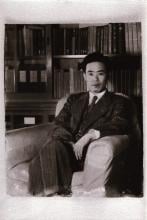
Japanese physicist Ukichiro Nakaya (1900-1962) made the world’s first artificial snowflakes. He started his research on snow crystals in the early 1930s at Hokkaido University, where there is an unlimited supply of natural snow in winter. By taking over 3,000 photographs, he established a classification of natural snow crystals and described their relationship with weather conditions.
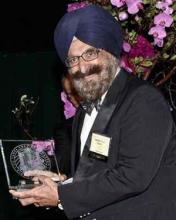
Physicist Narinder Singh Kapany (31 October 1926 – 4 December 2020) pioneered the use of optical fibres to transmit images, and founded several optical technology companies. Born in Punjab, India, he worked at a local optical instruments factory before moving to London for PhD studies at Imperial College. There, he devised a flexible fibrescope to convey images along bundles of glass fibres.
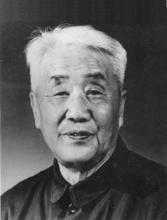
Chinese palaeontologist, archaeologist and anthropologist Pei Wenzhong (January 19, 1904 – September 18, 1982) is regarded as a founder of Chinese anthropology.
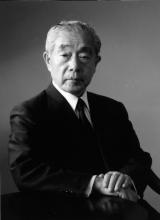
Japanese chemist Kenichi Fukui (4 October 1918 – 9 January 1998) was the first Asian scientist to be awarded the Nobel Prize in Chemistry. Together with Roald Hoffman, he received this honour in 1981 for his independent research into the mechanisms of chemical reactions.
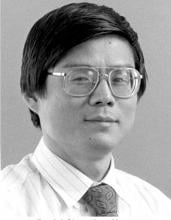
South Korean theoretical physicist Daniel Chonghan Hong (3 March 1956 – 6 July 2002) achieved fame in the public sphere through his research into the physics of popcorn.
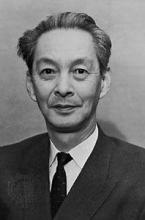
Shinichiro Tomonaga (31 March 1906 – 8 July 1979), together with Richard Feynman and Julian Schwinger, was awarded the Nobel Prize in Physics in 1965, for their contributions to advance the field of quantum electrodynamics. Tomonaga was also a strong proponent of peace, who actively campaigned against the proliferation of nuclear weapons and promoted the peaceful use of nuclear energy.
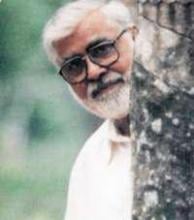
Known as Mr. Natural Rubber, chemist and researcher B. C. Shekhar (17 November 1929 – 6 September 2006) introduced a number of technical innovations that helped put Malaysia’s natural rubber industry on the world map.

Lin Lanying (7 February 1918 – 4 March 2003) was a Chinese material engineer remembered for her contributions to the field of semiconductor and aerospace materials. Lanying was born into a family who did not believe in educating girls and she was not allowed to go to school.
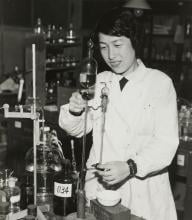
Japanese geochemist Katsuko Saruhashi developed the first method and tools for measuring carbon dioxide in seawater