

Science
News
28 Oct 2022
Osaka Metropolitan University
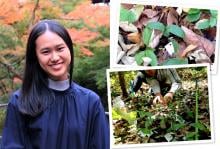
Osaka Metropolitan University scientists conducted a 7-year study on seedling recruitment and mortality in a national park in Chiang Mai, in northern Thailand. During the study period, an extremely strong El Niño event occurred, leading to a stronger and longer drought than normal. Seasonally dry tropical forests (SDTFs), which experience an annual dry season, are considered drought-tolerant. Nevertheless, the study found that seedling mortality increased in SDTFs when severe and prolonged drought occurred. The mortality rate was greater in evergreen forests at higher elevations that usually experience less severe drought than in deciduous forests at lower elevations where severe drought is more common. The study results advance the understanding of the effects of El Niño on seedling dynamics in SDTFs.
27 Oct 2022
Asia Research News
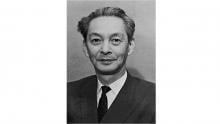
Giants in History: Shinichiro Tomonaga (31 March 1906 – 8 July 1979), together with Richard Feynman and Julian Schwinger, was awarded the Nobel Prize in Physics in 1965, for their contributions to advance the field of quantum electrodynamics.
27 Oct 2022
The Education University of Hong Kong (EdUHK)
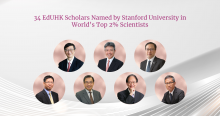
Thirty-four scholars of The Education University of Hong Kong (EdUHK) were named among the top 2% most-cited scientists in the world, in an annual list released by Stanford University.

25 Oct 2022
The University of Osaka
Researchers from The Institute of Scientific and Industrial Research (SANKEN) at Osaka University and collaborating partners prepared hierarchical hydrogels and moldings that consisted of anisotropic, ecofriendly cellulose nanofibers. By simply tailoring the applied voltage during fabrication, complex architectures—such as microneedles and multilayer hydrogels—were easy to prepare. The results of this work will reduce the need for petroleum-based plastics, and in so doing minimize a long-standing source of environmentally persistent waste.

25 Oct 2022
Asia Research News
Small neighboring galaxy filled with dark matter detected with gamma rays, How a virus induces heart inflammation, Shedding light on the happy hormone, Microfossils may hold key evolution clues. Read all in the October's Editor's Choice plus Upcoming event KNOWLEDGE MARKETPLACE – Bangkok 2022: Exchanging of ideas for a Democratic Myanmar.
25 Oct 2022
Hokkaido University
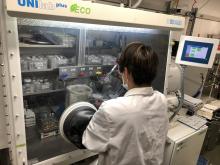
Making complex polymers with precisely controlled structures becomes much simpler thanks to a new ‘one-pot-and-one-step’ synthesis procedure.
24 Oct 2022
Hokkaido University
Investigations in Japan have uncovered some molecular mechanisms behind mitochondrial dysfunction in chronic heart failure.
21 Oct 2022
Osaka Metropolitan University
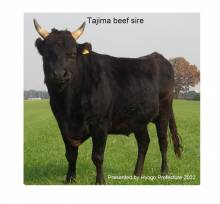
An Osaka Metropolitan University researcher has provided a review article regarding INSL3, a circulating hormone secreted from the gonads, in domestic animals, in comparison to rodents and humans. In this review article, the author describes his research group’s work that (1) developed immunoassays, for the first time, that can measure circulating INSL3 in multiple domestic mammals, including cattle, goats, sheep, pigs, horses, and dogs, (2) provided evidence in studies with bulls and bucks that INSL3 offers more reliable and stable values by a single blood collection than testosterone, a conventional and well-known testicular hormone, and (3) suggested that blood INSL3 concentrations would be a good biomarker for testicular and reproductive functions in normal and abnormal male domestic animals. These findings suggest that the INSL3 assay might simplify the evaluation of reproductive functions in various male domestic animals. In particular, the assay method may facilitate earlier selection of valuable male animals such as beef sire bulls (Image) with higher reproductive performance, contributing to reductions in the labor and costs required for sire production.

20 Oct 2022
The University of Osaka
Osaka University researchers showed that the predictions of Einstein’s theory of special relativity in electromagnetism could be detected in the contraction of the electric field created by ultrafast electrons. By achieving femtosecond resolution, they were able to visualize the contracted electric field for the first time. This work can be applicable to particle accelerators and high-energy physics.
20 Oct 2022
Osaka Metropolitan University
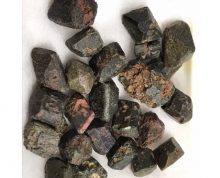
Pyroxenes are a major group of rock-forming minerals. Osaka Metropolitan University scientists investigated the iron ion status of a calcium-rich pyroxene, using Mössbauer spectroscopy on thin sections of single crystals. The study revealed that in pyroxene crystals consisting of roughly 50% calcium, the tensor that determines the ratios of iron ions at the Mössbauer spectral peaks in the M1 sites—one of two types of cation positions in the pyroxene crystal structure—is independent of the iron content but dependent on the calcium content. The research findings have clarified one of the physical properties of pyroxenes, facilitating detailed future analysis of iron using Mössbauer spectroscopy on mineral flakes.

20 Oct 2022
Asia Research News
Giants in History: Maharani Chakravorty (1937 – 2015) was one of India’s earliest molecular biologists whose research paved the way for advances in the treatment of bacterial and viral infections.
20 Oct 2022
Duke-NUS Medical School
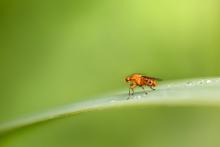
New insights into the role of a protein in the nerve cells of flies could help unravel the role of a related human protein in common cancers.
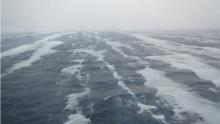
19 Oct 2022
Hokkaido University
Scientists have uncovered new details of how ice forming below the ocean surface in Antarctica provides cold dense water that sinks to the seabed in an important aspect of global water circulation.
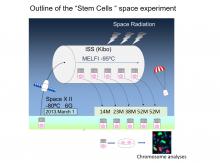
19 Oct 2022
Osaka Metropolitan University
A long-term experiment aboard the International Space Station has tested the effect of space radiation on mouse embryonic stem cells. Their findings will contribute to helping scientists better assess the safety and risks related to space radiation for future human space flights. The findings are published in the journal Heliyon.
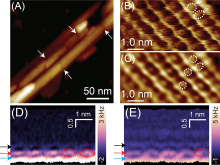
17 Oct 2022
Kanazawa University
Chemists in Japan, Canada and Europe have uncovered flaws in the surface structure of cellulose nanocrystals—an important step toward deconstructing cellulose to produce renewable nano-materials relevant to biochemical products, energy solutions, and biofuels.
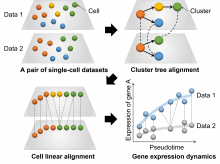
17 Oct 2022
The University of Osaka
Researchers from Osaka University have developed a computational analysis tool called CAPITAL for comparative analysis of single-cell RNA sequencing data with complicated branching trajectories. As cells undergo a dynamic process, they can be placed on a “pseudotime trajectory” to analyze the gene expression changes throughout the process. While previously only straightforward linear trajectories could be compared, CAPITAL is proven to be able to accurately compare branching trajectories, significantly advancing the field of high-throughput single-cell sequencing.
14 Oct 2022
The University of Osaka
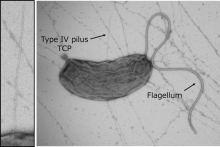
Researchers from Osaka University have found that the Vibrio cholerae colonization factor TcpF forms a flower-shaped trimer to specifically bind to the minor pilus protein TcpB resulting in secretion by the type 4 pilus secretion system into the extracellular space. This finding could help lead to the development of a novel anti-adhesive drug that selectively interrupts the TcpF-TcpB interaction, which may replace antibiotics in the treatment of cholera.
14 Oct 2022
Osaka Metropolitan University
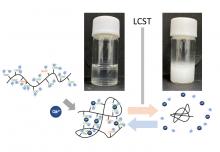
Osaka Metropolitan University scientists have created a novel thermoresponsive polymer by adding divalent cations to polymers and water solvents. They also succeeded in controlling thermoresponsive properties by changing the type and mixing ratio of ionic species. This new polymer type is expected to be applied as an analytical reagent for ion-sensing devices and as a material for drug delivery systems.
13 Oct 2022
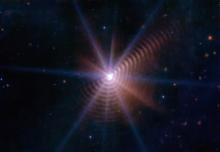
Puzzling image from the James Webb Space Telescope explained in two new studies
12 Oct 2022
The University of Osaka
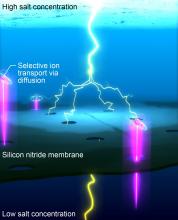
Osaka University researchers developed a power generation system based on osmotic flow of ions through a membrane riddled with tiny nanopores. By optimizing the size and distribution of the pores, the team demonstrated a way to obtain clean energy from the oceans.
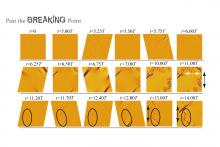
11 Oct 2022
Institute of Industrial Science, The University of Tokyo (UTokyo-IIS)
Researchers at The University of Tokyo simulated fractures in amorphous materials due to both cyclic fatigue and constant stress using course-grained dynamics, and demonstrated various failure modes, which can help improve reliability of materials
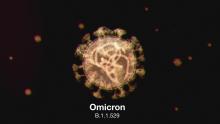
10 Oct 2022
Duke-NUS Medical School
The SARS-CoV-2 Omicron variant escapes the immune response better than its coronavirus ancestors, but has also facilitated our transition to a society that can live with COVID-19.
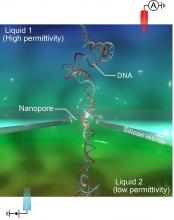
05 Oct 2022
The University of Osaka
Researchers from Osaka University and collaborating partners enhanced DNA detection in silicon nitride nanopores by means of a water–glycerol viscosity gradient. Use of common chemistry under electrochemical flow enabled straightforward detection of individual DNA molecules. With further development, the results of this work could dramatically speed up and lower the cost of genomic sequencing, and facilitate unprecedented integration with compact electronics.
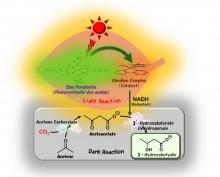
03 Oct 2022
Osaka Metropolitan University
Osaka Metropolitan University scientists have successfully synthesized 3-hydroxybutyrate, a raw material for poly-3-hydroxybutyrate (PHB)—a strong, water-insoluble, biodegradable plastic used for packaging materials—from acetone and CO2. With a visible light-driven catalytic system utilizing sunlight and two biocatalysts, the researchers achieved a high conversion yield of about 80%. Mimicking natural photosynthesis, this study artificially reproduced a light reaction involving sunlight and a dark reaction fixing CO2 to synthesize the raw material for PHB. The finding is expected to contribute to solving the plastic waste problem and to reducing CO2.
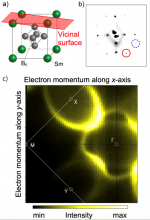
03 Oct 2022
The University of Osaka
Researchers from Osaka University revealed that the surface electronic structure of topological insulators varies according to its surface atomic structure, even though it was believed to have been protected by the symmetry of the electronic structure inside the crystal and is therefore unaffected by differences in surface atomic structure. This work offers a new means of minimizing the power consumption and increasing the speed of next-generation technology.

30 Sep 2022
Asia Research News
Asia Research News monitors the latest research news in Asia. Some highlights that caught our attention this week are an algorithm that can detect epilepsy from brain scans, the first National Robotics Tournament in Vietnam, and how being lonely or depressed can accelerate aging.
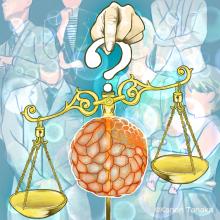
30 Sep 2022
Hiroshima University
Research performed on human blastoids, a research model of an early embryo built out of stem cells, may allow scientists to understand better what causes birth defects and lost pregnancies, and so prevent them. But such research is also ethically fraught, warn bioethicists, due to differing beliefs on whether the blastoid possesses sentience or has the potential to do so.
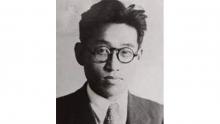
29 Sep 2022
Asia Research News
Giants in History: Joo-myung Seok (November 13, 1908 – October 6, 1950) was a Korean butterfly entomologist who made important contributions to the taxonomy of the native butterfly species in Korea.

29 Sep 2022
Asia Research News
Linked lanthanides shine light on crystal engineering, New technique reveals hidden genome, Red, white and blue alerts for dangerous bacteria & Windows gain competitive edge over global warming. Read all in the September's Editor's Choice plus this month's Asia Research News 2022 magazine pick - Floating sensors to gather ocean data.
28 Sep 2022
Reviewed Preprint authors from underrepresented backgrounds and countries with limited funding can now apply for an award to support their research and career.
Giants in history

Chinese-American physicist Tsung-Dao Lee (24 November 1926 – 4 August 2024) was awarded the Nobel Prize for Physics in 1957 together with Chen-Ning Yang for their work challenging the symmetry law in subatomic particles. They were the first Chinese Nobel prize winners, with Lee becoming the second-youngest laureate. Born in Shanghai, he went to the United States on scholarship and studied under another Nobel winner, Enrico Fermi.

Turkish astrophysicist Dilhan Eryurt (29 November 1926 – 13 September 2012) conducted research on how the sun affects environmental conditions on the moon.
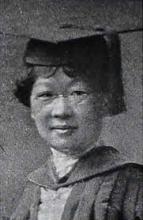
Chinese biochemist Chi Che Wang (1894 - 1979), one of the first Chinese women to study abroad, advanced to prominent research positions at American institutions including the University of Chicago and the Northwestern University Medical School.
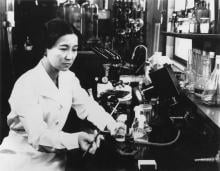
Ruby Sakae Hirose (1904 – 1960) was a Japanese-American scientist whose research contributed significantly to our understanding of blood clotting, allergies and cancer.
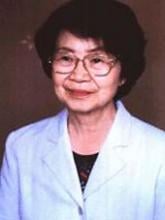
Chinese electron microscopy specialist Li Fanghua (6 January 1932 – 24 January 2020) facilitated the high-resolution imaging of crystal structures by eliminating interference.
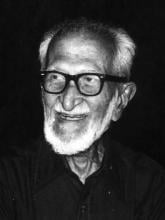
Sálim Moizuddin Abdul Ali (12 November 1896 – 20 June 1987), commonly referred to as the Birdman of India, was the first person to conduct systematic surveys of birds from across India.
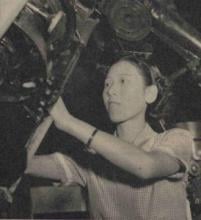
Haisako Koyama (1916 – 1997) was a Japanese solar observer whose dedication to recording sunspots – cooler parts of the sun’s surface that appear dark – produced a sunspot record of historic importance.
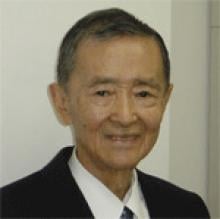
Michiaki Takahashi (17 February 1928 – 16 December 2013) was a Japanese virologist who developed the first chickenpox vaccine.
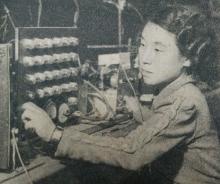
Toshiko Yuasa (11 December 1909 – 1 February 1980) was the first Japanese female physicist whose research on radioactivity shed light on beta decay – the process in which an atom emits a beta particle (electron) and turns into a different element.

Angelita Castro Kelly (1942-2015) was the first female Mission Operations Manager (MOM) of NASA. She spearheaded and supervised the Earth Observing System missions during its developmental stage.
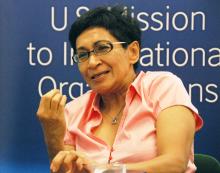
Malaysia’s first astrophysicist, Mazlan binti Othman (born 11 December 1951) was instrumental in launching the country’s first microsatellite, and in sending Malaysia’s first astronaut, Sheikh Muszaphar Shukor, into space.

Bibha Chowdhuri (1913 – 2 June 1991) was an Indian physicist who researched on particle physics and cosmic rays. In 1936, she was the only female to complete a M.Sc. degree at the University of Calcutta.
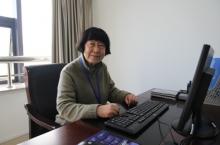
Meemann Chang (born 17 April 1936) is a Chinese palaeontologist who studied the fossils of ancient fish to understand the evolution of life. By examining fossils, she uncovered new insights on how vertebrates, animals with a backbone, migrated from the sea and became adapted to live on land.
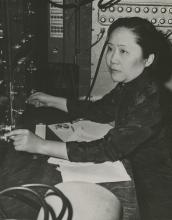
Chien-Shiung Wu (31 May 1912 – 16 February 1997) was an experimental physicist who made several important contributions to nuclear physics. Wu worked on the Manhattan Project – a top-secret program for the production of nuclear weapons during World War II and helped to develop a process for separating uranium into U235 and U238.
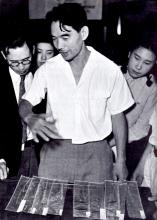
Hitoshi Kihara (1893 – 1986) was one of the most famous Japanese geneticists of the 20th century. One of his most significant contributions was identifying sex chromosomes (X and Y) in flowering plants.
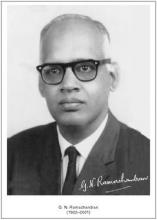
Gopalasamudram Narayanan Ramachandran (8 October 1922 – 7 April 2001) is best known for developing the Ramachandran plot to understand the structure of short chains of amino acids, known as peptides.
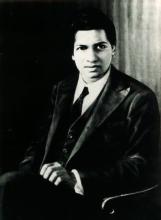
Srinivasa Ramanujan (22 December 1887 – 26 April 1920) was a math prodigy and widely considered one of India’s greatest mathematicians. Despite having almost no formal training in mathematics, he made substantial contributions to mathematical analysis, number theory, infinite series and continued fractions.
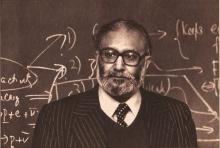
Mohammad Abdus Salam (29 January 1926 – 21 November 1996) was a theoretical physicist and the first Pakistani to receive a Nobel Prize in science.
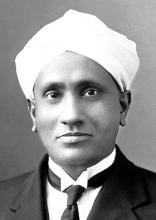
Sir Chandrasekhara Venkata Raman (7 November 1888 – 21 November 1970) was an Indian physicist who performed ground-breaking research in the field of light-scattering.
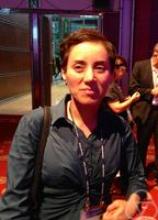
Mathematician Maryam Mirzakhani (12 May 1977 – 14 July 2017) was the first and only woman and Iranian to date to win the Fields Medal in 2014 for her work on curved surfaces.
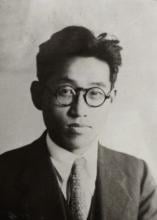
Joo-myung Seok (November 13, 1908 – October 6, 1950) was a Korean butterfly entomologist who made important contributions to the taxonomy of the native butterfly species in Korea.
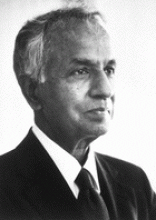
Subrahmanyan Chandrasekhar (19 October 1910 – 21 August 1995) was an Indian astrophysicist who studied the structure and evolution of stars.
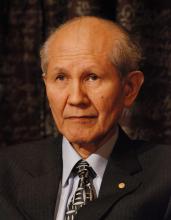
Osamu Shimomura (27 August 1928 – 19 October 2018) was a Japanese organic chemist and marine biologist who dedicated his career to understanding how organisms emitted light.
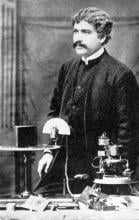
Sir Jagadish Chandra Bose (30 November 1858 – 23 November 1937) was a scientist and inventor who contributed to a wide range of scientific fields such as physics, botany and biology.
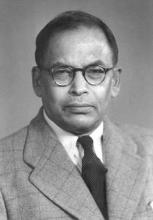
Meghnad Saha (6 October 1893 – 16 February 1956) was an Indian astrophysicist best known for formulating the Saha ionization equation which describes the chemical and physical properties of stars.
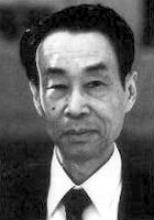
Motoo Kimura (13 November 1924 – 13 November 1994) was a Japanese theoretical population geneticist who is best remembered for developing the neutral theory of molecular evolution.

Chika Kuroda (24 March 1884 – 8 November 1968) was a Japanese chemist whose research focussed on the structures of natural pigments.
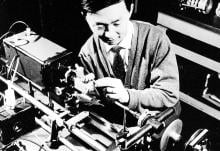
Charles Kuen Kao (Nov. 4, 1933 to Sept. 23, 2018) was an engineer who is regarded as the father of fibre optics. His work in the 1960s on long distance signal transmission using very pure glass fibres revolutionized telecommunications, enabling innovations such as the Internet.
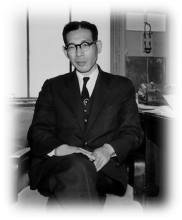
The field of solid-state ionics originated in Europe, but Takehiko Takahashi of Nagoya University in Japan was the first to coin the term ‘solid ionics’ in 1967. ‘Solid-state ionics’ first appeared in 1971 in another of his papers, and was likely a play on ‘solid-state electronics’, another rapidly growing field at the time.
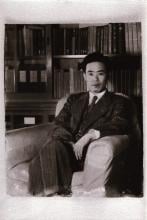
Japanese physicist Ukichiro Nakaya (1900-1962) made the world’s first artificial snowflakes. He started his research on snow crystals in the early 1930s at Hokkaido University, where there is an unlimited supply of natural snow in winter. By taking over 3,000 photographs, he established a classification of natural snow crystals and described their relationship with weather conditions.
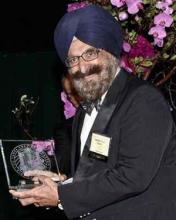
Physicist Narinder Singh Kapany (31 October 1926 – 4 December 2020) pioneered the use of optical fibres to transmit images, and founded several optical technology companies. Born in Punjab, India, he worked at a local optical instruments factory before moving to London for PhD studies at Imperial College. There, he devised a flexible fibrescope to convey images along bundles of glass fibres.
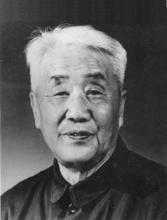
Chinese palaeontologist, archaeologist and anthropologist Pei Wenzhong (January 19, 1904 – September 18, 1982) is regarded as a founder of Chinese anthropology.
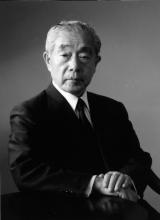
Japanese chemist Kenichi Fukui (4 October 1918 – 9 January 1998) was the first Asian scientist to be awarded the Nobel Prize in Chemistry. Together with Roald Hoffman, he received this honour in 1981 for his independent research into the mechanisms of chemical reactions.
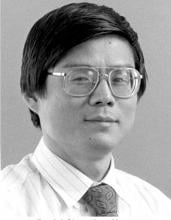
South Korean theoretical physicist Daniel Chonghan Hong (3 March 1956 – 6 July 2002) achieved fame in the public sphere through his research into the physics of popcorn.
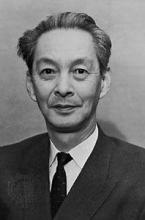
Shinichiro Tomonaga (31 March 1906 – 8 July 1979), together with Richard Feynman and Julian Schwinger, was awarded the Nobel Prize in Physics in 1965, for their contributions to advance the field of quantum electrodynamics. Tomonaga was also a strong proponent of peace, who actively campaigned against the proliferation of nuclear weapons and promoted the peaceful use of nuclear energy.
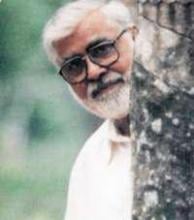
Known as Mr. Natural Rubber, chemist and researcher B. C. Shekhar (17 November 1929 – 6 September 2006) introduced a number of technical innovations that helped put Malaysia’s natural rubber industry on the world map.

Lin Lanying (7 February 1918 – 4 March 2003) was a Chinese material engineer remembered for her contributions to the field of semiconductor and aerospace materials. Lanying was born into a family who did not believe in educating girls and she was not allowed to go to school.
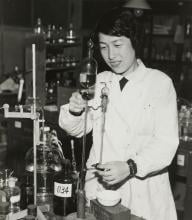
Japanese geochemist Katsuko Saruhashi developed the first method and tools for measuring carbon dioxide in seawater