

Science
News
16 Feb 2022
Osaka Prefecture University
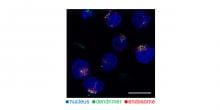
This is a novel study that attempted to construct a pH-sensitive delivery system into T cells and their subsets using carboxy-terminal Phe- and CHex-modified dendrimers with different structures, i.e. PAMAM-CHex-Phe and PAMAM-Phe-CHex. The findings contribute to the development of nanoplatforms for direct delivery to T cells to control the functions of T cells, which play key roles in cancer immunotherapy. This is the first report on direct delivery into T cells using pH-sensitive DDS.
16 Feb 2022
Hokkaido University
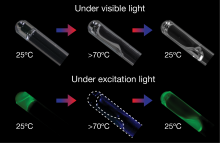
Simulations have led to the fabrication of a polymer-DNA gel that could be used in tissue regeneration and robotics.
16 Feb 2022
Osaka City University
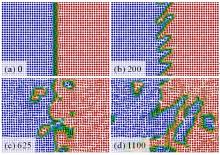
Through numerical simulations, a researcher details the discovery of a new isolated skyrmion with a half-integer topological quantum number in the ferromagnetic phase of the magnetic quantum fluid Bose-Einstein condensate (BEC). The new skyrmion is generated by applying a spin current to a magnetic domain wall and it has an eccentric (off-center) spin singularity inside it.
11 Feb 2022
Helping elevate the careers of over 50 women researchers, the partnership has recognized prize-winning science from more than 20 countries in the Global South since 2013

11 Feb 2022
Asia Research News
Low volcanic temperature ushered in global cooling and thriving dinosaurs, Broccoli compound induces cell death in yeast, A single molecule makes big splash in quantum mechanics, Dengue virus makes mosquitos bite more often, and Asia Research News: How it all began, all in the February's Editor's Choice
10 Feb 2022
Asia Research News
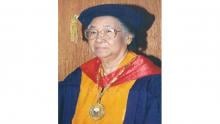
Giants in History: Eminent Filipina scientist and educator Clara Lim-Sylianco (18 August 1925 – 23 July 2013) is remembered for her extensive research on mutagens – often-carcinogenic agents that permanently alter genetic materials such as DNA – antimutagens and bioorganic mechanisms.

03 Feb 2022
Tohoku University
The Sanriku Coast - which includes present day Iwate and parts of Aomori and Miyagi - has been prone to tsunamis throughout its history. Analyses of tsunami deposits along the coast, however, haven’t always provided conclusive findings. Now, a research team has utilized a new radiocarbon dating method to clarify the region’s tsunami history and better understand the frequency at which these disasters occur.
02 Feb 2022
Institute of Industrial Science, The University of Tokyo (UTokyo-IIS)
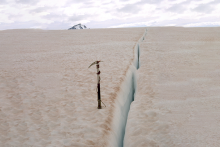
Researchers from Institute of Industrial Science, The University of Tokyo find that the occurrence of red snow is closely tied to the length of the snow melt season and new snowfall events
31 Jan 2022
Hiroshima University
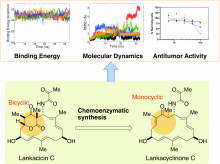
Garden soil houses a variety of bacteria and their natural byproducts — including one that may help halt tumor growth. Lankacidins are molecules that can be isolated from Strepomyces rochei, a common bacterium in soil. In addition to antimicrobial properties, a type of lankacidins, called lankacidin C, can inhibit tumor activity in various cancer cell lines, including leukemia, melanoma, ovarian and breast cancers. Lankacidin C offers a potential foundation on which to design anticancer drugs, but its structure is complicated and difficult to manipulate, according to an international research group. The same group recently identified where antitumor activity is housed on the molecule and has now used that information to simplify lankacidin as a potential starting point to engineer treatments.
31 Jan 2022
Ehime University
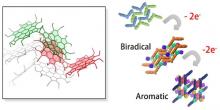
Aromaticity of the Space Surrounded by Two Aromatic Rings
28 Jan 2022
Kavli Institute for the Physics and Mathematics of the Universe (Kavli IPMU)
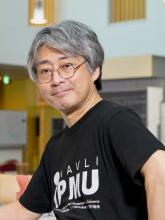
Kavli IPMU and UC Berkeley's Hitoshi Murayama has been named a new fellow of the American Association for the Advancement of Science (AAAS). Congratulations!
27 Jan 2022
Hokkaido University
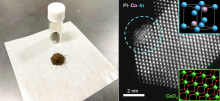
Researchers have developed an innovative catalyst for the synthesis of propylene, which has potential benefits for the chemical industry and carbon recycling.
27 Jan 2022
Osaka Prefecture University
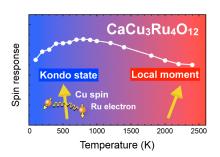
An international research group demonstrated that the Kondo effect can have a significant impact on transition metal oxide compound, which has unique and desirable properties to realize wide range of quantum phenomena. The findings have provided more evidence in a decade long debate.
27 Jan 2022
Asia Research News
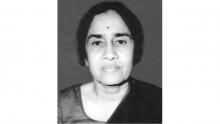
Giants in History: In 1939, biochemist Kamala Sohonie (18 June 1911 – 28 June 1998) became the first woman to be accepted into the Indian Institute of Science (IISc).
25 Jan 2022
Hokkaido University
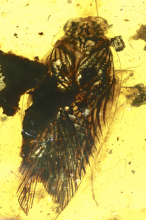
Studying the sensory organs of a 100-million-year-old cockroach offers new insights into how the species may have lived.
23 Jan 2022
Ehime University
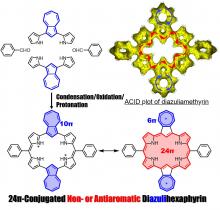
A ring-expanded porphyrin, diazuliamethyrin, was successfully synthesized via a “3+3” condensation method. This porphyrin showed a 24pi non- or antiaromatic character. We analyzed the optical and electronic structures using magnetic circular dichroism spectroscopy and time-dependent density functional theory calculations.

20 Jan 2022
Singapore University of Technology and Design
A specific deep neural network model called Bidirectional Long-Short-Term Memory can use cough sounds to distinguish sick from healthy children, paving the way for preliminary screening.
19 Jan 2022
Hong Kong Baptist University (HKBU)
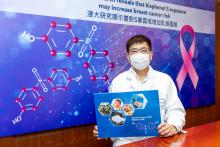
A study led by Hong Kong Baptist University (HKBU) has revealed that different degrees of exposure to bisphenol S (BPS), an industrial chemical widely used in paper products and plastic containers, are associated with the growth and deterioration of breast tumours in a mouse model. The research results suggest the need for more in-depth and comprehensive research on the potential negative impact of BPS on human health, and the ongoing search for a safer alternative for use in industrial production may be warranted.
18 Jan 2022
Hokkaido University
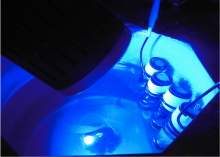
A new method for creating a highly useful chemical subunit eliminates the need for precious metals, potentially leading to the sustainable production of pharmaceuticals and electronics.
13 Jan 2022
Asia Research News
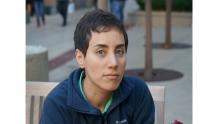
Giants in History: Mathematician Maryam Mirzakhani (12 May 1977 – 14 July 2017) was the first and only woman and Iranian to date to win the Fields Medal in 2014 for her work on curved surfaces.
13 Jan 2022
Duke-NUS Medical School
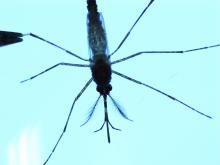
The dengue virus alters mosquito behaviour in a way that makes it three times more efficient at transmitting infection.

10 Jan 2022
Asia Research News
Unveiling substructures at the edge of the Galaxy, Nanodiamonds key to efficient hydrogen purification, How SARS-CoV-2 evades our immune system, A Zika hijacking with devastating impacts & Finding the right story for your audience, all in the January Editor's Choice.
07 Jan 2022
Osaka Prefecture University
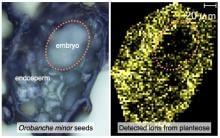
Enzymatic hydrolysis of planteose: α-Galactosidase is a promising molecular target for root parasitic weed control
06 Jan 2022
Asia Research News
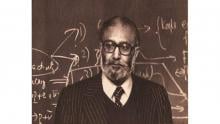
Giants in History: Mohammad Abdus Salam (29 January 1926 – 21 November 1996) was a theoretical physicist and the first Pakistani to receive a Nobel Prize in science.
05 Jan 2022
Kanazawa University
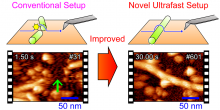
Researchers at Kanazawa University report in Applied Physics Letters the design of an ultrafast amplitude detector for use in high-speed atomic force microscopy. The detector will enable the real-time recording of fast dynamical processes of biomolecules.

30 Dec 2021
Asia Research News
Giants in History: Filipina chemist María Orosa (29 November 1892–13 February 1945) fought malnutrition and food insecurity in the Philippines by devising over 700 culinary creations including Soyalac, a nutrient rich drink made from soybeans, and Darak, rice cookies packed with Vitamin B1, which could prevent beriberi disease caused by Vitamin B1 deficiency.

23 Dec 2021
Asia Research News
Abdus Suttar Khan (c. 1941 – 31 January 2008) was a Bangladeshi engineer who spent a significant part of his career conducting aerospace research with NASA, United Technology and Alstom
22 Dec 2021
Kanazawa University
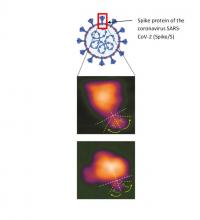
In a recent study published in the Journal of Extracellular Vesicles researchers from Kanazawa University have visualized structural changes on the surface of SARS-CoV-2 that enable it to enter human cells.
22 Dec 2021
Osaka Prefecture University
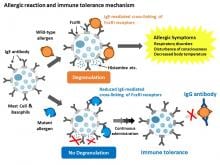
Scientists have identified a series of molecular candidates for those parts of dog allergens that cause immune reactions in people—the first step in developing a vaccine against most causes of dog allergies.
22 Dec 2021
Kanazawa University
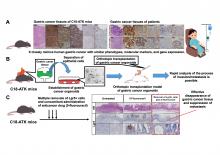
We have succeeded in establishing a mouse model that develops gastric cancer closely resembling advanced human gastric cancer. Using this model, we have discovered gastric cancer stem cells, i.e. Lgr5+ gastric cancer cells, essential for the development, maintenance, and metastasis of cancer. Our study provides an experimental system that enables detailed analysis of highly malignant gastric cancer and is expected to lead to the development of a breakthrough treatment for advanced human gastric cancer.
Giants in history

Chinese-American physicist Tsung-Dao Lee (24 November 1926 – 4 August 2024) was awarded the Nobel Prize for Physics in 1957 together with Chen-Ning Yang for their work challenging the symmetry law in subatomic particles. They were the first Chinese Nobel prize winners, with Lee becoming the second-youngest laureate. Born in Shanghai, he went to the United States on scholarship and studied under another Nobel winner, Enrico Fermi.

Turkish astrophysicist Dilhan Eryurt (29 November 1926 – 13 September 2012) conducted research on how the sun affects environmental conditions on the moon.
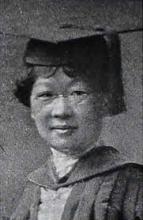
Chinese biochemist Chi Che Wang (1894 - 1979), one of the first Chinese women to study abroad, advanced to prominent research positions at American institutions including the University of Chicago and the Northwestern University Medical School.
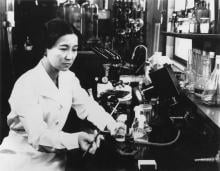
Ruby Sakae Hirose (1904 – 1960) was a Japanese-American scientist whose research contributed significantly to our understanding of blood clotting, allergies and cancer.
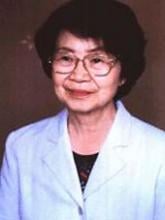
Chinese electron microscopy specialist Li Fanghua (6 January 1932 – 24 January 2020) facilitated the high-resolution imaging of crystal structures by eliminating interference.
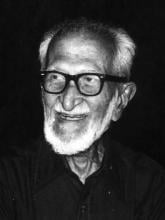
Sálim Moizuddin Abdul Ali (12 November 1896 – 20 June 1987), commonly referred to as the Birdman of India, was the first person to conduct systematic surveys of birds from across India.
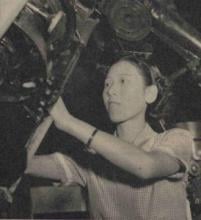
Haisako Koyama (1916 – 1997) was a Japanese solar observer whose dedication to recording sunspots – cooler parts of the sun’s surface that appear dark – produced a sunspot record of historic importance.
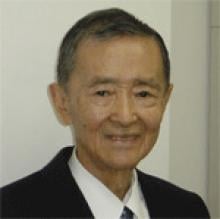
Michiaki Takahashi (17 February 1928 – 16 December 2013) was a Japanese virologist who developed the first chickenpox vaccine.
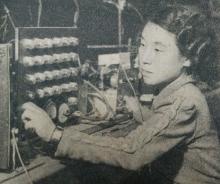
Toshiko Yuasa (11 December 1909 – 1 February 1980) was the first Japanese female physicist whose research on radioactivity shed light on beta decay – the process in which an atom emits a beta particle (electron) and turns into a different element.

Angelita Castro Kelly (1942-2015) was the first female Mission Operations Manager (MOM) of NASA. She spearheaded and supervised the Earth Observing System missions during its developmental stage.
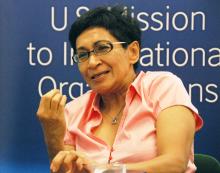
Malaysia’s first astrophysicist, Mazlan binti Othman (born 11 December 1951) was instrumental in launching the country’s first microsatellite, and in sending Malaysia’s first astronaut, Sheikh Muszaphar Shukor, into space.

Bibha Chowdhuri (1913 – 2 June 1991) was an Indian physicist who researched on particle physics and cosmic rays. In 1936, she was the only female to complete a M.Sc. degree at the University of Calcutta.
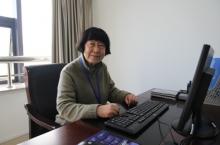
Meemann Chang (born 17 April 1936) is a Chinese palaeontologist who studied the fossils of ancient fish to understand the evolution of life. By examining fossils, she uncovered new insights on how vertebrates, animals with a backbone, migrated from the sea and became adapted to live on land.
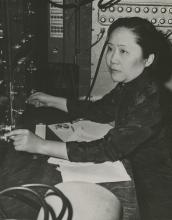
Chien-Shiung Wu (31 May 1912 – 16 February 1997) was an experimental physicist who made several important contributions to nuclear physics. Wu worked on the Manhattan Project – a top-secret program for the production of nuclear weapons during World War II and helped to develop a process for separating uranium into U235 and U238.
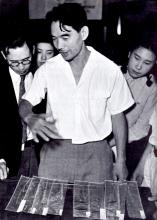
Hitoshi Kihara (1893 – 1986) was one of the most famous Japanese geneticists of the 20th century. One of his most significant contributions was identifying sex chromosomes (X and Y) in flowering plants.
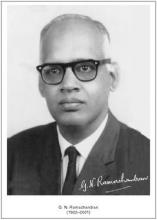
Gopalasamudram Narayanan Ramachandran (8 October 1922 – 7 April 2001) is best known for developing the Ramachandran plot to understand the structure of short chains of amino acids, known as peptides.
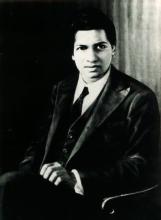
Srinivasa Ramanujan (22 December 1887 – 26 April 1920) was a math prodigy and widely considered one of India’s greatest mathematicians. Despite having almost no formal training in mathematics, he made substantial contributions to mathematical analysis, number theory, infinite series and continued fractions.
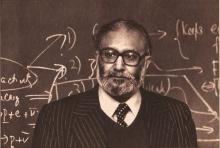
Mohammad Abdus Salam (29 January 1926 – 21 November 1996) was a theoretical physicist and the first Pakistani to receive a Nobel Prize in science.
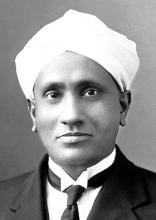
Sir Chandrasekhara Venkata Raman (7 November 1888 – 21 November 1970) was an Indian physicist who performed ground-breaking research in the field of light-scattering.
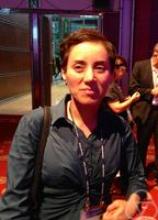
Mathematician Maryam Mirzakhani (12 May 1977 – 14 July 2017) was the first and only woman and Iranian to date to win the Fields Medal in 2014 for her work on curved surfaces.
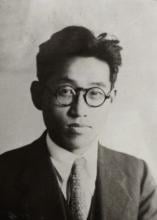
Joo-myung Seok (November 13, 1908 – October 6, 1950) was a Korean butterfly entomologist who made important contributions to the taxonomy of the native butterfly species in Korea.
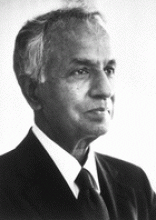
Subrahmanyan Chandrasekhar (19 October 1910 – 21 August 1995) was an Indian astrophysicist who studied the structure and evolution of stars.
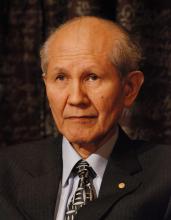
Osamu Shimomura (27 August 1928 – 19 October 2018) was a Japanese organic chemist and marine biologist who dedicated his career to understanding how organisms emitted light.
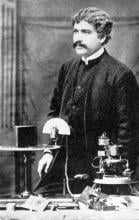
Sir Jagadish Chandra Bose (30 November 1858 – 23 November 1937) was a scientist and inventor who contributed to a wide range of scientific fields such as physics, botany and biology.
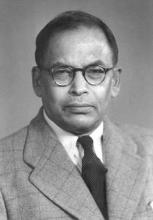
Meghnad Saha (6 October 1893 – 16 February 1956) was an Indian astrophysicist best known for formulating the Saha ionization equation which describes the chemical and physical properties of stars.
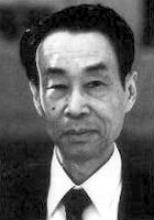
Motoo Kimura (13 November 1924 – 13 November 1994) was a Japanese theoretical population geneticist who is best remembered for developing the neutral theory of molecular evolution.

Chika Kuroda (24 March 1884 – 8 November 1968) was a Japanese chemist whose research focussed on the structures of natural pigments.
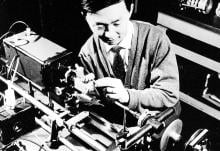
Charles Kuen Kao (Nov. 4, 1933 to Sept. 23, 2018) was an engineer who is regarded as the father of fibre optics. His work in the 1960s on long distance signal transmission using very pure glass fibres revolutionized telecommunications, enabling innovations such as the Internet.
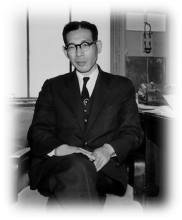
The field of solid-state ionics originated in Europe, but Takehiko Takahashi of Nagoya University in Japan was the first to coin the term ‘solid ionics’ in 1967. ‘Solid-state ionics’ first appeared in 1971 in another of his papers, and was likely a play on ‘solid-state electronics’, another rapidly growing field at the time.
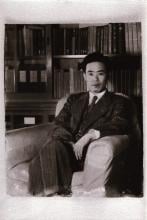
Japanese physicist Ukichiro Nakaya (1900-1962) made the world’s first artificial snowflakes. He started his research on snow crystals in the early 1930s at Hokkaido University, where there is an unlimited supply of natural snow in winter. By taking over 3,000 photographs, he established a classification of natural snow crystals and described their relationship with weather conditions.
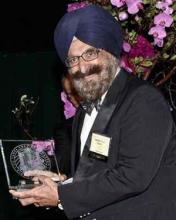
Physicist Narinder Singh Kapany (31 October 1926 – 4 December 2020) pioneered the use of optical fibres to transmit images, and founded several optical technology companies. Born in Punjab, India, he worked at a local optical instruments factory before moving to London for PhD studies at Imperial College. There, he devised a flexible fibrescope to convey images along bundles of glass fibres.
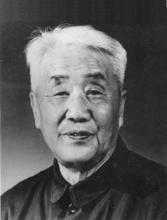
Chinese palaeontologist, archaeologist and anthropologist Pei Wenzhong (January 19, 1904 – September 18, 1982) is regarded as a founder of Chinese anthropology.
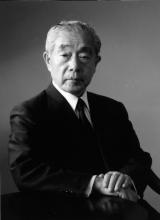
Japanese chemist Kenichi Fukui (4 October 1918 – 9 January 1998) was the first Asian scientist to be awarded the Nobel Prize in Chemistry. Together with Roald Hoffman, he received this honour in 1981 for his independent research into the mechanisms of chemical reactions.
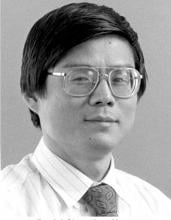
South Korean theoretical physicist Daniel Chonghan Hong (3 March 1956 – 6 July 2002) achieved fame in the public sphere through his research into the physics of popcorn.
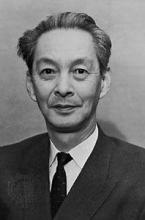
Shinichiro Tomonaga (31 March 1906 – 8 July 1979), together with Richard Feynman and Julian Schwinger, was awarded the Nobel Prize in Physics in 1965, for their contributions to advance the field of quantum electrodynamics. Tomonaga was also a strong proponent of peace, who actively campaigned against the proliferation of nuclear weapons and promoted the peaceful use of nuclear energy.
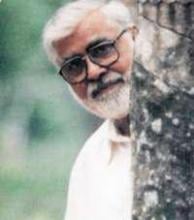
Known as Mr. Natural Rubber, chemist and researcher B. C. Shekhar (17 November 1929 – 6 September 2006) introduced a number of technical innovations that helped put Malaysia’s natural rubber industry on the world map.

Lin Lanying (7 February 1918 – 4 March 2003) was a Chinese material engineer remembered for her contributions to the field of semiconductor and aerospace materials. Lanying was born into a family who did not believe in educating girls and she was not allowed to go to school.
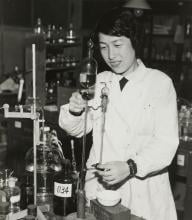
Japanese geochemist Katsuko Saruhashi developed the first method and tools for measuring carbon dioxide in seawater