
Plants & Animals
News

09 Oct 2026
Asia Research News
DNA breakdown in real time, How crystals bend without breaking, Mini-brain for Parkinson’s,
Heavy water helps weather forecasts, Exploring fish diversity and Mindfulness and self-stigma. Read it all in this month's Editor's Choice
06 Oct 2026
Lingnan University
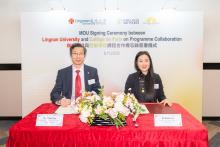
The Short-legged Horned Toad (Boulenophrys brachykolos), listed as endangered on the International Union for Conservation of Nature (IUCN) Red List of Threatened Species, is the only known small frog species in Hong Kong belonging to the genus Boulenophrys of the family Megophryidae. A study led by the Division of Science at Lingnan University has found that the Lantau Island population of the Short-legged Horned Toad shows clear genetic divergence from other local populations, along with several notable differences in the mating calls of males. The research team suggests that the Lantau population represents an early stage of speciation. Geographical isolation of Lantau Island from other landmasses likely contributed to these unique evolutionary traits. The team recommends treating the Lantau population as a separate conservation unit in future.
29 Sep 2026
Springer Nature
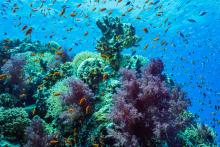
New research identifies coastal regions at heightened risk of non-native marine species, including the eastern United States, Gulf of Mexico, coastlines bordering the North Sea, southeastern China and northern Australia.
28 Sep 2026
Ehime University
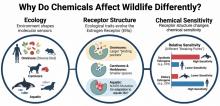
New Horizons in Sensitivity Assessment: Integrating Genetic Sequence Comparison, Machine Learning, In Silico, and In Vitro Analyses of Mammalian Estrogen Receptors

15 Sep 2026
Asia Research News
AI-powered cyborg cockroaches, Undiagnosed kidney disease, Plants as genetic engineers, AI and mental workload, Carnivorous plants confirm Darwin prediction, Moisture conveyor belt and Forever chemicals in furry friends. Read all in the latest Editor's Choice.
03 Sep 2026
Tohoku University
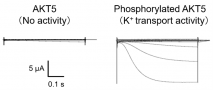
Leaf stalks – the edible part of vegetables like celery and Swiss chard – can grow even bigger than before thanks to key research identifying the role of a potassium channel called AKT5. Until now, its function has been a mystery.
18 Aug 2026
Tohoku University
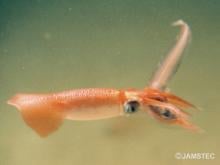
It’s a fish-eat-fish world out there. A new model by researchers at Tohoku University’s WPI-AIMEC and JAMSTEC may help us better understand these complex ocean relationships. Don’t forget: this food chain involves us too!
17 Aug 2026
Hiroshima University
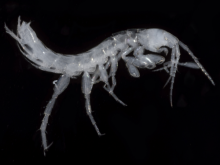
Finding new species in unassuming settings brings light to further exploration and conservation efforts to preserve the unique diversity in groundwater environments

13 Aug 2026
Asia Research News
Black hole "blast", Bacteria-detecting robot, A crab's tale, Sensors that remember, and Silk in cycling. Plus submission deadline for 2027 magazine. Read all in the latest Editor's Choice.
05 Aug 2026
Tohoku University
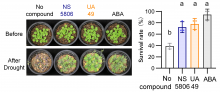
As climate change drives up temperatures worldwide and water becomes scarce, how can we make sure crops survive? Tohoku University researchers have identified a new class of small molecules that enhances plant drought tolerance.

05 Aug 2026
Springer Nature
The flowering plant Saxifraga candelabrum has been confirmed as a new carnivorous lineage, according to research published in Nature Communications, supporting a prediction made by Charles Darwin about the plants.
30 Jul 2026
Lingnan University
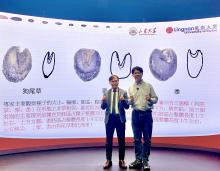
Ancient plant seeds provide important archaeological evidence for studying the evolution of human civilisation. Lingnan University and Shandong University have jointly developed the world’s first artificial intelligence (AI) archaeological system dedicated to identifying ancient Chinese plant seeds. The system emulates the identification process of archaeobotanical experts and achieves a classification accuracy of over 90 per cent. The researchers point out that the identification of plant seeds excavated from archaeological sites has traditionally relied on experts examining each seed individually, a process that is both time-consuming and difficult to scale. The large, standardised database they have created helps improve research efficiency while advancing archaeobotanical research and the digitalisation of cultural heritage. The findings have been published in Heritage Science, an internationally recognised journal of cultural heritage and part of the Nature Portfolio.
30 Jul 2026
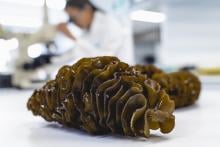
In a breakthrough clinical trial undertaken by Australian biotechnology company Marinova, a unique seaweed extract has been shown to relieve the symptoms of benign prostatic hyperplasia (BPH).
27 Jul 2026
Lingnan University
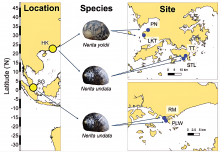
With global warming and extreme weather intensifying, can animals raise their thermal tolerance to cope with a continuously warming environment? A joint research project run by the Division of Science at Lingnan University and an international research team carried out practical testing on tropical intertidal snails that live under the scorching sun. The team simulated the real-world conditions of coastal rocks heating up under intense sunlight in the Hong Kong SAR and Singapore, and discovered that the maximum temperature of some rocks has approached the upper physiological thermal limit of these intertidal snails. Since this can cause cardiac arrest and an inability to maintain normal physiological functions, it means that their thermal tolerance may not be able to increase indefinitely as the environment continues to warm, and extreme heat in the future may increase their risk of mortality. The research findings have been published in internationally renowned academic journal The Biological Bulletin.
23 Jul 2026
Lingnan University
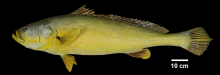
The Chinese bahaba (Bahaba taipingensis), a marine fish species endemic to the Chinese coast and known as the “Panda of the Sea”, is a critically endangered species and one of the few marine fish listed as a first-class protected wild animal in China. Collaborative research led by the Division of Science at Lingnan University has now developed a cost-effective environmental DNA (eDNA) monitoring qPCR approach specifically designed for the Chinese bahaba. Using the new technology, the research has detected traces of the species in western Hong Kong SAR waters, marking the first scientific discovery of the fish in the city in over a decade. The researcher highlights that the technology enables experts to monitor the species non-invasively and to evaluate conservation outcomes without capturing or disturbing rare marine animals, thus providing important scientific evidence to assist in marine conservation planning in China.
23 Jul 2026
Tohoku University
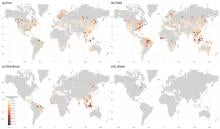
The battle against environmental degradation is complex. Green technologies can be both part of the solution and part of the problem, a recent study has revealed. Researchers from Tohoku University and the National Institute for Environmental Studies have utilized remote sensing and machine learning to reveal the impacts mining for minerals in green technologies has on biodiversity.
20 Jul 2026
Osaka Metropolitan University
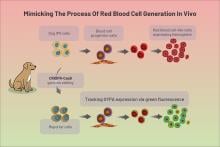
Foundational steps made towards artificial cell production for blood bank reserves

17 Jul 2026
Ateneo de Manila University
The game's traditional Filipino remedies are based on real research from the Philippine Institute of Traditional and Alternative Health Care (PITAHC).
17 Jul 2026
Tohoku University
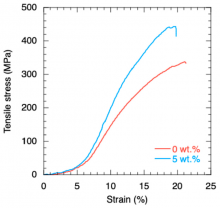
You are what you eat! Researchers discovered that a small change to the diet of silkworms improves the quality of silk they produce.
17 Jul 2026
Tohoku University
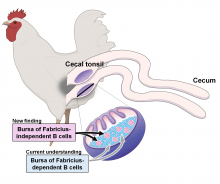
Researchers at Tohoku University have made an interesting discovery that provides a boost to the immune system of birds. They found that B-cell development, which forms part of the immune system, occurs outside the bursa of Fabricius, the organ where scientists previously thought B-cell development exclusively occurred. The findings paint a clearer picture of the birds’ immune system at a time when antimicrobial resistance has affected livestock and poultry production across the globe.

16 Jul 2026
Asia Research News
Early rice gets the flower, Exercising against cancer, Efficient artificial photosynthesis, New “living pink rocks”, Unlocking megathrust earthquakes, Longevity protein demystified and Death gene paradox. Read all in the latest Editor's Choice.
16 Jul 2026
Hiroshima University
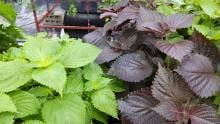
Disrupting a single enzyme gene in red perilla reshaped its metabolism, producing green plants enriched in health-promoting molecules.
15 Jul 2026
Osaka Metropolitan University
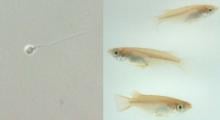
Sperm velocity found to drop in Japanese rice fish that spawn consecutively
03 Jul 2026
Ateneo de Manila University
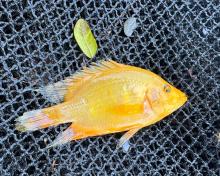
Invasive Flowerhorn cichlids threaten Lake Sampaloc’s native fish, aquaculture, and public health, Ateneo researchers warn.
02 Jul 2026
Hiroshima University
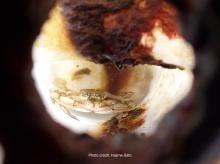
How did a large crab end up trapped inside a plastic bottle with an opening smaller than its body? Hiroshima University researchers investigated this unusual marine mystery, revealing a lesser-known impact of marine plastic pollution on crustaceans.
30 Jun 2026
Osaka Metropolitan University
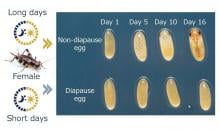
Cricket mothers transmit environmental information that determines embryonic developmental timing. Researchers have demonstrated that entry into developmental arrest is controlled by an integrated program of transcriptional, epigenetic, and metabolic reprogramming. Their study uncovers a system-level mechanism linking environmental cues to embryonic fate.
30 Jun 2026
Tohoku University
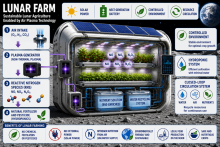
Rice grown on the Moon? No, this is not something out of science fiction, but a future possibility thanks to a plasma technology developed by Tohoku University and JAXA. The plasma technology synthesizes gas from atmospheric air and turns it into a nitrogen-based fertilizer. Researchers also tested the fertilizer on rice seedlings planted in a lunar soil simulant, finding that the fertilizer released critical minerals from the Moon's soil while suppressing harmful ones. The technology is portable and energy-efficient, meaning it can even be used here on Earth for a more sustainable form of rice farming.
23 Jun 2026
Hiroshima University
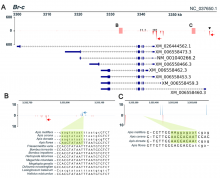
Researchers have identified “DNA switches” that become active as honeybee larvae grow into worker bees, offering new insight into the development of these important pollinators and the ecosystems they support.
12 Jun 2026
Lingnan University
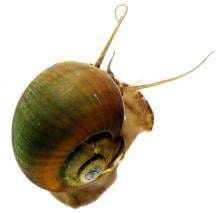
Pomacea canaliculata, commonly known as the apple snail, a pest commonly found in Hong Kong’s wetlands and farmlands, feeds on aquatic plants and deposits its eggs on terrestrial plants or stone bunds. It is listed by the International Union for Conservation of Nature (IUCN) as one of the “100 of the World's Worst Invasive Alien Species”. The Division of Science of Lingnan University and its collaborative research team analysed the genomes of the Pomacea canaliculata and its close relatives, and discovered that despite being aquatic animals, they possess the trait of terrestrial reproduction, and their egg masses also exhibit desiccation resistance, UV screening, and predator deterrence. This capability may originate from an infection by a virus during the Jurassic period, where their ancestors integrated the viral gene to evolve in their own genome, and scholars point out that this could not only provide foundational insight into how land invasion occurred, but also suggest potential avenues for developing inhibitors to eradicate the snail pest from the root. These research findings were recently published in the top international academic journal Advanced Science.
09 Jun 2026
Hiroshima University
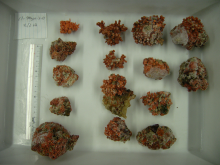
Rhodoliths may look like small rocks on the seafloor, but they're actually living algae that create habitats for marine life and contribute to long-term carbon storage. A new study found that the deeper ‘low-light’ waters off Japan's Tanegashima Island harbor a surprisingly distinct and diverse community of these ‘living pink rocks,’ including four species completely new to science. Researchers identified at least 12 species in a small patch of seafloor 35–38 meters deep, but only three were also found in nearby shallow waters, suggesting the deeper habitat is not simply a continuation of the one near the surface.
Events

21 Oct 2026
Showcase and connect with our global community of leading research experts, industry representatives and practitioners at the 2026 International Conference on Agriculture Sciences (ICAS 2026) in Bologna, Italy!

09 Jun 2025
The annual meeting of the Asian Society of Ichthyologists and the Indo-Pacific Fish Conference will take place in Taipei, Taiwan, on June 9-13, 2025.

11 Nov 2024
Looking to make a meaningful impact on regional research and scientific capacity development in the Asia-Pacific region? The APN’s 2024 Call for Proposals invites you to submit proposals that tackle global change challenges, foster regional partnerships and support the development of sustainable solutions.
09 Nov 2023
Seeking to build experience in collaborative regional research and scientific capacity development in the Asia-Pacific region? Interested in writing grant proposals for global environmental change projects? Come and join our open capacity building seminars to receive grant proposal writing guidance and an introduction to the Asia-Pacific Network for Global Change Research (APN)'s 2023 Call for Proposals. Two seminars are available on the 9th and 10th of November, and we warmly welcome participation from early career professionals and global change practitioners in the Asia-Pacific region.
24 Oct 2023
This Forum will take place on 24 October 2023 in Kobe, Japan. It will be held in hybrid format (on-site and virtual).

18 Nov 2020
The Asia-Pacific Agri-Food Innovation Summit will focus on accelerating innovation in supply chain resilience, urban food systems, alternative proteins, and affordable nutrition. Will you be joining the conversation virtually on November 18-20?

The Khwarizmi International Award (KIA) acknowledges the efforts made by researchers, innovators and inventors from across the globe and to appreciate their high quality research work and contributions to different fields of science and technology.

28 Aug 2019
The 2019 Genome Expo is scheduled to be held at UNIST from August 28 to 29, 2019.

20 Nov 2019
Accelerating technology and investment in Asia’s agri-food supply chain
Researchers

Dr. Muhammad Abdul Basit is an established academician who is concomitantly working in science and arts, accomplishing the publications of multiple books as well as more than 100 international research publications in the field of nanomaterials, thin-film techniques, and photoenergy applications. Dr. completed did his PhD & Post-Doc. from Hanyang University, south Korea and currently serving as an Associate Professor at the Institute of Space Technology, Pakistan where he is leading the Nanomaterials for Advanced Energy Applications research group and lab. Dr. Basit has won multiple intellectual capability awards from various agencies such as HEC Pakistan, PCK Korea and DAAD-Germany.

Tahiya Tasnim is a distinguished academic researcher and educator driving research-driven interventions that bridge academia and communities. She specializes in education, planetary health, and sustainability, empowering marginalized communities through research, developing curricula, and advocacy.

A public health researcher and educator specializing in epidemiology, biostatistics, and molecular biology, with a passion for advancing global health, infectious disease control, and data-driven public health solutions.

Monash University
Wan F. A. Jusoh is currently a Senior Lecturer in Biodiversity and Conservation and serves as the Honours Program Director (Malaysia) at the School of Science, Monash University Malaysia. Her research focuses on the intersection of biodiversity and the history of natural heritage, ranging from studying flashing fireflies to reconstructing timelines of how ecosystems have evolved.

I am an efficient Professor able to Develop courses with IT skills & sound teaching skills in a manner attractive to students. I have vast experience in supervising postgraduate research & Contribute in a well manner to the ongoing academic development of the School’s postgraduate courses and research.

I'm currently an adjunct professor at the Asian Institute of Management in Manila. I crafted a course called Art-Science Thinking based on my dissertation on Culture as Transformative Innovation: Filipino Care in the Practice of Family Medicine. Since 2017, my consultancy & studio has been collaborating with the Dept. of Science & Technology in the Philippines.


Prof Matthew Tan is a Food Security Specialist and an Aquaculture veteran with more than 20 years’ experience in the Agri-Tech Industry.
He is currently driving several sustainability projects in the area of Carbon Neutral Engineering and specializes in Aquaculture & Agriculture carbon credit & sequestration with regards to regenerative & restorative activities in the areas of habitat conservation, biodiversity, CSR aquaculture and use of climate smart technologies with the aim to develop true impact projects to reduce carbon emissions, plastic waste, protect biodiversity, and drive conservation and investment into local communities as he assist companies with their Carbon Transition Strategy and Planning.
Hokkaido University
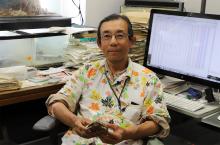
Dr. Eisuke Hasegawa is an Associate Professor at the Graduate School of Agriculture, Hokkaido University, where he heads the Animal Ecology Laboratory. His research interests include animal ecology; evolutionary biology; natural selection; sociality; and ethology.
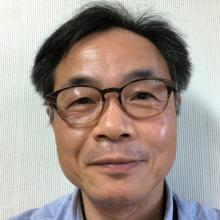
Dr. Yukio Yasui is an Associate Professor at Kagawa University. He has dedicated his research work to ecology, ethology and evolutionary biology studies, with his more recent work on the evolution of sex.
Universiti Malaysia Sarawak
Dr. Wong Sin Yeng is an associate professor and Deputy Director at the Institute of Biodiversity and Environmental Conservation, Universiti Malaysia Sarawak (UNIMAS), whose work has led to identifying hundreds of new plant species in Southeast Asia.
Professor Crumlish has researched aquatic microbial diseases, specifically ones that have economic impact in global aquaculture, and potential solutions to such infectious diseases. Her current project seeks to develop vaccines against antimicrobial resistance in aquaculture.

City University of Hong Kong (CityUHK)
Professor St-Hilaire is a professor at the Department of Infectious Diseases and Public Health, City University of Hong Kong (CityU). She has extensively researched fish nutrition and diseases, including treatment efficacy, and has helped investigate fish disease outbreaks.

Universiti Putra Malaysia (UPM)
Dr. Ikhsan is an associate professor at the Department of Aquaculture, University Putra Malaysia. She specializes in the field of Aquatic Microbial Ecology particularly in the development of innovative and sustainable microbial management strategies through understanding of the host-microbe interaction for enhanced microbial stability.

Dr. Van was previously the Director of the Research Institute for Aquaculture No.1 (RIA1) under Vietnam’s Ministry of Agriculture and Rural Development. She has extensive expertise in aquatic animal health and aquaculture safety management.
Nguyen Huu Nghia is the Director of the Center for Environment and Disease Monitoring in Aquaculture (CEDMA) at the Research Institute for Aquaculture No.1 (RIA1) under Vietnam’s Ministry of Agriculture and Rural Development. He has co-managed various research efforts in Vietnam aquaculture as well as published recent research into the use of nanobubbles.

Assistant Professsor Lauren Sallan is a fish paleobiologist who uses big data — the fossil record — to study how some species win and others lose. Her multiple TED Talks on the evolution of fishes, mass extinction and paleontology have received over 3 million views.
The Asian Institute of Technology
Dr. Dong currently works at the Asian Institute of Technology. He does research in Aquaculture, Pathology, Infectious Diseases, and Aquatic Bioscience.
I am a Health Economist/Researcher, working with UN agencies in the development of policy documents for developing countries including Nepal, Ethiopia and Pakistan.
City University of Hong Kong (CityUHK)
Dr Brian Kot is a registered diagnostic radiographer and veterinary imaging researcher in the City University of Hong Kong.
Hiroshima University
Prof. Miyabi Nakabayashi works on tropical ecology, especially on seed dispersal by mammals in Sabah, Malaysian Borneo. Recently, she is focusing on seed dispersal system of fig trees (Ficus spp.) and large-seeded plants such as durians.
Duke-NUS Medical School
Prof Smith’s research programme primarily investigates the ecology and evolution of zoonotic viruses and the molecular epidemiology of human respiratory pathogens.
City University of Hong Kong (CityUHK)
Prof. Chen’s current research covers research on bacterial antimicrobial resistance, virulence and tolerance in the veterinary, food and medical microbiology fields
Guangshun Jiang does research in ecology and zoology with a special focus on big feline ecology and conservation research.

Universiti Malaysia Sabah
Dr. Connie Cassy Ompok is an early childhood education expert and a Senior Lecturer at the Faculty of Psychology and Education, Universiti Malaysia Sabah. She Started her career in Early Childhood Education as a preschool teacher (2004-2007), a lecturer in early childhood education at the Malaysian Institute of Teacher Education (2008-2016) before serving as a Senior Lecturer in Early Childhood Education at UMS (2016 until now).
Hokkaido University
Daisuke Hirano is an assistant professor at the Ocean and Sea Ice Dynamics Group, the Institute of Low Temperature Science of Hokkaido University, Japan.
Hokkaido University
Jorge García Molinos is an aquatic ecologist broadly interested in global change ecology and macroecology.

My current research is generally on the bioactive compounds, antioxidant and antimicrobial properties especially from agricultural by-product. Recently, I have found that these agricultural by-product has a promising potential to be used as biopesticide. They are not expensive, practical and will not significantly affect the environment and human health.
Giants in history
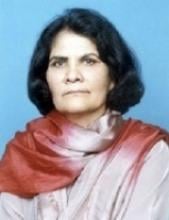
Pakistani botanist Azra Quraishi (22 September 1945 – 22 November 2002) is recognised for developing virus-free seed potatoes that increased potato production in Pakistan by an estimated five per cent.
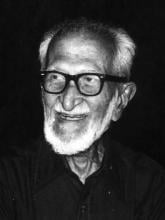
Sálim Moizuddin Abdul Ali (12 November 1896 – 20 June 1987), commonly referred to as the Birdman of India, was the first person to conduct systematic surveys of birds from across India.

Indian botanist Shipra Guha-Mukherjee (13 July 1938 – 15 September 2007) made a breakthrough discovery that enabled the genetic study of plants and, by extension, the development of improved varieties of rice, wheat, potatoes, and other crops.

During her short life, Fahire Battalgil (1902 - 1948) achieved renown as the first zoologist from Turkey to make strides in the field of freshwater fish biodiversity.

Edgardo Dizon Gomez (7 November 1938 – 1 December 2019) was a Filipino marine biologist who recognized the need to protect marine resources, especially coral reefs, in the Philippines.

Gloria Lim (1930-2022) was a mycologist from Singapore who studied tropical fungi. One of the first students to attend University of Malaya when it was founded in 1949, she went on to become the first female Dean of the Faculty of Science at the University of Singapore.
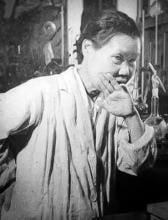
Michiyo Tsujimura (17 September 1888 – 1 June 1969) was a Japanese agricultural scientist and biochemist recognized for her research of green tea components.

Meemann Chang (born 17 April 1936) is a Chinese palaeontologist who studied the fossils of ancient fish to understand the evolution of life. By examining fossils, she uncovered new insights on how vertebrates, animals with a backbone, migrated from the sea and became adapted to live on land.
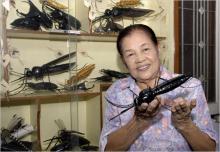
Rampa Rattanarithikul is a Thai entomologist who is a leading expert on mosquitoes. Rattanarithikul began her scientific career as a technician collecting mosquito specimens for the United States Operations Mission (USOM) malaria control program. Throughout her career, she discovered 23 species and officially described 13 others.
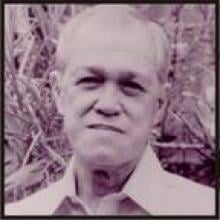
Julian Arca Banzon (13 March 1908 – 13 September 1988) was a biochemist from the Philippines who was a pioneer in alternative fuel research. Banzon investigated the use of indigenous crops as sources of renewable fuels and chemicals.
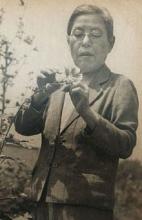
Kono Yasui (16 February 1880 – 24 March 1971) was a Japanese botanist who researched the genetics of poppies, corn and spiderworts and surveyed the plants that had been affected by the nuclear fallout after the atomic bombings of Hiroshima and Nagasaki.

Susan Lim (14 February 1952 – 2 August 2014) was a Malaysian parasitologist who specialized in studying a class of flatworms, the Monogeans, which are parasites of fishes.
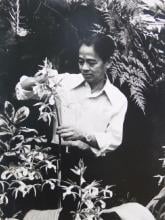
Rapee Sagarik (4 December 1922 – 17 February 2018) was Thailand’s renowned expert on orchids.
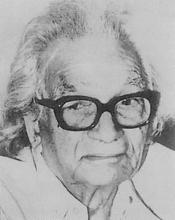
Salimuzzaman Siddiqui (19 October 1897 – 14 April 1994) was an artist and chemist from Pakistan whose research focused on natural products from plants.

Maqsudul Alam (14 December 1954 – 20 December 2014) was a biologist from Bangladesh who is renowned for his research on genome sequencing

Janaki Ammal Edavalath Kakkat (4 November 1897 – 7 February 1984) was an Indian botanist who studied plant chromosomes and genetics.
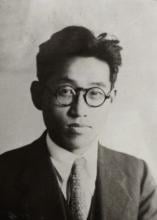
Joo-myung Seok (November 13, 1908 – October 6, 1950) was a Korean butterfly entomologist who made important contributions to the taxonomy of the native butterfly species in Korea.
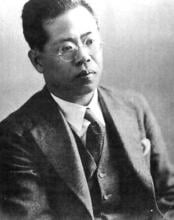
Woo Jang-choon (8 April 1898 – 10 August 1959) was a Korean-Japanese agricultural scientist and botanist.
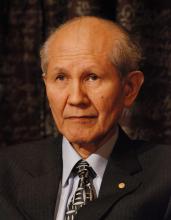
Osamu Shimomura (27 August 1928 – 19 October 2018) was a Japanese organic chemist and marine biologist who dedicated his career to understanding how organisms emitted light.

Rinchen Barsbold (born 21 December 1935) is a Mongolian palaeontologist and geologist who was instrumental in discovering and recovering one of the largest dinosaur collections in the world from the Gobi Desert in Mongolia and China.
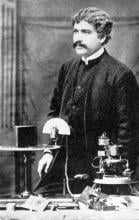
Sir Jagadish Chandra Bose (30 November 1858 – 23 November 1937) was a scientist and inventor who contributed to a wide range of scientific fields such as physics, botany and biology.
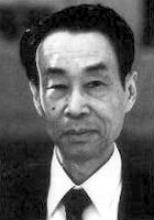
Motoo Kimura (13 November 1924 – 13 November 1994) was a Japanese theoretical population geneticist who is best remembered for developing the neutral theory of molecular evolution.

Indian organic chemist Asima Chatterjee (1917 to 2006) studied the medicinal properties of plant products, especially compounds known as vinca alkaloids.
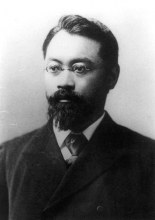
The techniques that make industrial pearl culturing possible were developed over a century ago at the Misaki Marine Biological Station in Japan. The station’s first director, Professor Kakichi Mitsukuri, emphasized to Kokichi Mikimoto in 1890 that stimulating pearl sac formation was important for pearl growth, and they went on to successfully develop methods for culturing pearls.
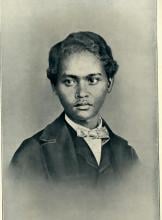
Little is known about Ali, a teenager from Sarawak, Malaysia, who was chief assistant to the famous naturalist Alfred Wallace. Most of what is known comes from Wallace’s writings. Ali accompanied Wallace on expeditions throughout the Malay Archipelago from December 1855 to February 1862.
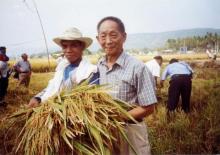
Chinese agronomist Yuan Longping (7 September 1930 – 22 May 2021) developed the first varieties of the high-yield, hybrid rice that brought food security to multiple countries including China, which had been ravaged by food shortages as recently as the mid-20th century.
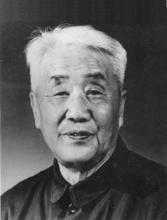
Chinese palaeontologist, archaeologist and anthropologist Pei Wenzhong (January 19, 1904 – September 18, 1982) is regarded as a founder of Chinese anthropology.
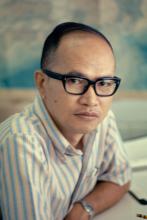
Research by Filipino plant scientist Benito Vergara (23 June 1934 – 24 October 2015) on the physiology of rice led to the development of deep-water and cold-tolerant rice varieties. Vergara also made several contributions to expanding public awareness of rice science.
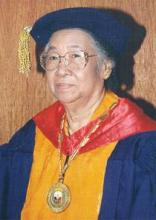
Eminent Filipina scientist and educator Clara Lim-Sylianco (18 August 1925 – 23 July 2013) is remembered for her extensive research on mutagens – often-carcinogenic agents that permanently alter genetic materials such as DNA – antimutagens and bioorganic mechanisms.

Filipina chemist María Orosa (29 November 1892–13 February 1945) fought malnutrition and food insecurity in the Philippines by devising over 700 culinary creations including Soyalac, a nutrient rich drink made from soybeans, and Darak, rice cookies packed with Vitamin B1, which could prevent beriberi disease caused by Vitamin B1 deficiency. She was also a partisan of the guerrilla movement resisting Japanese occupation during World War II, and died after being struck by shrapnel while working in her laboratory during the Battle of Manila.
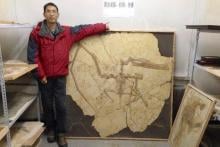
Lü Junchang (1965–9 October 2018) was a Chinese palaeontologist who is remembered as one of the most important dinosaur researchers of the last 50 years. Lü was an expert on reptiles that lived during the Mesozoic period about 252 million years ago. Cumulatively, Lü and his colleague/competitor Xiaolin Wang described and named more than 50 new species of flying dinosaurs known as pterosaurs.
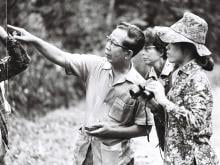
Thai physician and conservationist Boonsong Lekagul (1907 – 1992) made major contributions to the preservation of his country’s wildlife.

The research of Filipino pharmaceutical chemist Luz Oliveros-Belardo (3 November 1906 – 12 December 1999) focussed on essential oils and other chemicals derived from native Philippine plants.

Birbal Sahni (14 November 1891 – 10 April 1949), a pioneer of Indian palaeobotanical research, and founder of what is now the Birbal Sahni Institute of Palaeosciences in Lucknow, made multiple contributions to the study of prehistoric plants. These include the discovery of a new group of fossil gymnosperms (named Pentoxylae), reconstruction of the extinct Williamsonia sewardiana plant, and description of a new type of petrified wood from the Jurassic age.

Ground-breaking cancer researcher Kamal Jayasing Ranadive (8 November 1917 – 11 April 2001) advanced the understanding of the causes of leukaemia, breast cancer and oesophageal cancer through the use of animal models. She was also among the first to recognise how susceptibility to cancer is linked to tumour-causing interactions between hormones and viruses.
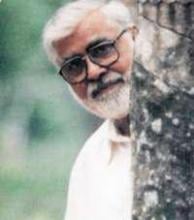
Known as Mr. Natural Rubber, chemist and researcher B. C. Shekhar (17 November 1929 – 6 September 2006) introduced a number of technical innovations that helped put Malaysia’s natural rubber industry on the world map.
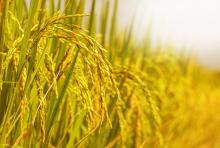
In his over 30 year career in rice research, Munshi Siddique Ahmad (1924 – 19 October 2011) developed more than 30 varieties of high-yielding rice, including the BRRI Shail strain, which was responsible for increasing the rice production of Bangladesh from 8 million tonnes in 1965 to 20 million tonnes in 1975.
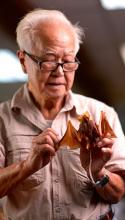
Lim Boo Liat (21 August 1926 – 11 July 2020), a leading authority in the conservation of Malaysia’s biological diversity, had his initial interest in the outdoors piqued by nature lessons in school. Lim, who helped found the National Zoo of Malaysia and re-establish the Malaysian Nature Society, had a particular interest in researching zoonotic diseases associated with small animals.
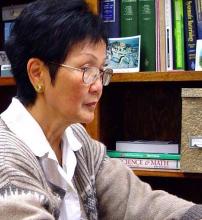
Roseli Ocampo-Friedmann (23 November 1937 – 4 September 2005) was a Filipino-American scientist whose research focused on cyanobacteria and microorganisms that inhabit extreme environments.
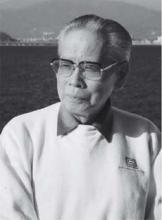
A Japanese surgeon, Tetsuzo Akutsu (20 August 1922 – 9 August 2007) built the first artificial heart capable of keeping an animal alive.
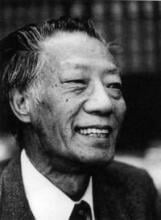
Min Chueh Chang (10 October 1908 – 5 June 1991) was a Chinese-American biologist who studied fertilization in mammalian reproduction.
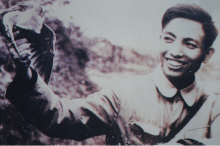
Võ Quý (1929 – 2017) was a Vietnamese ornithologist who studied the destruction of tropical forests and agricultural lands in Vietnam by Agent Orange, a herbicide used by the U.S. military during the Vietnam War. In addition to planning forest restoration projects, Quý rediscovered the rare eastern sarus crane, an endangered species that had vanished during the war.