
Innovation
News

22 Oct 2026
Osaka Metropolitan University
A new polymerization method harnesses Laplace pressure generated within microscopic droplets to synthesize degradable plastics.

20 Oct 2026
Duke-NUS Medical School
The national reference gives innovators, investigators and ethics committees an internationally aligned benchmark for device study applications, strengthening Singapore’s position as a trusted location for medtech clinical research.
20 Oct 2026
Lingnan University
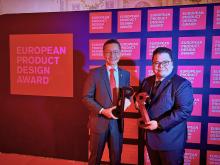
Humanitarian innovation and invention projects developed by the United Nations University Hub on Humanitarian Innovation and Technology at Lingnan University (UNU Hub at Lingnan University) have won five awards at the 2026 edition of the European Product Design Award (EPDA). “Incuvia - Modular Foldable Baby Incubator” received three, including the “Design for Humanity” Special Award, which selects only 10 winners a year, and the “Top Design” Special Award in the Industrial / Healthcare: Medical Products Category, the highest honour in the category. “PureAura - Portable Mini Energy-saving Air Purifier” also received two awards. Lingnan University is the only one of the Hong Kong SAR’s eight UGC-funded universities selected as one of the 10 main winners of the year, bringing honour to the Hong Kong SAR.
16 Oct 2026
Lingnan University
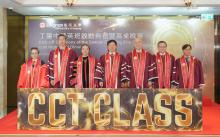
Lingnan University has announced the admission of 14 outstanding students to its inaugural Samuel C.C. Ting Elite Class (CCT Class). Selected from high-achieving undergraduates awarded University Entrance Scholarships, the students come from eight countries and regions, namely the Hong Kong SAR, the Chinese Mainland, Ethiopia, Kyrgyzstan, Nepal, the Philippines, Russia, and the UK. They will receive four-year full-tuition scholarships, a guaranteed hostel place with fees covered for four years, dedicated one-to-one mentorship, artificial intelligence (AI) training provided by leading multinationals, precedence in frontier research projects, opportunities to meet Nobel laureates and leading scholars, and priority for admission to postgraduate programmes.
15 Oct 2026
Saint Francis University
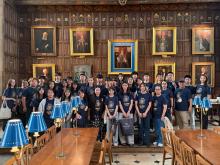
Nine students from Saint Francis University (SFU) took part in the GYEI Oxford-Cambridge Academic Program 2026, organised by the Global Youth Empowerment Initiative (GYEI), in August this year. The 12-day academic and cultural exchange at the Universities of Oxford and Cambridge allowed students to experience the academic atmosphere of world-leading institutions firsthand and broaden their global horizons.
15 Oct 2026
Sungkyunkwan University
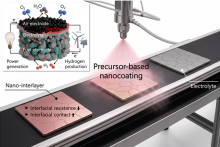
Nanocoating technology reduces interfacial resistance between electrode and electrolyte, maximizing efficiency in both hydrogen production and power generation
13 Oct 2026
Lingnan University
Lingnan University has officially opened applications for its undergraduate programmes for the 2027/28 academic year. Starting from today, both Chinese Mainland Gaokao candidates and students holding international qualifications may submit their applications through the University's online system.
09 Oct 2026
Lingnan University
Lingnan University has achieved remarkable results in the 2026 edition of the World’s Top 2% Scientists list published by Stanford University. The 54 Lingnan scholars named represent an increase of about 25 per cent over last year’s 43. Among them, 21 are ranked in the world's top 100, and six are ranked first either in China or the Hong Kong SAR in their respective disciplines, underscoring international recognition of Lingnan’s academic influence as it transforms into a research-oriented liberal arts university comprehensive in arts and sciences in the digital era.

09 Oct 2026
Asia Research News
DNA breakdown in real time, How crystals bend without breaking, Mini-brain for Parkinson’s,
Heavy water helps weather forecasts, Exploring fish diversity and Mindfulness and self-stigma. Read it all in this month's Editor's Choice
08 Oct 2026
Sungkyunkwan University
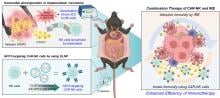
Offering a New Strategy for Refractory Solid Tumors
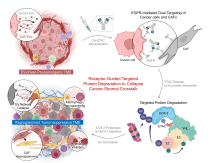
07 Oct 2026
Sungkyunkwan University
Targeted platform simultaneously seeks out cancer cells and surrounding cells that support tumor growth
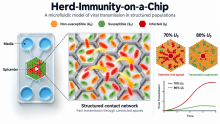
07 Oct 2026
Sungkyunkwan University
A compact, centimeter-scale microfluidic chip uses 444 interconnected hexagonal microchambers to model population density, spatial contact, and social distancing.
07 Oct 2026
Sungkyunkwan University
World-class p-type perovskite transistor performance achieved; research published in Nature
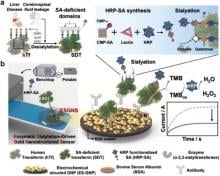
06 Oct 2026
Sungkyunkwan University
New sensing technology uses enzymes to selectively distinguish subtle differences in sugar structures on protein surfaces
06 Oct 2026
Sungkyunkwan University
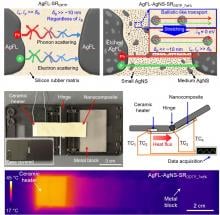
Uniform dispersion of 3.4-nanometer silver particles in stretchable rubber enhances both thermal and electrical conductivities under strain
06 Oct 2026
Lingnan University
The Short-legged Horned Toad (Boulenophrys brachykolos), listed as endangered on the International Union for Conservation of Nature (IUCN) Red List of Threatened Species, is the only known small frog species in Hong Kong belonging to the genus Boulenophrys of the family Megophryidae. A study led by the Division of Science at Lingnan University has found that the Lantau Island population of the Short-legged Horned Toad shows clear genetic divergence from other local populations, along with several notable differences in the mating calls of males. The research team suggests that the Lantau population represents an early stage of speciation. Geographical isolation of Lantau Island from other landmasses likely contributed to these unique evolutionary traits. The team recommends treating the Lantau population as a separate conservation unit in future.
02 Oct 2026
Lingnan University
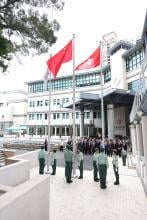
Lingnan University held a flag-raising ceremony to celebrate the 77th anniversary of the founding of the People’s Republic of China on the University campus today, 1 October, starting at 10:30 am. Honoured guests included the Hon Andrew Yao Cho-fai, Council Chairman of Lingnan University; Dr Patrick Wong Chi-kwong, Chairman of the Court; Ms Carrie Leung Ka-lai, Treasurer of the Council; Mr Sammy Leung Chung-sing, Council Member; Prof William Shum Wai-lam, Council Member; Mr David Kwok Sek-chi, Member of the Court; Prof S. Joe Qin, President and Wai Kee Kau Chair Professor of Data Science; Prof Raymond Chan Hon-fu, Vice-President (Academics) cum Provost and Lam Man Tsan Chair Professor of Scientific Computing; Prof Xin Yao, Vice-President (Research and Innovation) and Tong Tin Sun Chair Professor of Machine Learning; and Mr Ernest Chan Chi-man, Vice-President (Administration), and Lingnan senior management, staff, and students.

30 Sep 2026
Lingnan University
Lingnan University has achieved outstanding results in the newly released Times Higher Education (THE) World University Rankings 2027. Among 2,297 institutions across 118 countries and regions, Lingnan made a remarkable leap from the 301–350 band to 257th, climbing nearly 100 places to show the highest improvement among the Hong Kong SAR’s eight UGC-funded universities. This demonstrates widespread international recognition of the University’s excellence in quality education, industry-academic-research collaboration, internationalisation, and the nurturing of research-oriented liberal arts talent in the digital era.
30 Sep 2026
Lingnan University
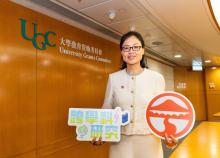
The University Grants Committee (UGC) of the Hong Kong Special Administrative Region presented the 2026 UGC Teaching Award to Prof Helen Geng Hongyan, Assistant Professor of Teaching of the Division of Science at Lingnan University. She received the award in the General Faculty Members category. The award recognises her student-centred, innovative teaching approach, which breaks through traditional boundaries between the arts and sciences, incorporates artificial intelligence (AI) and Service-Learning in science education, stimulates students’ interest in interdisciplinary learning, and demonstrates excellence in teaching.

25 Sep 2026
Osaka Metropolitan University
New laser-powered technology rapidly gathers microscopic targets for faster, more sensitive and selective detection

22 Sep 2026
Sungkyunkwan University
Combines human brainstem organoid with ultra-precision optical sensor to track Parkinson's treatment response continuously over 12 hours

17 Sep 2026
Ateneo de Manila University
Ateneo study finds sari-sari stores quietly fill medicine-access gaps in remote communities, while exposing the limits of informal care.
17 Sep 2026
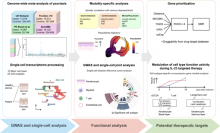
Sungkyunkwan University
Combining large-scale genetic data with single-cell analysis, the team pinpoints the key cells and genes driving psoriasis
17 Sep 2026
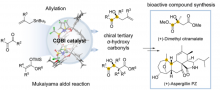
Sungkyunkwan University
Simple starting materials converted into complex ring structures, with applications to natural product synthesis
16 Sep 2026
Lingnan University
Prof S. Joe Qin, President and Wai Kee Kau Chair Professor of Data Science at Lingnan University, welcomes the release of Hong Kong’s First Five-Year Plan and the 2026 Policy Address delivered by Chief Executive of the Hong Kong SAR Government, Mr John Lee, and responds as follows:

15 Sep 2026
Ateneo de Manila University
Thousands flocked to Ateneo’s MIBF 2026 booth for celebrity signings, diverse books and journals, and a lively celebration of reading.
15 Sep 2026
Lingnan University
Lingnan University has achieved outstanding results in the newly released 2026 ShanghaiRanking's Global Ranking of Academic Subjects (GRAS), with eight subjects on the list, nearly three times as many as last year. Five subjects, including Computer Science and Engineering, and Electrical and Electronic Engineering, made the list for the first time, and Artificial Intelligence, which made its debut on the list last year, saw a significant leap in its ranking, breaking into the global top 100 for the first time in the 76th to 100th band. This achievement underscores Lingnan’s dedication to advancing interdisciplinary research in artificial intelligence and data science, and demonstrates widespread recognition from the international academic community.
15 Sep 2026
Sungkyunkwan University
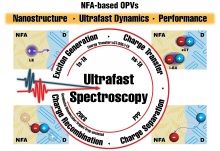
Advancing the Future of Renewable Energy: Decoding the Secret Dynamics of Organic Photovoltaics

15 Sep 2026
Asia Research News
AI-powered cyborg cockroaches, Undiagnosed kidney disease, Plants as genetic engineers, AI and mental workload, Carnivorous plants confirm Darwin prediction, Moisture conveyor belt and Forever chemicals in furry friends. Read all in the latest Editor's Choice.
14 Sep 2026
Lingnan University
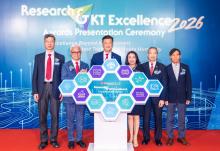
Lingnan University recently hosted the Research and Knowledge Transfer Excellence Awards Presentation Ceremony 2026. At the “Excellence Beyond Achievement Where Technology Meets Humanity” ceremony, 53 Lingnan scholars were presented with the Outstanding Researcher Award, the Early Career Researcher Award, and the Research & Knowledge Transfer Fund Award for their exceptional contributions to academic research and knowledge transfer that advance societal development. The University’s overall innovation and technology performance reached new heights in the 2025/26 academic year, with the number of granted patents for research projects increasing sixfold year-on-year to set a new record.
Events

16 Dec 2026
Researchers, industry specialists and innovators will gather in Bangkok for the 7th International Conference on Materials Research and Innovation (7th ICMARI 2026), bringing together expertise in polymers, rubber, circular materials and advanced materials.

11 Aug 2026
Indonesia Technology & Innovation (INTI) Asia 2026 is Indonesia's premier international exhibition and conference dedicated to technology, innovation, and digital transformation.
26 Aug 2026
TechInnovation is IPI Singapore’s engagement platform that empowers enterprises to discover technologies, connect with partners, and turn opportunities into business outcomes. AIMX Singapore serves as the go-to platform to drive AI adoption and deployment across industries and sectors.
29 Jun 2026
This talk for The Newcastle University in Singapore Summer Camp 2026 undergraduates provided an Overview of Singapore’s commitment and challenges to achieving Net-Zero Carbon Emissions, the causes and effects of Global Warming and Environmental Sustainability. Monday, 29 June 2026, 2.15-3.15pm, Venue: Ngee Ann Academy, 391A Orchard Rd, Tower A, Singapore 238873.
08 Jul 2026
LEAP East offers a unique opportunity to engage with the forefront of the global tech industry, showcasing technological advancements designed to drive positive change worldwide. It serves as a catalyst for innovation and cross-border collaboration, bringing together industry leaders, innovators, and decision-makers.
Attendees and exhibitors can expect a vibrant tech ecosystem to explore, supported by key government authorities committed to strengthening the future of technology in Asia.

17 Sep 2026
Step into the Future at Taiwan Innotech Expo 2026!
Get ready for one of Asia’s premier innovation events — Taiwan Innotech Expo (TIE), happening September 17–19, 2026 at Taipei World Trade Center Hall 1!
09 Apr 2026
Market Validate • Technology Transfer • Foresight Technology
Celebrating the Silver Jubilee 25 Years of Innovation Excellence
04 Nov 2026
Explore a future of human-centred education powered by AI and technology. Discover innovative tools and platforms in a free-to-attend exhibition featuring over 200+ education technology providers.
09 Apr 2026
GITEX AI ASIA, Asia’s Largest and Most Global Tech, Startup & Digital Investments Event, returns to Marina Bay Sands, Singapore on 9–10 April 2026.
18 May 2026
For over 35 years, ITEX has been the premier event in Asia for inventors and investors to connect and collaborate. Held at the KL Convention Centre in Malaysia, ITEX offers a unique opportunity to showcase your inventions to a global audience and propel your ideas forward.
21 Aug 2026
We are thrilled to announce that the 12th World Sustainability Forum (WSF-12) — a prestigious and long-running global event — will be held in Hong Kong from 21–24 August 2026.
24 Nov 2025
Learn about groundbreaking scientific discoveries and simple lifestyle habits that can help prevent or even reverse common chronic diseases such as diabetes and hypertension — while turning back your biological clock.

21 Jan 2026
From January 21–23, 2026, join the global education community at COEX Hall A & B in Seoul for Education Korea 2026, a premier event exploring the future of education and EdTech.

28 Oct 2025
The global pursuit of sustainability demands not just dialogue but decisive innovation. Answering this call, the MTE 2025: Sustainable Development Goals International Innovation Awards (MTE: SDG 2025) returns this October with a powerful agenda. Taking place virtually from 28–30 October 2025, the event stands as a premier platform that elevates innovations with real-world impact and high commercialization potential.

29 Oct 2025
TechInnovation 2025 is Asia’s premier platform for innovation and business transformation, organised by IPI Singapore, a subsidiary of Enterprise Singapore. Now in its 13th edition, the event will take place from 29 - 31 October 2025 at Sands Expo & Convention Centre, Level 3 Heliconia and Hibiscus Ballroom, Singapore, bringing together global innovators, startups, corporate leaders, and government agencies for three days of insights, networking, and partnerships.

26 Aug 2025
Step into the future of global healthcare at MTE 2025: Advanced Healthcare and Life Sciences International Innovation Awards & Expo (AHLS IIAE) — a world-class virtual platform where groundbreaking innovation meets human-centered care.


11 Sep 2025
Join us in celebrating our 25th anniversary at the #GIS25: Genome Innovation and Precision Medicine Conference!

05 Nov 2025
Explore innovative solutions from 250 of the world’s top education technology providers, alongside 60 cutting-edge EdTech start-ups, all showcasing their latest advancements in a free-to-attend exhibition.

23 Jul 2025
2025 BIO Asia–Taiwan International Conference and Exhibition will be held on July 23-27, 2025 at the Nangang Exhibition Center, Taipei, Taiwan with the theme “Next Wave of Biotech Opportunities”.
20 Feb 2025
Prepare to witness groundbreaking innovations and technological advancements at the Malaysia Technology Expo (MTE) 2025, the premier platform for showcasing transformative technologies aimed at fostering a sustainable world. This highly anticipated event will take place from 20-22 February 2025 at the World Trade Centre Kuala Lumpur, offering a hybrid format that combines the best of both physical and virtual experiences.
10 Jan 2025
The UMDT Demo Day is the culmination of Universiti Malaya's prestigious Deep Tech Accelerator Programme, a transformative initiative designed to empower researchers, scientists, and innovators.
29 May 2025
For over 35 years, ITEX has been the premier event in Asia for inventors and investors to connect and collaborate. Held at the KL Convention Centre in Malaysia, ITEX offers a unique opportunity to showcase your inventions to a global audience and propel your ideas forward.

11 Nov 2024
Looking to make a meaningful impact on regional research and scientific capacity development in the Asia-Pacific region? The APN’s 2024 Call for Proposals invites you to submit proposals that tackle global change challenges, foster regional partnerships and support the development of sustainable solutions.

16 Oct 2024
The Malaysia Technology Expo (MTE) 2024: Sustainable Development Goals International Innovation Awards & Expo (SDG IIAE) stands at the forefront of global efforts to foster innovative solutions that advance the United Nations Sustainable Development Goals (SDGs). As we navigate the critical decade of action towards 2030, this prestigious event serves as a beacon of inspiration, showcasing groundbreaking innovations and facilitating meaningful dialogue among the brightest minds across the globe.

28 Oct 2024
Asia's premier technology-matching platform which connects the innovation and technology ecosystems from Singapore and beyond, TechInnovation, IPI’s flagship brokerage event, will return to Singapore for its 12th edition.

02 Oct 2024
Join us in Kuala Lumpur, Malaysia from 2-3 October 2024 for Bett Asia 2024. Our Leadership Summit and Expo provides a unique platform for ministers, senior leaders and changemakers to connect meaningfully and engage deeply in impactful conversations, set against an intimate and innovative backdrop.

17 Oct 2024
Taiwan Innotech Expo (tie) is one of the leading invention shows in Asia. The event will take place from October 17-19, 2024 at Taipei World Trade Center Hall 1.

26 Mar 2025
Since its inception in 2012, Biologics World Taiwan has experienced remarkable success by gathering over 300 pioneers in the biologics industry from Taiwan and around the world.
Researchers
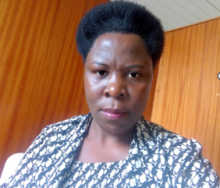
I am a Ugandan female National, an educator and a researcher, experienced in teaching, research and mentorship. I hold a PhD in physics Education with a masters of science in Physics. https://scholar.google.com/citations?user=Z3CH99gAAAAJ&hl=en
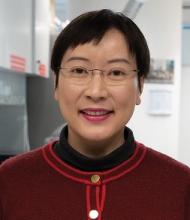
City University of Hong Kong (CityUHK)
Prof. Lin focuses on technological advancement of circular waste-based biorefinery for sustainable production of chemicals, materials and fuels, that contributes to reduction of environmental burden of waste disposal and resource efficiency.
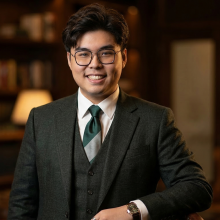
Galvin is a multidisciplinary academic, educator, and entrepreneur with a proven track record of excellence in business, education, and innovation.
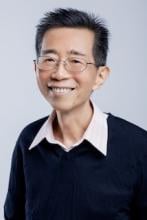
Dr Chia is a longevity scientist engaged in disease-free longevity, and preventing and reversing diabetes, hypertension, dementia, heart disease and cancer remission. Through breakthrough discoveries, it’s not science fiction anymore!

Felix Christian Haas is a development consultant, advisor and researcher with interest in the interface of business and politics/policy in Southeast Asia (specifically Myanmar) and Europe. He is open to any collaboration, joint publications or to providing commentary on economic development related issues in Asia (e.g. trade, investment), on geopolitical and international relations as well as on issues related to Myanmar.
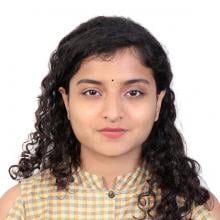
I'm a climate communicator, aspiring wildlife conservationist, and dance artist working in the world's largest NGO.

Dr. Syed is accomplished environmental and climate scientists. He supervised PhD and Post-Doc researches on climate, environment, water, remote sensing (optical & RADAR, hyperspectral, LiDAR) atmospheric modeling.

Shimi Chak is a climate advocate and Indigenous youth leader. Her interest lies in renewable energy, policy advocacy, and community-led solutions, helping refugees and Indigenous groups adapt to climate change and preserve traditions.

Tahiya Tasnim is a distinguished academic researcher and educator driving research-driven interventions that bridge academia and communities. She specializes in education, planetary health, and sustainability, empowering marginalized communities through research, developing curricula, and advocacy.

Sadia Salim is an environmental and public health researcher working on climate change, planetary and environmental health, WASH, sustainability, education and empowerment, and grassroots community development and resilience in vulnerable regions.

A dynamic force in social creative catalyst, navigates the global landscape with a unique perspective, work across disciplines in sustainability, creativity, human factors, entrepreneurship and innovation.

National Institute for Materials Science (NIMS)
Group Leader at the Magnetic Functional Device Group, the Research Center for Magnetic and Spintronic Materials at the National Institute for Materials Science (NIMS), Japan.

Professor Mikiya Fujii is an expert on materials informatics at Nara Institute of Science and Technology (NAIST), Japan.

Daegu Gyeongbuk Institute of Science and Technology (DGIST)
Prof. In-Kyu Moon is a Professor at the Department of Robotics Engineering, DGIST, and the Director of DGIST-Swiss CHUV-EPFL Global Research Lab

I'm currently an adjunct professor at the Asian Institute of Management in Manila. I crafted a course called Art-Science Thinking based on my dissertation on Culture as Transformative Innovation: Filipino Care in the Practice of Family Medicine. Since 2017, my consultancy & studio has been collaborating with the Dept. of Science & Technology in the Philippines.

Dr Sarkar is a senior research fellow at the Murdoch Children's Research Institute in Melbourne, Australia. She is
actively engaged in collaborating with academic and industry stakeholders and leads multiple projects for the development of novel therapeutics/vaccines to tackle antimicrobial resistance.
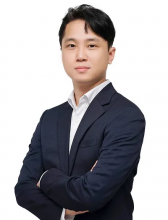
Daegu Gyeongbuk Institute of Science and Technology (DGIST)
Professor Dae-hyun Nam is dedicated to advancing electrocatalysts for sustainable energy conversion and storage. By leveraging expertise in materials science, engineering, and chemistry, he aims to address pressing energy and environmental challenges, paving the way for a sustainable future.

ChM. Ts. Dr. Uganeeswary Suparmaniam, AMIChemE (UK) is a multiple award-winning young scientist, sustainability advocate, and climate activist attached to the HICoE-Centre for Biofuel and Biochemical Research, Institute of Self-Sustainable Building, PETRONAS University of Technology, Malaysia.
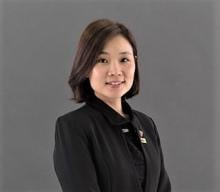
Dr. Chong Li Choo is an accomplished academic, Associate Professor at Taylor's University, expert in food technology, and innovative product design. Award-winning researcher, director for Food Security & Nutrition Impact Lab, and impactful leader in the field.
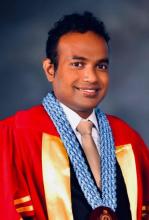
Chameera Udawattha, a pioneering architect and researcher, investigates eco-friendly construction materials, exploring alternative solutions for construction and building issues. His work promotes sustainable building practices.
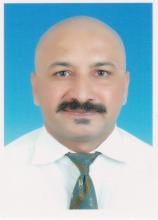
Sarfraz Ahmed is working as a Scientist at Harvard Medical School's Mass General Hospital. His research interests include Diseases and Therapeutics especially focus on Cancer and Therapeutics, Cancer Immunology, Photomedicine, Photo compounds and Photodevices for Cancer, Cancer and Natural agents, Nanomedicine and Nanotechnology for Cancer, Drugs resistance, Microbiology (Bacteriology & Virology) and Drugs resistance
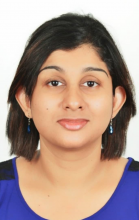
Universiti Sains Malaysia
Angeli Ambayya is a Scientific Officer (Ministry of Health, Malaysia). She is passionate about research in the field of hemato-oncology.
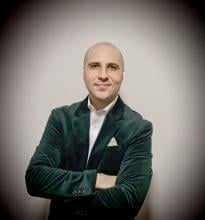
Angel Investor and a Vision-driven entrepreneur/executive with career-long record of business growth and innovation.
Dr Fabien Grasset is a Research Director at the Centre national de la recherche scientifique (CNRS) and currently serving as Director of Research for Rennes Institute of Chemical Sciences (ISCR). His areas of expertise include materials chemistry, solid-state chemistry, nanotechnology, nanoparticles, optical coatings and thin films.
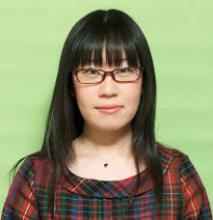
National Institute for Materials Science (NIMS)
Dr Naoka Nagamura is senior researcher at the National Institute for Materials Science (NIMS) and visiting associate professor at Tokyo University of Science. She researches advanced materials, electrochemistry and photoemission spectroscopy.
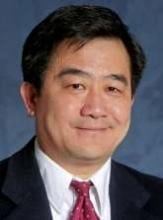
City University of Hong Kong (CityUHK)
Professor Alex Jen Kwan-yue is Chair Professor of Materials Science and Director of the Hong Kong Institute for Clean Energy at the City University of Hong Kong (CityU). His expertise includes the use of molecular engineering and self-assembly for hybrid materials.
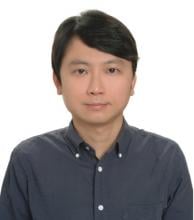
Dr. Zong-Hong Lin is a Professor at the Institute of Biomedical Engineering, National Tsing Hua University and at the Department of Biomedical Engineering, National Taiwan University.
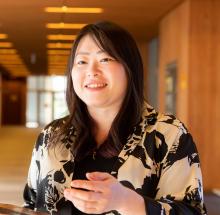
Kavli Institute for the Physics and Mathematics of the Universe (Kavli IPMU)
Miho Katsuragawa is a specially appointed project researcher at Kavli IPMU. Her areas of expertise include experimental physics, detector/instrument development, medical application of gamma-ray imaging, and high energy astrophysics.
Giants in history

Tu Youyou (born 30 December 1930) is a Chinese pharmaceutical scientist who was awarded the 2015 Nobel Prize in Physiology or Medicine for her work on extracting artemisin from sweet wormwood to treat malaria.
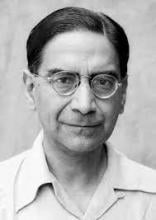
Physicist and statistician Prasanta Chandra Mahalanobis (29 June 1893– 28 June 1972), who founded the Indian Statistical Institute in 1931, is known for his pioneering application of statistics to practical problems.

Tetsuya Theodore Fujita (23 October 1920 – 19 November 1998) was a Japanese-American meteorologist who created the Fujita scale that classifies the strength of tornadoes based on damage to structures and vegetation.
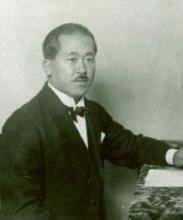
In 1915, Koichi Ichikawa along with pathologist Katsusaburo Yamagiwa became the first to prove that chronic exposure to chemicals can cause cancer.
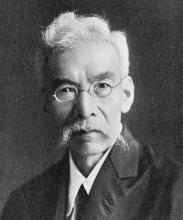
In 1915, pathologist Katsusaburo Yamagiwa and his research assistant Koichi Ichikawa became the first to prove that chronic exposure to chemicals can cause cancer.

Rajeshwari Chatterjee (24 January 1922 – 3 September 2010) was the first female engineer from Karnataka in India.
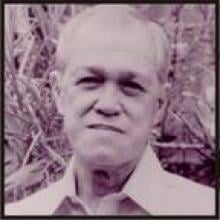
Julian Arca Banzon (13 March 1908 – 13 September 1988) was a biochemist from the Philippines who was a pioneer in alternative fuel research. Banzon investigated the use of indigenous crops as sources of renewable fuels and chemicals.

Chien-Shiung Wu (31 May 1912 – 16 February 1997) was an experimental physicist who made several important contributions to nuclear physics. Wu worked on the Manhattan Project – a top-secret program for the production of nuclear weapons during World War II and helped to develop a process for separating uranium into U235 and U238.
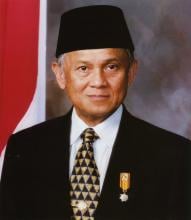
Bacharuddin Jusuf Habibie (25 June 1936 – 11 September 2019) was an Indonesian engineer who was President of Indonesia from 1998 to 1999.

Abdus Suttar Khan (c. 1941 – 31 January 2008) was a Bangladeshi engineer who spent a significant part of his career conducting aerospace research with NASA, United Technology and Alstom.
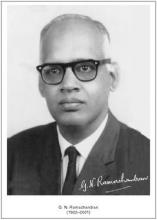
Gopalasamudram Narayanan Ramachandran (8 October 1922 – 7 April 2001) is best known for developing the Ramachandran plot to understand the structure of short chains of amino acids, known as peptides.

Srinivasa Ramanujan (22 December 1887 – 26 April 1920) was a math prodigy and widely considered one of India’s greatest mathematicians. Despite having almost no formal training in mathematics, he made substantial contributions to mathematical analysis, number theory, infinite series and continued fractions.
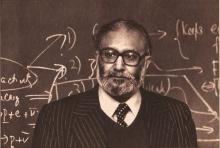
Mohammad Abdus Salam (29 January 1926 – 21 November 1996) was a theoretical physicist and the first Pakistani to receive a Nobel Prize in science.
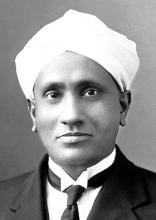
Sir Chandrasekhara Venkata Raman (7 November 1888 – 21 November 1970) was an Indian physicist who performed ground-breaking research in the field of light-scattering.
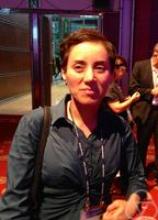
Mathematician Maryam Mirzakhani (12 May 1977 – 14 July 2017) was the first and only woman and Iranian to date to win the Fields Medal in 2014 for her work on curved surfaces.
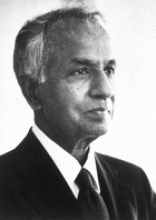
Subrahmanyan Chandrasekhar (19 October 1910 – 21 August 1995) was an Indian astrophysicist who studied the structure and evolution of stars.
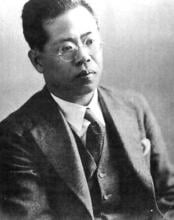
Woo Jang-choon (8 April 1898 – 10 August 1959) was a Korean-Japanese agricultural scientist and botanist.
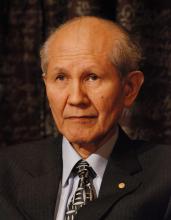
Osamu Shimomura (27 August 1928 – 19 October 2018) was a Japanese organic chemist and marine biologist who dedicated his career to understanding how organisms emitted light.
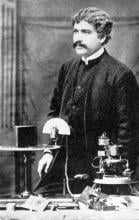
Sir Jagadish Chandra Bose (30 November 1858 – 23 November 1937) was a scientist and inventor who contributed to a wide range of scientific fields such as physics, botany and biology.
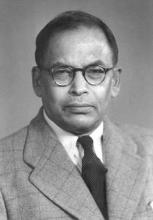
Meghnad Saha (6 October 1893 – 16 February 1956) was an Indian astrophysicist best known for formulating the Saha ionization equation which describes the chemical and physical properties of stars.
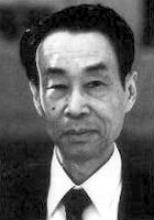
Motoo Kimura (13 November 1924 – 13 November 1994) was a Japanese theoretical population geneticist who is best remembered for developing the neutral theory of molecular evolution.
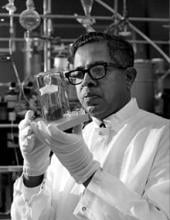
Cyril Andrew Ponnamperuma (16 October 1923 – 20 December 1994) was a Sri Lankan chemist who was interested in the origins of life on Earth. His research in chemical evolution showed how inanimate molecules may have given rise to the building blocks of life – a process known as abiogenesis.
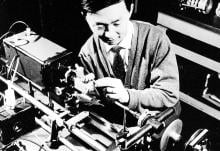
Charles Kuen Kao (Nov. 4, 1933 to Sept. 23, 2018) was an engineer who is regarded as the father of fibre optics. His work in the 1960s on long distance signal transmission using very pure glass fibres revolutionized telecommunications, enabling innovations such as the Internet.

The field of solid-state ionics originated in Europe, but Takehiko Takahashi of Nagoya University in Japan was the first to coin the term ‘solid ionics’ in 1967. ‘Solid-state ionics’ first appeared in 1971 in another of his papers, and was likely a play on ‘solid-state electronics’, another rapidly growing field at the time.
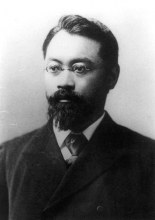
The techniques that make industrial pearl culturing possible were developed over a century ago at the Misaki Marine Biological Station in Japan. The station’s first director, Professor Kakichi Mitsukuri, emphasized to Kokichi Mikimoto in 1890 that stimulating pearl sac formation was important for pearl growth, and they went on to successfully develop methods for culturing pearls.
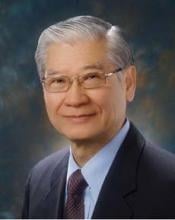
David T. Wong (born 1936) is a Hong Kong-born American neuroscientist who is best known for discovering the antidepressant drug fluoxetine, better known as Prozac.

Japanese physicist Ukichiro Nakaya (1900-1962) made the world’s first artificial snowflakes. He started his research on snow crystals in the early 1930s at Hokkaido University, where there is an unlimited supply of natural snow in winter. By taking over 3,000 photographs, he established a classification of natural snow crystals and described their relationship with weather conditions.
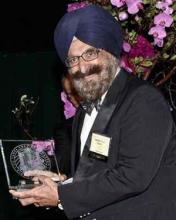
Physicist Narinder Singh Kapany (31 October 1926 – 4 December 2020) pioneered the use of optical fibres to transmit images, and founded several optical technology companies. Born in Punjab, India, he worked at a local optical instruments factory before moving to London for PhD studies at Imperial College. There, he devised a flexible fibrescope to convey images along bundles of glass fibres.

Wu Lien-teh (10 March 1879 – 21 January 1960) was a Malaysian-born doctor who invented a mask that effectively suppressed disease transmission. Winning the prestigious Queen’s Scholarship enabled Wu to become the first Chinese student to study medicine at the University of Cambridge.
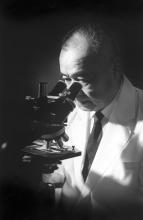
Minoru Shirota (April 23, 1899 – March 10, 1982) was a Japanese microbiologist who invented the popular fermented drink Yakult.
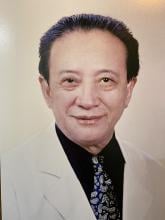
After witnessing death and suffering as a youth in his home village during World War II, Nguyễn Tài Thu (6 April 1931 – 14 February 2021) set his sights on alleviating pain by becoming a doctor. After studying Traditional Chinese Medicine in China in the 1950s, Thu returned to Vietnam to serve in military hospitals. Eventually, he became the country’s foremost practitioner of acupuncture, a technique he first learned by inserting needles into himself.

Fe Villanueva del Mundo (27 November 1911 – 6 August 2011) was a Filipina paediatrician who founded the Philippines’ first paediatric hospital.
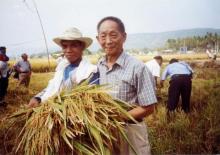
Chinese agronomist Yuan Longping (7 September 1930 – 22 May 2021) developed the first varieties of the high-yield, hybrid rice that brought food security to multiple countries including China, which had been ravaged by food shortages as recently as the mid-20th century.
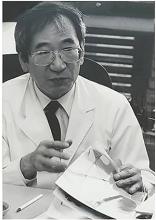
Korean parasitologist Seung-Yull Cho (16 November 1943 – 27 January 2019) is remembered largely for his pioneering works to control infections caused by helminthic parasites and his contribution to journal publishing.
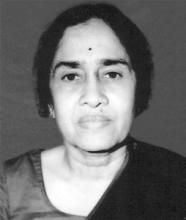
In 1939, biochemist Kamala Sohonie (18 June 1911 – 28 June 1998) became the first woman to be accepted into the Indian Institute of Science (IISc).

Filipino chemist and pharmacist Manuel A. Zamora (29 March 1870 – 9 July 1929) is best remembered for his discovery of the tiki-tiki formula to combat beriberi, a disease caused by Vitamin B1 deficiency.
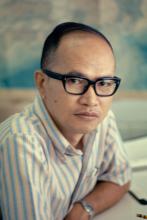
Research by Filipino plant scientist Benito Vergara (23 June 1934 – 24 October 2015) on the physiology of rice led to the development of deep-water and cold-tolerant rice varieties. Vergara also made several contributions to expanding public awareness of rice science.

Filipina chemist María Orosa (29 November 1892–13 February 1945) fought malnutrition and food insecurity in the Philippines by devising over 700 culinary creations including Soyalac, a nutrient rich drink made from soybeans, and Darak, rice cookies packed with Vitamin B1, which could prevent beriberi disease caused by Vitamin B1 deficiency. She was also a partisan of the guerrilla movement resisting Japanese occupation during World War II, and died after being struck by shrapnel while working in her laboratory during the Battle of Manila.
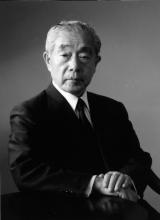
Japanese chemist Kenichi Fukui (4 October 1918 – 9 January 1998) was the first Asian scientist to be awarded the Nobel Prize in Chemistry. Together with Roald Hoffman, he received this honour in 1981 for his independent research into the mechanisms of chemical reactions.
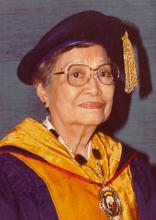
The research of Filipino pharmaceutical chemist Luz Oliveros-Belardo (3 November 1906 – 12 December 1999) focussed on essential oils and other chemicals derived from native Philippine plants.

Birbal Sahni (14 November 1891 – 10 April 1949), a pioneer of Indian palaeobotanical research, and founder of what is now the Birbal Sahni Institute of Palaeosciences in Lucknow, made multiple contributions to the study of prehistoric plants. These include the discovery of a new group of fossil gymnosperms (named Pentoxylae), reconstruction of the extinct Williamsonia sewardiana plant, and description of a new type of petrified wood from the Jurassic age.

Ground-breaking cancer researcher Kamal Jayasing Ranadive (8 November 1917 – 11 April 2001) advanced the understanding of the causes of leukaemia, breast cancer and oesophageal cancer through the use of animal models. She was also among the first to recognise how susceptibility to cancer is linked to tumour-causing interactions between hormones and viruses.
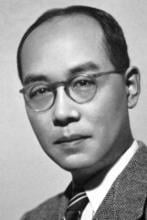
Hideki Yukawa (23 January 1907 – 8 September 1981) was awarded the Nobel Prize in Physics in 1949 for predicting the existence of the pi meson subatomic particle. Japan’s first Nobel laureate, Yakawa also expressed his support for nuclear disarmament by signing the Russell–Einstein Manifesto in 1955.

In his over 30 year career in rice research, Munshi Siddique Ahmad (1924 – 19 October 2011) developed more than 30 varieties of high-yielding rice, including the BRRI Shail strain, which was responsible for increasing the rice production of Bangladesh from 8 million tonnes in 1965 to 20 million tonnes in 1975.
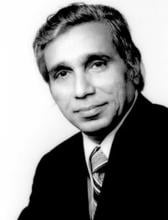
Fazlur Rahman Khan (3 April 1929 – 27 March 1982) was a Bangladeshi-American structural engineer and architect who invented the tube principle, which formed the basis for modern skyscraper design.
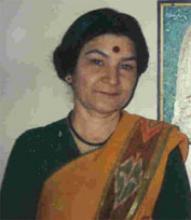
A pioneer of bio-organic chemistry, Darshan Ranganathan (4 June 1941 – 4 June 2001) is remembered for developing a protocol for synthesising imidazole, a compound used to make antifungal drugs and antibiotics. Widely considered India’s most prolific researcher in chemistry, she also published dozens of papers in renowned journals on protein folding, molecular design, chemical simulation of key biological processes, and the synthesis of functional hybrid peptides and nanotubes.