

Innovation
News

04 Sep 2026
Ateneo de Manila University
Ateneo researchers co-design comics with Filipino parents to help families recognize, address, and prevent school bullying.
03 Sep 2026
Lingnan University
Prof Jean-Michel Morel, Chair Professor of the Division of Industrial Data Science at Lingnan University, has been elected a Foreign Member of the Luxembourg Academy of Sciences and Arts (LASA). The honour recognises his pioneering research extending from mathematical foundations to image analysis and industrial data science, and demonstrating the profound contribution of fundamental mathematics to artificial intelligence (AI), computer vision, and image analysis, aligning with LASA's mission to foster interdisciplinary exchange.
03 Sep 2026
Sungkyunkwan University
Targeting the spleen with engineered mycobacterial nanocomplexes turns tumor-supporting cells into active cancer fighters through trained immunity.
02 Sep 2026
Asia Research News Partnerships
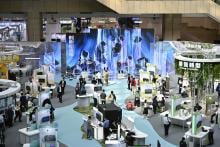
More Than 1,000 Technologies Showcase Taiwan’s Innovation Strength
02 Sep 2026
Tohoku University
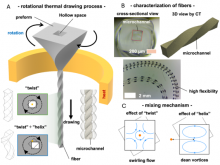
Researchers develop a new fabrication method for creating twisted microchannels inside polymer fibers, enabling efficient mixing of minute amounts of liquid.
27 Aug 2026
Lingnan University
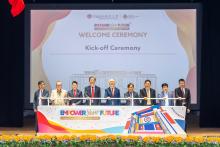
Lingnan University hosted the “Empower Your Future: Lingnan Postgraduate Orientation 2026” on campus today, 27 August, welcoming about 3,200 new taught postgraduate/doctoral degree and MPhil/PhD programme students for the 2026/27 academic year. To meet the growing demand for professionals in artificial intelligence (AI), data analytics, and smart manufacturing in the digital era, Lingnan has introduced three new taught postgraduate programmes, bringing the number of offerings to a record high of 50. In addition, the University held its first-ever “Welcome Gathering for Research Postgraduate Students” to help new students adapt more quickly to Lingnan’s academic research environment.
26 Aug 2026
Sungkyunkwan University
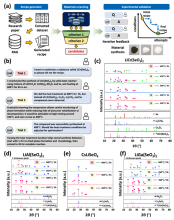
Dramatically cuts complex experimental trial and error, opening a new paradigm for materials development
24 Aug 2026
Lingnan University
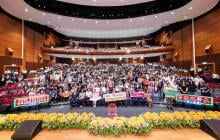
Lingnan University held its 2026/27 academic year New Student Orientation (NSO) and Official Welcome for undergraduate students at its Tuen Mun campus today (24 August).
21 Aug 2026
Lingnan University
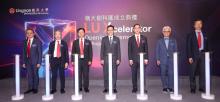
Lingnan University announced the establishment of the innovation and entrepreneurship platform “LU Xcelerator (LUX)” and held its Opening Ceremony today, 21 August. LUX focuses on “AI + X” and the application of agentic AI in different industries, leveraging the unique strength of Lingnan University in data science and interdisciplinary studies. Benefitting from Lingnan’s location near the Northern Metropolis, LUX will spearhead an innovative mode of collaboration between “Government, Industry, Academia, Research, and Investment” in the Greater Bay Area. This new platform will assist our students and researchers in translating innovative research into market-ready applications with tangible commercial and social value.
20 Aug 2026
Osaka Metropolitan University
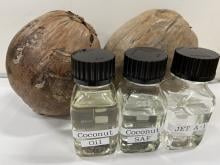
Original coconut-blend fuel performed similarly to jet fuel with reduced hydrocarbon emissions

19 Aug 2026
Ateneo de Manila University
The event connected Ateneans with one-stop support for research, publishing, creative work, innovation, IP, ethics, and communication.
18 Aug 2026
Lingnan University
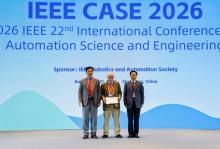
Prof S. Joe Qin, President and Wai Kee Kau Chair Professor of Data Science of Lingnan University, and Lingnan Fellow of the Lingnan University Institute for Advanced Study (LUIAS) and internationally renowned chemical engineering scholar Prof Ignacio E. Grossmann attended the 22nd IEEE International Conference on Automation Science and Engineering (IEEE CASE 2026) in Shenyang, Liaoning Province. The conference, themed “Smart Industry”, brought together leading scholars and industry experts from around the world in the fields of automation and robotics. During the conference session, President Prof S. Joe Qin introduces Prof Grossmann’s academic background and distinguished achievements. Prof Grossmann delivered a plenary speech today (18 August), entitled “Challenges in the Application of Mathematical Programming Approaches to Industrial Enterprise-wide Optimisation”, sharing the challenges of applying mathematical programming approaches to enterprise-wide optimisation, as well as the applications of related research in industrial production planning, supply chains and enterprise decision-making.
18 Aug 2026
Ateneo de Manila University
The University is helping shape a national innovation blueprint to turn university research into technologies, products, industries, and community solutions.
17 Aug 2026
Lingnan University
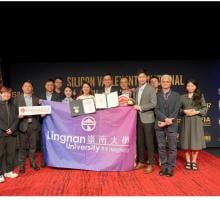
Lingnan University’s research teams have achieved exceptional success at the Silicon Valley International Invention Festival 2026, with all 14 of their projects winning eight gold and six silver medals. One of the projects, the “GaitGPT: Evidence-Grounded AI for Bidirectional Clinical Gait Translation”, developed by a team led by Prof S. Joe Qin, President and Wai Kee Kau Chair Professor of Data Science at Lingnan University and Prof Yu Lisha, Assistant Professor of Teaching of the Division of Artificial Intelligence of the School of Data Science, also received IFIA Best Invention Award issued by International Federation of Inventors' Associations and "Thailand Award for the Best International Invention and Innovation" issued by the National Research Council of Thailand, winning a total of 16 awards. This is the second consecutive year Lingnan has entered this international innovation event, and it is the Hong Kong SAR higher education institution with the greatest number of awards and gold medals.
11 Aug 2026
Newcastle University in Singapore
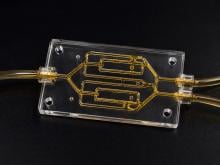
An engineered enzyme selectively targets palmitic acid, a common C16 fatty acid, offering a possible route to higher-value food and pharmaceutical lipids.
08 Aug 2026
Newcastle University in Singapore
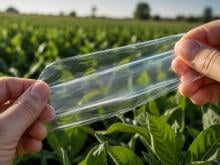
Smart polymers and natural rubber research point to greener materials through durability, repairability and lifecycle design.
07 Aug 2026
Sungkyunkwan University
Program combining mindfulness meditation and cognitive therapy substantially reduces gaming disorder symptoms and stress
06 Aug 2026
Lingnan University
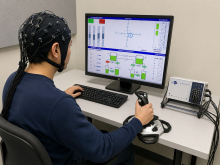
Human retention of decision-making control can reduce fatigue and maintain task mastery
06 Aug 2026
Sungkyunkwan University
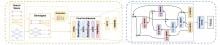
Success in reducing battery energy consumption by 88.7% compared to existing tech through fusion research of Drone + AI + FPGA
05 Aug 2026
Lingnan University
Prof Xie Haoran, Associate Dean of the School of Data Science, Professor and Person-in-Charge of the Division of Artificial Intelligence at Lingnan University, has been elected a new member of the Hong Kong Academy of Engineering (HKAE) Young Member Section (YMS) in 2026. He becomes the second young scholar at Lingnan, following Prof Paulina Wong Pui-yun, Head and Associate Professor (Presidential Early Career Scholar) of the Division of Science, to receive this honour, which highlights Lingnan’s strengths in developing young talent with international impact and furthering high-level research.
05 Aug 2026
Asia Research News Partnerships
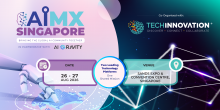
AIMX Singapore 2026 Unites Three Flagship Platforms in a Landmark Convergence of Innovation, Technology and Industry
03 Aug 2026
Japan-based Elix, Inc. and the University of Vienna, Austria announce the signing of a joint research agreement aimed at advancing drug discovery using AI technologies.
03 Aug 2026
Sungkyunkwan University
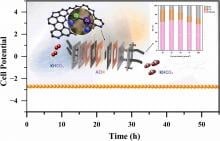
Atomic-scale cooperation between copper and zinc opens a promising route toward cleaner fuel and chemical production
03 Aug 2026
Sungkyunkwan University
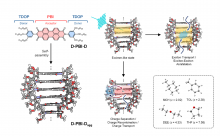
Professor Taeyeon Kim's Team Discovers Mechanism That Controls Charge Transfer in Molecular Aggregates
30 Jul 2026
Lingnan University
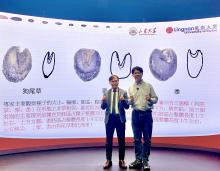
Ancient plant seeds provide important archaeological evidence for studying the evolution of human civilisation. Lingnan University and Shandong University have jointly developed the world’s first artificial intelligence (AI) archaeological system dedicated to identifying ancient Chinese plant seeds. The system emulates the identification process of archaeobotanical experts and achieves a classification accuracy of over 90 per cent. The researchers point out that the identification of plant seeds excavated from archaeological sites has traditionally relied on experts examining each seed individually, a process that is both time-consuming and difficult to scale. The large, standardised database they have created helps improve research efficiency while advancing archaeobotanical research and the digitalisation of cultural heritage. The findings have been published in Heritage Science, an internationally recognised journal of cultural heritage and part of the Nature Portfolio.
27 Jul 2026
Lingnan University
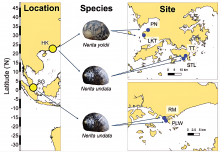
With global warming and extreme weather intensifying, can animals raise their thermal tolerance to cope with a continuously warming environment? A joint research project run by the Division of Science at Lingnan University and an international research team carried out practical testing on tropical intertidal snails that live under the scorching sun. The team simulated the real-world conditions of coastal rocks heating up under intense sunlight in the Hong Kong SAR and Singapore, and discovered that the maximum temperature of some rocks has approached the upper physiological thermal limit of these intertidal snails. Since this can cause cardiac arrest and an inability to maintain normal physiological functions, it means that their thermal tolerance may not be able to increase indefinitely as the environment continues to warm, and extreme heat in the future may increase their risk of mortality. The research findings have been published in internationally renowned academic journal The Biological Bulletin.
24 Jul 2026
Osaka Metropolitan University
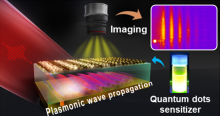
New imaging technique visualizes and measures plasmonic waves in device structures designed for practical uses
23 Jul 2026
Newcastle University in Singapore
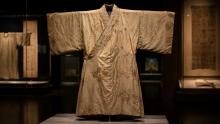
A review maps how modern diagnostics and reversible materials can help museums protect silk, leather, paper and wood with less damage.
23 Jul 2026
Lingnan University
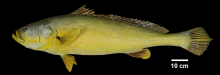
The Chinese bahaba (Bahaba taipingensis), a marine fish species endemic to the Chinese coast and known as the “Panda of the Sea”, is a critically endangered species and one of the few marine fish listed as a first-class protected wild animal in China. Collaborative research led by the Division of Science at Lingnan University has now developed a cost-effective environmental DNA (eDNA) monitoring qPCR approach specifically designed for the Chinese bahaba. Using the new technology, the research has detected traces of the species in western Hong Kong SAR waters, marking the first scientific discovery of the fish in the city in over a decade. The researcher highlights that the technology enables experts to monitor the species non-invasively and to evaluate conservation outcomes without capturing or disturbing rare marine animals, thus providing important scientific evidence to assist in marine conservation planning in China.

22 Jul 2026
Newcastle University in Singapore
A plant enzyme recovered collagen from lambskin trimmings at higher yield than acid or pepsin extraction while preserving its structure.
Events

26 Mar 2025
Taiwan Biopharma Excellence Awards 2025 seeks to give recognition to exceptional bioprocessing & research experts, organization and technologies that facilitate biomanufacturing and research innovation excellence at enhanced speed, reduced cost and superior quality.

13 Aug 2024
The 13th Annual Biologics Manufacturing Korea (BMK) 2024 conference encompasses crucial themes such as upstream processing with a focus on high-throughput cell line development and cell culture, downstream processing involving product concentration and purification by chromatography, analytics and quality assurance, automation, Bioprocessing 4.0, and the digitalization landscape.

13 Aug 2024
Key themes from Vaccine World East Asia (VWEA) 2024 include the swift acceleration of research initiatives, the optimization of manufacturing capabilities, and the seamless integration of novel technologies poised to revolutionize vaccine development.

07 Aug 2024
The MTE 2024: Advanced Healthcare and Life Sciences International Innovation Awards & Expo (AHLS IIAE) is dedicated to recognizing and celebrating groundbreaking innovations in the healthcare industry.

24 Jul 2024
Asia’s largest bioindustry-focused gathering, BIO Asia–Taiwan 2024,
will be held July 24th to 28th, 2024, in Taipei, Taiwan.

23 Apr 2024
Join us at ASIAWATER 2024, the 13th edition of the leading water and wastewater platform for developing Asia, on 23-25 April 2024 at Kuala Lumpur Convention Centre, Malaysia.
01 Mar 2024
Featuring innovations from diverse fields and streams, VIC 2024 provides an opportunity for educators, students, and the public to participate and showcase their innovations and designs through a digital platform.

22 Feb 2024
Discover the future at the Malaysia Technology Expo 2024 (MTE 2024), where innovation takes center stage, and tomorrow's possibilities become today's reality.

09 Nov 2023
Seeking to build experience in collaborative regional research and scientific capacity development in the Asia-Pacific region? Interested in writing grant proposals for global environmental change projects? Come and join our open capacity building seminars to receive grant proposal writing guidance and an introduction to the Asia-Pacific Network for Global Change Research (APN)'s 2023 Call for Proposals. Two seminars are available on the 9th and 10th of November, and we warmly welcome participation from early career professionals and global change practitioners in the Asia-Pacific region.

19 Dec 2023
Embrace Innovation and Illuminate the Future with MTE 2023
Sustainable Energy and Green Technology International Innovation
Awards

31 Oct 2023
Experience TechInnovation 2023, held at Marina Bay Sands from October 31 to November 2. Explore themes of Sustainability, Health and Well-being, and AI in Healthcare.

04 Oct 2023
The 27th World Congress on Innovation & Technology (WCIT 2023) and the 6th International Digital Economy Conference Sarawak (IDECS 2023) are two major events in the global tech industry.
18 Oct 2023
The Malaysia Technology Expo (MTE) 2023: Sustainable Development Goals International Innovation Awards & Expo (SDG IIAE) is the first in the region focused on recognizing innovations, initiatives, programmes and ideas which contribute to sustainability, eradicating poverty, improving well-being, protecting our planet, and building peace and prosperity.
04 Oct 2023
Innovators and government officials will gather together to share insights on improving learning outcomes across the region alongside an expo showcasing some of the world’s best EdTech solutions.
12 Jul 2023
Advancing Precision Public Health in Asia and Beyond – The Future is Now

12 Oct 2023
Taiwan Innotech Expo (tie) is one of the leading invention shows in Asia. The physical event will take place from October 12-14, 2023 at Taipei World Trade Center Hall 1.

09 Aug 2023
The Malaysia Technology Expo (MTE) 2023: Advanced Healthcare and Life Sciences International Innovation Awards & Expo (AHLS IIAE) is set to take place virtually on 9-11 August 2023, bringing together the best and brightest minds from the healthcare and life sciences industries.

17 Apr 2023
To achieve Net Zero, the governments of the UK and Singapore are targeting ambitious carbon reduction goals, and electromobility has emerged as a key strategy. Now, Newcastle University (UK) and ERI@N (Singapore) are jointly hosting an international event, known as the Electromobility symposium, in Singapore to debate and discuss experiences in implementing land transport electrification in Singapore and the UK, evaluate policy landscapes, and identify successes and obstacles to inform future strategies.
11 May 2023
ITEX is the Asia’s Leading Invention, Innovation and Technology Exhibition, targeted at securing investment, manufacturing and commercialisation prospects and partners. The exhibition features inventions across 15 classifications related to innovation or technology

16 Mar 2023
Malaysia Technology Expo 2023 Goes Hybrid! Since 2001, MTE has been celebrating outstanding work by innovators, researchers, scientists, students and entrepreneurs worldwide.
23 Dec 2022
This Forum will take place on 23rd December 2022 in Kobe, Japan. It will be held in hybrid format (on-site and on-line).
15 Sep 2022
A prestigious platform for innovators to share their ideas to the world. Academicians, practitioners, and students are welcome to participate in VIC21.
17 Oct 2022
The event is the first in the region focused on recognizing innovations, initiatives, programmes and ideas which contribute to sustainability, eradicating poverty, improving well-being, protecting our planet, and building peace and prosperity.
13 Sep 2022
Known as the Olympics of the World’s Tech Industry, WCIT2022 MALAYSIA sets out to be the gateway to Southeast Asia while connecting the world – a definitive global event of technology businesses.
14 Sep 2022
EDUtech Thailand returns for its 2nd edition on 14-15 September to bring together the education community across Thailand.

11 Oct 2022
Taiwan Innotech Expo (TIE) is the leading invention show in Asia. The physical event will take place from October 13-15, 2022 at Taipei World Trade Center Hall 1.

26 May 2022
The International Invention, Innovation & Technology Exhibition (ITEX) is the leading international exhibition that features new inventions, technologies, and products, targeted at securing investments, manufacturing and commercialisation prospects and partners.

06 Sep 2022
Identity Week Asia is a conference and exhibition bringing together the brightest minds in the identity sector to promote innovation, new thinking, and more effective identity solutions.

21 Mar 2022
The annual Malaysia Technology Expo (MTE) is set to return virtually from 21-25 March 2022. 2021 has been an eventful year as we celebrated the 20th Anniversary of MTE amidst a pandemic. Pivoting to the virtual space has not diminished its presence and popularity of MTE’s awards but allowed a global audience to attend which would have been proven more difficult in a physical event.
Researchers

Centre for Research and Development of Ethno-medicinal Plants (CREDEP)
Dr. Ashfaq Ahmad Shah (اشفاک), born on 6 June 1992 and hailing from Doderkoot (ددیرکوٹ), Kulgam, South Kashmir, Jammu and Kashmir, India, is an Indian microbiologist, biomedical scientist, academic researcher, scientific reviewer, and annotation engineer whose professional interests span infection biology, immunology, medical microbiology, antimicrobial research and One Health, pharmacology, natural-product science, and artificial intelligence. Dr. Shah has developed an interdisciplinary scientific career focused on understanding the complex interactions between microorganisms, bioactive compounds, and host immune responses, with particular interest in infection–immunity relationships and the discovery of novel antimicrobial, anti-inflammatory, and immunomodulatory agents. He has been associated with Graphic Era (Deemed to be University), Dehradun, Uttarakhand, India, where he pursued research activities from 2020 to 2025 and subsequently continued his academic and research journey in the health sciences/medicine domain, including his role as an assistant professor and scientist in the University Center for Research and Development, Chandigarh University, Mohali, India. His scientific interests encompass a broad spectrum of contemporary biomedical research, including host–pathogen interactions, infection immunity, antimicrobial resistance, immunomodulation, natural-product pharmacology, microbial metabolites, plant-derived bioactive compounds, disease-model studies, protein–antigen interactions, and novel therapeutic discovery. A distinctive component of his research involves investigating the biological significance of phytoalexins, phytoanticipins, phenolic compounds, and other secondary metabolites, particularly their antimicrobial, anti-inflammatory, and potential immunomodulatory properties. His work seeks to establish meaningful links between the chemical characterization of naturally occurring compounds and their biological effects, thereby contributing to the broader field of infection biology and therapeutic research. Dr. Shah has experience with advanced analytical and biochemical approaches, including GC–MS, HPLC, FTIR, and related hyphenated analytical techniques, for the identification and characterization of microbial and plant-derived metabolites and other biologically active compounds. His wider scientific interests also include **tyrosinase inhibition, polyphenol oxidase inhibition, bioactive compounds relevant to pharmaceutical and dermatological applications, and experimental approaches for evaluating antimicrobial and pharmacological activity. Over the course of his academic career, Dr. Shah has contributed to scientific literature through research publications, academic books, book chapters, scientific reviews, and editorial activities. He has published more than 40 scientific papers in national and international journals, including publications in Scopus- SCIE, and Web of Science-indexed journals (Q1, Q2), and has contributed to international academic books and scholarly chapters. His work reflects an interdisciplinary approach in which microbiology is integrated with immunology, pharmacology, analytical chemistry, biotechnology, and biomedical science. In recognition of his academic contributions and scientific work in the area of infection and immunity, Dr. Shah received the Young Scientist Award in August 2023. Alongside his research and academic responsibilities, he has served as a scientific reviewer and editorial contributor associated with scholarly journals, books, and academic initiatives, enabling him to participate in the broader international process of scientific communication and peer review. Dr. Shah has also developed an international academic network through professional interactions and research-related collaborations with scientists and scholarly communities from different parts of the world, including the United States of America, Japan, Malaysia, and other international research environments. These interactions have supported scientific exchange, collaborative discussions, and exposure to diverse approaches in microbiology, immunology, biomedical research, and emerging scientific technologies. His international engagement complements his core research activities and reflects his commitment to developing a globally connected scientific career. Beyond conventional research and academic publishing, Dr Shah has made sustained contributions to the dissemination of medical and scientific knowledge through **Wikipedia**, where he has been an active contributor to medical-science content since 2015. With more than 1,000 edits related to medical and scientific topics, he has contributed to the organisation and accessibility of scientific information for a worldwide readership.Dr Shah has also submitted his NGS work, like nucleotide sequences of mutated genes, to the gene banks like the National Library of Medicine (NCBI) USA.gov.
Universiti Malaysia Sarawak
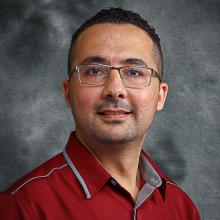
Yonis.M.Yonis Buswig , He is a Lecturer in the Electrical and Electronic Engineering Department, Faculty of Engineering, Universiti Malaysia Sarawak. Yonis.M.Yonis Buswig has authored and co-authored a number of well-recognized journals and conference papers and has been a regular reviewer for IEEE, Wiley and other journals. His current research interests include the area of Power Electronics, Renewable energy technology, and Motor Drives Control. He is a Member in Board of Engineers Malaysia (BEM).
Nanyang Technological University
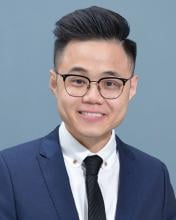
Dr. Edison Huixiang Ang is a Singaporean Materials Scientist who born in 28 July 1987. He has a background in materials science and engineering along with a diverse skill set. He completed his undergraduate studies, earning B.S. degrees, at Nanyang Technological University in Singapore in 2012. Later, in 2017, Dr. Ang received his Ph.D. from the same university. He gained additional experience as a Postdoctoral Fellow at the National University of Singapore from 2016 to 2017 and later served as a Research Fellow at Nanyang Technological University from 2017 to 2019. In mid-2018, he also took on a Visiting Scholar role at the Technical University of Munich in Germany.
Currently, Dr. Edison H. Ang serves as an Assistant Professor at the National Institute of Education/Nanyang Technological University.
His expertise encompasses various areas, including 2D Nanomaterials and Nanotechnology, Energy Storage and Conversion, Sensor Technology, Membrane Technology, Additive Manufacturing, Catalysis, Waste-to-Wealth, Surface Coating and Film, Circular Economy, Renewable Energy, Sustainability, and Chemistry and Chemical Engineering.
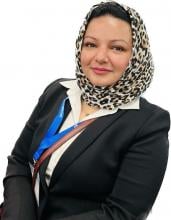
Dr. Hira Khalid is serving as Associate Professor at Forman Christian College University, Lahore, Pakistan. She is also a US Fulbright Fellow and a member of several prestigious scientific organizations, including the American Chemical Society (ACS), the Royal Society of Chemistry (RSC), the International Union of Pure and Applied Chemistry (IUPAC), the Organization for Women in Science for the Developing World (OWSD), and the Chemical Society of Pakistan (CSP).
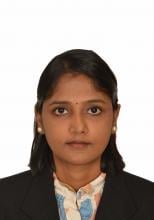
Senior lecturer at Universiti Tun Hussein Onn Malaysia and actively involve in research and innovation. Participated in many innovation competition and won accreditation nationally and internationally. Received title Inv. from IFIA for innovators.
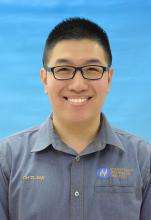
Generally, I am interested in Business Management and Educational Management. To be specific, my areas of specialization include mobile leadership, blue ocean leadership, motivation, employee engagement, team performance.
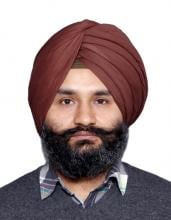
Dr Singh is working as an Additional Professor of Radiology. Besides specializing in medical Imaging, he has received certifications in Global Health, Science Diplomacy and Biomedical Research. His areas of interest and expertise are as follows: Radiology, Nuclear Medicine, Medicine, Health, Public Health, Global Health, Health Policy, Health Systems, evidence-based healthcare and Healthcare leadership.
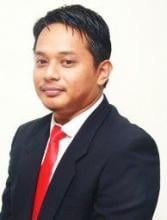
International Islamic University Malaysia (IIUM)
Dr. Nor Aiman Sukindar has joined International Islamic University Malaysia in 2019 and currently working as Assistant Professor in Manufacturing and Materials Department and at the same time holding a position as Chairman of the Advanced Manufacturing and Material Research Unit (AMTech). Before joining IIUM, Dr. Aiman was working with Politeknik Kuching Sarawak for more than seven years from 2011 until 2019.
Dr. Aiman has extensive experience in research pertaining to additive manufacturing technologies including the design and development of 3D printers, fabricating scaffold structures for bone replacement using biomaterials, optimization printing parameters, and any other related field. Dr. Aiman was awarded grants from industries and the government including PPRN, Tin Grant, and Sponsored research grant.
Recently, Dr. Aiman won several awards including a silver medal in Asia Innovation Festival 2022, Gold Medal in RITEC 2021 Competition in 2021, and a silver medal and Outstanding Award in SDG MTE 2021 Competition also in 2021.

Universiti Teknologi MARA (UiTM)
Department of Microbiology / Biomolecular Sciences
Universiti Teknologi MARA
Malaysia

Hupron Fadilah is an educator also a professional trainer that helped teachers to design and run joyful school. Experienced as a school leader for Preschool and High School. He also helps school leaders through mentoring and coaching to develop their leadership skills.
Hupron Fadilah is the founder of School Leaders Talk Indonesia and Komunitas Guru Pembelajar.

Universiti Teknologi MARA (UiTM)
Dr. Syerina Azlin Md Nasir received her Ph.D. in Information Technology from Universiti Teknologi MARA (UiTM), Malaysia and her undergraduate studies at University of Salford, United Kingdom. She is a senior lecturer in Faculty of Computer and Mathematical Sciences at UiTM Cawangan Kelantan, Malaysia where she has been a faculty member since 2004. She has been engaged to research works such as conferences, workshops and become a member of Business Datalytics Research Group. She is a member of Microsoft Certified Professional, International Association of Engineers (IAENG), Certified RapidMiner Analyst and Certified Talend Data Integration. Her earlier publications are on database technology, ontology construction and mapping and actively involves in research, consultations and publications. The author’s current interest is on data mining, data analytics, text and web mining.
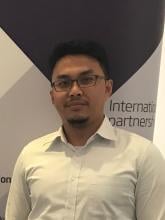
University of Malaya
Ridha is a Senior Lecturer in the Department of Mechanical Engineering and is jointly an associate member of Advanced Manufacturing and Materials Processing (AMMP) Center at the University of Malaya.
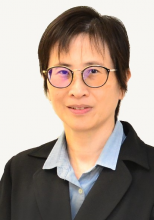
Dr. Olivia Tan Swee Leng was a Legal Counsel at Kuala Lumpur Regional Centre for Arbitration (KLRCA) and in charge of the Domain Name Dispute Resolution for both .com from Asian Domain Name Dispute Resolution Centre and .my cases, as well as Mediation/Arbitration case management. She obtained her Bachelor of Law Degree with honours in 1993 from University of London (UK) and completed her Certificate of Legal Practise (CLP) in 1996. She was the book prize winner for the Civil Procedure Paper and General Paper awarded by the Certificate of Legal Practise Board (Malaysia) in 1996. She practised as an advocate and solicitor in Malaysia in the area of Corporate Litigation, Intellectual Property (Trademark), and Banking and Conveyancing. She continued to pursue her Masters in Law at the National University of Malaysia (UKM) in 2002. Later that year, she ceased legal practise to lecture Company Law, Business Law and Commercial Law at Nilai University in Malaysia as a Senior Lecturer in Law and headed the Department of Admission and Records as a Deputy Registrar. She obtained her PhD in Law at the National University of Malaysia (UKM) in 2014. Presently, she is the Director Technology Transfer Office (TTO) at Multimedia University (MMU). One of her main duties at TTO is to manage the Intellectual Property Rights (IPR) of the academic researchers as TTO. Dr Olivia Tan is also involved in Erasmus+ Spire, European grant project as Quality Manager in 2018 to 2020. SPIRE’s overall objective is contributing to the effectiveness of Research and Innovation management at HEIs by enhancing IPR capacities at three complementary levels, thereby addressing major difficulties identified in the target ASEAN countries (Indonesia, Malaysia, the Philippines and Thailand). She is also currently a legal consultant for Valiantlytix Sdn Bhd (a Data analytic platfom) .
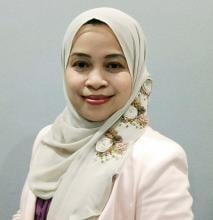
International Islamic University Malaysia (IIUM)
Dr. Irina's research focuses on sustainability, including an analysis of environmental management, the urban environment, climate change adaptation and mitigation, and education for sustainable development, or ESD, and its application in real-world contexts.
I am a Health Economist/Researcher, working with UN agencies in the development of policy documents for developing countries including Nepal, Ethiopia and Pakistan.
The Education University of Hong Kong (EdUHK)
Dr Chris Tsang Yiu-fai is an Associate Professor of the Department of Science and Environmental Studies and Assistant Dean of Graduate School at The Education University of Hong Kong (EdUHK).
Singapore University of Technology and Design
Robert E Simpson is an Associate Professor at the Singapore University of Technology and Design (SUTD). Rob’s research interests are focused on designing new materials for applications in electronics, photonics, data storage, and biosensing.
Singapore University of Technology and Design
Mr. Lee Cheng Pau is currently pursuing his Ph.D in the Singapore University of Technology and Design (SUTD) focusing on 3D Food Printing.
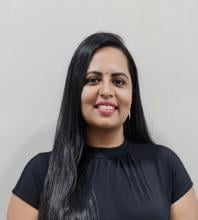
Lecturer in Forensic Chemistry field. Actively engaging in agricultural waste upcycling into nanatechnology products.
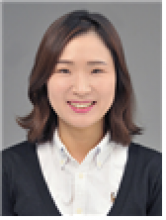
Daegu Gyeongbuk Institute of Science and Technology (DGIST)
Jung Ah Cho is a Visiting Professor at the School of Undergraduate Studies, College of Transdisciplinary Studies, DGIST.
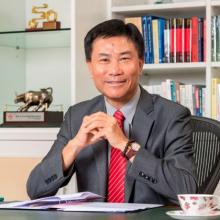
Lingnan University
Professor Leonard K Cheng became President of Lingnan University of Hong Kong in September 2013. Prior to joining Lingnan University, he served as Dean of the School of Business and Management of the Hong Kong University of Science and Technology (HKUST Business School) from 2009 to 2013.

Experienced Subject Matter Expert and Consultant with Leadership, Management, and Strategic Planning Skills. Proven expertise in course validation, curriculum development, and instructional design, bolstered by extensive experience as a Graduate School and Undergraduate Professor and Program Chairperson. Specializes in teaching and managing professional business subjects, delivering engaging instruction, designing
curriculum, and leading academic programs. Demonstrated proficiency in leadership and staff management, fostering collaboration and excellence among team members. Background in sales, insurance, and marketing brings valuable industry insights to academic settings. Committed to promoting academic excellence, fostering student success, and driving
organizational growth through innovative management methods, effective leadership, and strategic planning aligned with the organization's goals and objectives.
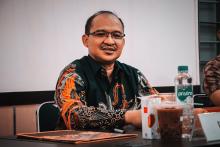
Hadiyanto is a researcher at Universitas Jambi in the area of social science, particularly in education. In 2021, He was invited as a speaker AIbotic Series, European Week, and Edutech.

I am a faculty and the chair of the Department of Information Technology, College of Computer Studies Xavier University Ateneo de Cagayan. I am into security, networking, robotics, authentic assessment, technology and innovation.
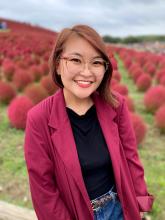
The University of Tokyo
Lian is an IT professional with a bachelor's in Computer Science at De La Salle University and a masters in Information Studies at The University of Tokyo. She had previously handled professional projects in culture-based conservation and blended learning. She is currently based in Chiba, Japan as a research student in Sustainability Science at UTokyo's Kashiwa campus. Her research focuses on educational technology for sustainable development (ICT4Ed and ESD). Aside from her day job, Lian enjoys painting and has participated in a number of exhibitions in her hometown, Davao City.
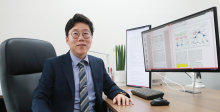
Daegu Gyeongbuk Institute of Science and Technology (DGIST)
Prof. Jeongho Kwak is currently an Assistant Professor at Department of Information and Communication Engineering, DGIST (Daegu Gyeongbuk Institute of Science and Technology),Korea. He is leading the Intelligent Computing & Networking Laboratory (ICNL) at DGIST.
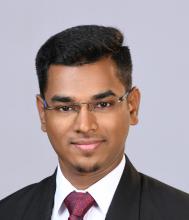
Nanyang Technological University
Dr. Arun works as a Research Assistant Professor (RAP) at the Rolls-Royce@NTU Corporate Lab, Nanyang Technological University, Singapore. Through cutting-edge technology development and commercialization, he contributes to the Singapore 2030 Advanced Manufacturing Hub (AMH) and Jurong Innovation District (JID) initiatives. He also acts as an IPT-Lead of the Manufacturing Technologies programme at Rolls-Royce@NTU and leads several projects, researchers, and students.
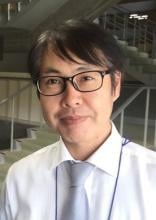
Hiroshima University
Prof. Tomoharu Yasuda's laboratory studies how immune system is regulated through the antigen receptor, intracellular signaling and lymphocyte programming.
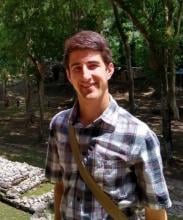
Lingnan University
Mr. Brian Katona is an engineer supporting the technical aspects of the Office of Service-Learning’s initiatives in Humanitarian Technology, Entrepreneurship and Social Innovation. He is interested in sharing his expertise with people to help build meaningful and impactful technological and social solutions.
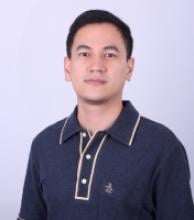
DOST Advanced Science and Technology Institute
Dr. Franz Asunta de Leon is the Director for the DOST - Advanced Science and Technology Institute (DOST-ASTI). With interests in Digital Signal Processing for Audio and Communications, he was the project leader for the Development of a Philippine Indigenous Instrument Sounds Database, also known as KATUNOG (KAlipunan ng KaTUtubong TuNOG).
Giants in history

Tu Youyou (born 30 December 1930) is a Chinese pharmaceutical scientist who was awarded the 2015 Nobel Prize in Physiology or Medicine for her work on extracting artemisin from sweet wormwood to treat malaria.
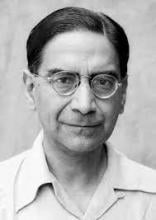
Physicist and statistician Prasanta Chandra Mahalanobis (29 June 1893– 28 June 1972), who founded the Indian Statistical Institute in 1931, is known for his pioneering application of statistics to practical problems.

Tetsuya Theodore Fujita (23 October 1920 – 19 November 1998) was a Japanese-American meteorologist who created the Fujita scale that classifies the strength of tornadoes based on damage to structures and vegetation.
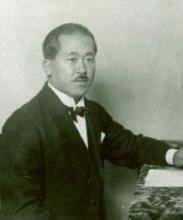
In 1915, Koichi Ichikawa along with pathologist Katsusaburo Yamagiwa became the first to prove that chronic exposure to chemicals can cause cancer.
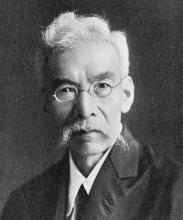
In 1915, pathologist Katsusaburo Yamagiwa and his research assistant Koichi Ichikawa became the first to prove that chronic exposure to chemicals can cause cancer.
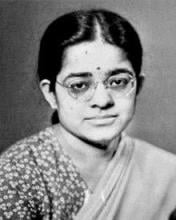
Rajeshwari Chatterjee (24 January 1922 – 3 September 2010) was the first female engineer from Karnataka in India.
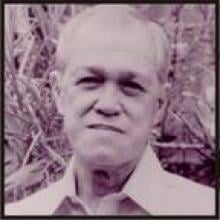
Julian Arca Banzon (13 March 1908 – 13 September 1988) was a biochemist from the Philippines who was a pioneer in alternative fuel research. Banzon investigated the use of indigenous crops as sources of renewable fuels and chemicals.
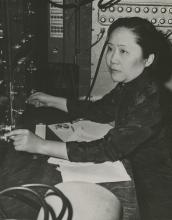
Chien-Shiung Wu (31 May 1912 – 16 February 1997) was an experimental physicist who made several important contributions to nuclear physics. Wu worked on the Manhattan Project – a top-secret program for the production of nuclear weapons during World War II and helped to develop a process for separating uranium into U235 and U238.
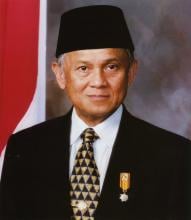
Bacharuddin Jusuf Habibie (25 June 1936 – 11 September 2019) was an Indonesian engineer who was President of Indonesia from 1998 to 1999.
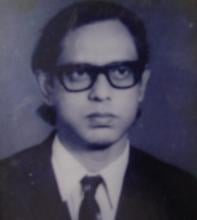
Abdus Suttar Khan (c. 1941 – 31 January 2008) was a Bangladeshi engineer who spent a significant part of his career conducting aerospace research with NASA, United Technology and Alstom.
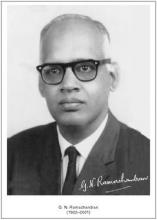
Gopalasamudram Narayanan Ramachandran (8 October 1922 – 7 April 2001) is best known for developing the Ramachandran plot to understand the structure of short chains of amino acids, known as peptides.
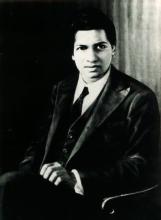
Srinivasa Ramanujan (22 December 1887 – 26 April 1920) was a math prodigy and widely considered one of India’s greatest mathematicians. Despite having almost no formal training in mathematics, he made substantial contributions to mathematical analysis, number theory, infinite series and continued fractions.
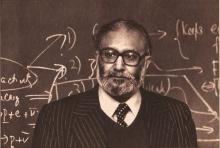
Mohammad Abdus Salam (29 January 1926 – 21 November 1996) was a theoretical physicist and the first Pakistani to receive a Nobel Prize in science.
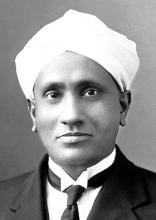
Sir Chandrasekhara Venkata Raman (7 November 1888 – 21 November 1970) was an Indian physicist who performed ground-breaking research in the field of light-scattering.
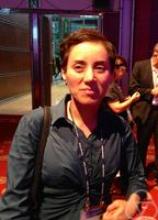
Mathematician Maryam Mirzakhani (12 May 1977 – 14 July 2017) was the first and only woman and Iranian to date to win the Fields Medal in 2014 for her work on curved surfaces.
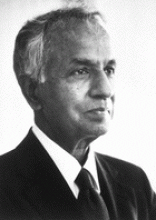
Subrahmanyan Chandrasekhar (19 October 1910 – 21 August 1995) was an Indian astrophysicist who studied the structure and evolution of stars.
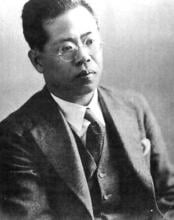
Woo Jang-choon (8 April 1898 – 10 August 1959) was a Korean-Japanese agricultural scientist and botanist.
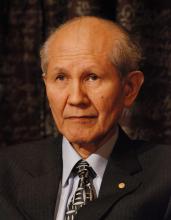
Osamu Shimomura (27 August 1928 – 19 October 2018) was a Japanese organic chemist and marine biologist who dedicated his career to understanding how organisms emitted light.
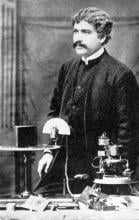
Sir Jagadish Chandra Bose (30 November 1858 – 23 November 1937) was a scientist and inventor who contributed to a wide range of scientific fields such as physics, botany and biology.
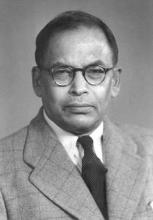
Meghnad Saha (6 October 1893 – 16 February 1956) was an Indian astrophysicist best known for formulating the Saha ionization equation which describes the chemical and physical properties of stars.
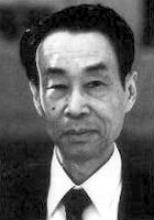
Motoo Kimura (13 November 1924 – 13 November 1994) was a Japanese theoretical population geneticist who is best remembered for developing the neutral theory of molecular evolution.
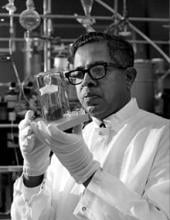
Cyril Andrew Ponnamperuma (16 October 1923 – 20 December 1994) was a Sri Lankan chemist who was interested in the origins of life on Earth. His research in chemical evolution showed how inanimate molecules may have given rise to the building blocks of life – a process known as abiogenesis.
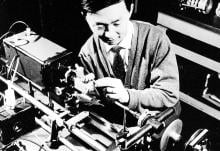
Charles Kuen Kao (Nov. 4, 1933 to Sept. 23, 2018) was an engineer who is regarded as the father of fibre optics. His work in the 1960s on long distance signal transmission using very pure glass fibres revolutionized telecommunications, enabling innovations such as the Internet.
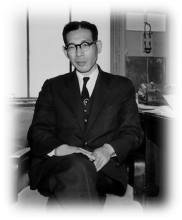
The field of solid-state ionics originated in Europe, but Takehiko Takahashi of Nagoya University in Japan was the first to coin the term ‘solid ionics’ in 1967. ‘Solid-state ionics’ first appeared in 1971 in another of his papers, and was likely a play on ‘solid-state electronics’, another rapidly growing field at the time.
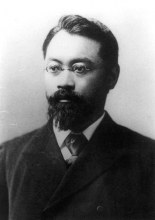
The techniques that make industrial pearl culturing possible were developed over a century ago at the Misaki Marine Biological Station in Japan. The station’s first director, Professor Kakichi Mitsukuri, emphasized to Kokichi Mikimoto in 1890 that stimulating pearl sac formation was important for pearl growth, and they went on to successfully develop methods for culturing pearls.
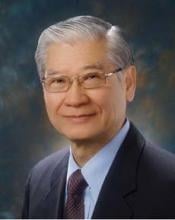
David T. Wong (born 1936) is a Hong Kong-born American neuroscientist who is best known for discovering the antidepressant drug fluoxetine, better known as Prozac.
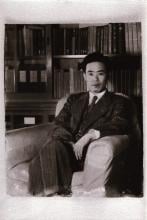
Japanese physicist Ukichiro Nakaya (1900-1962) made the world’s first artificial snowflakes. He started his research on snow crystals in the early 1930s at Hokkaido University, where there is an unlimited supply of natural snow in winter. By taking over 3,000 photographs, he established a classification of natural snow crystals and described their relationship with weather conditions.
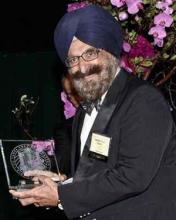
Physicist Narinder Singh Kapany (31 October 1926 – 4 December 2020) pioneered the use of optical fibres to transmit images, and founded several optical technology companies. Born in Punjab, India, he worked at a local optical instruments factory before moving to London for PhD studies at Imperial College. There, he devised a flexible fibrescope to convey images along bundles of glass fibres.

Wu Lien-teh (10 March 1879 – 21 January 1960) was a Malaysian-born doctor who invented a mask that effectively suppressed disease transmission. Winning the prestigious Queen’s Scholarship enabled Wu to become the first Chinese student to study medicine at the University of Cambridge.
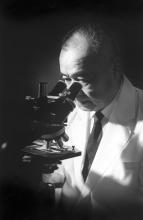
Minoru Shirota (April 23, 1899 – March 10, 1982) was a Japanese microbiologist who invented the popular fermented drink Yakult.
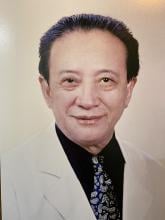
After witnessing death and suffering as a youth in his home village during World War II, Nguyễn Tài Thu (6 April 1931 – 14 February 2021) set his sights on alleviating pain by becoming a doctor. After studying Traditional Chinese Medicine in China in the 1950s, Thu returned to Vietnam to serve in military hospitals. Eventually, he became the country’s foremost practitioner of acupuncture, a technique he first learned by inserting needles into himself.
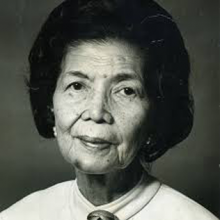
Fe Villanueva del Mundo (27 November 1911 – 6 August 2011) was a Filipina paediatrician who founded the Philippines’ first paediatric hospital.
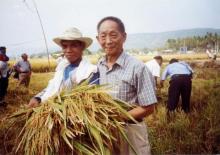
Chinese agronomist Yuan Longping (7 September 1930 – 22 May 2021) developed the first varieties of the high-yield, hybrid rice that brought food security to multiple countries including China, which had been ravaged by food shortages as recently as the mid-20th century.
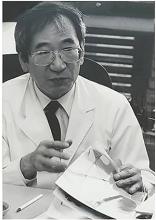
Korean parasitologist Seung-Yull Cho (16 November 1943 – 27 January 2019) is remembered largely for his pioneering works to control infections caused by helminthic parasites and his contribution to journal publishing.
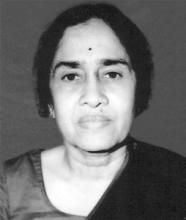
In 1939, biochemist Kamala Sohonie (18 June 1911 – 28 June 1998) became the first woman to be accepted into the Indian Institute of Science (IISc).

Filipino chemist and pharmacist Manuel A. Zamora (29 March 1870 – 9 July 1929) is best remembered for his discovery of the tiki-tiki formula to combat beriberi, a disease caused by Vitamin B1 deficiency.
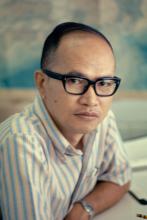
Research by Filipino plant scientist Benito Vergara (23 June 1934 – 24 October 2015) on the physiology of rice led to the development of deep-water and cold-tolerant rice varieties. Vergara also made several contributions to expanding public awareness of rice science.

Filipina chemist María Orosa (29 November 1892–13 February 1945) fought malnutrition and food insecurity in the Philippines by devising over 700 culinary creations including Soyalac, a nutrient rich drink made from soybeans, and Darak, rice cookies packed with Vitamin B1, which could prevent beriberi disease caused by Vitamin B1 deficiency. She was also a partisan of the guerrilla movement resisting Japanese occupation during World War II, and died after being struck by shrapnel while working in her laboratory during the Battle of Manila.
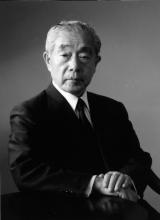
Japanese chemist Kenichi Fukui (4 October 1918 – 9 January 1998) was the first Asian scientist to be awarded the Nobel Prize in Chemistry. Together with Roald Hoffman, he received this honour in 1981 for his independent research into the mechanisms of chemical reactions.
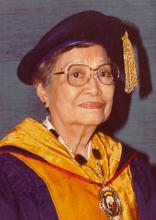
The research of Filipino pharmaceutical chemist Luz Oliveros-Belardo (3 November 1906 – 12 December 1999) focussed on essential oils and other chemicals derived from native Philippine plants.
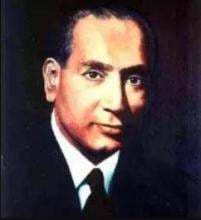
Birbal Sahni (14 November 1891 – 10 April 1949), a pioneer of Indian palaeobotanical research, and founder of what is now the Birbal Sahni Institute of Palaeosciences in Lucknow, made multiple contributions to the study of prehistoric plants. These include the discovery of a new group of fossil gymnosperms (named Pentoxylae), reconstruction of the extinct Williamsonia sewardiana plant, and description of a new type of petrified wood from the Jurassic age.

Ground-breaking cancer researcher Kamal Jayasing Ranadive (8 November 1917 – 11 April 2001) advanced the understanding of the causes of leukaemia, breast cancer and oesophageal cancer through the use of animal models. She was also among the first to recognise how susceptibility to cancer is linked to tumour-causing interactions between hormones and viruses.
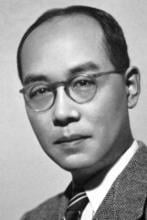
Hideki Yukawa (23 January 1907 – 8 September 1981) was awarded the Nobel Prize in Physics in 1949 for predicting the existence of the pi meson subatomic particle. Japan’s first Nobel laureate, Yakawa also expressed his support for nuclear disarmament by signing the Russell–Einstein Manifesto in 1955.

In his over 30 year career in rice research, Munshi Siddique Ahmad (1924 – 19 October 2011) developed more than 30 varieties of high-yielding rice, including the BRRI Shail strain, which was responsible for increasing the rice production of Bangladesh from 8 million tonnes in 1965 to 20 million tonnes in 1975.
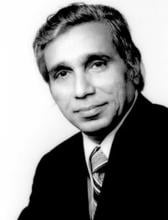
Fazlur Rahman Khan (3 April 1929 – 27 March 1982) was a Bangladeshi-American structural engineer and architect who invented the tube principle, which formed the basis for modern skyscraper design.
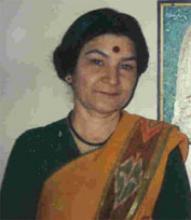
A pioneer of bio-organic chemistry, Darshan Ranganathan (4 June 1941 – 4 June 2001) is remembered for developing a protocol for synthesising imidazole, a compound used to make antifungal drugs and antibiotics. Widely considered India’s most prolific researcher in chemistry, she also published dozens of papers in renowned journals on protein folding, molecular design, chemical simulation of key biological processes, and the synthesis of functional hybrid peptides and nanotubes.