

Nanotech
News
16 Oct 2026
Ehime University
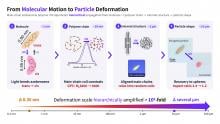
Tomomichi Itoh and his colleagues at Ehime University have shown how tiny light-induced molecular shape changes can be amplified into visible deformation of polymer microparticles. The team developed light-responsive particles containing azobenzene molecules and revealed how structural changes triggered by light spread through the material, ultimately deforming particles several to tens of micrometers in size. These findings provide new insights for designing light-driven microscale materials and devices.
15 Oct 2026
National Taiwan University
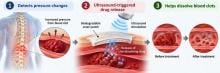
Researchers have developed a biodegradable smart patch that detects pressure changes and releases blood clot-dissolving medication when activated by ultrasound. Laboratory tests demonstrated sensitive pressure monitoring, controlled drug release, and approximately 70% blood clot degradation, highlighting its potential for future medical applications.
15 Oct 2026
Sungkyunkwan University
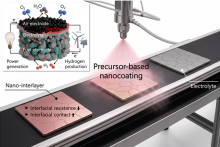
Nanocoating technology reduces interfacial resistance between electrode and electrolyte, maximizing efficiency in both hydrogen production and power generation
13 Oct 2026
Tohoku University
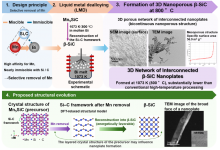
Researchers discovered that using liquid metal dealloying can help produce a special silicon carbide at a markedly lower temperature than conventional methods, while still allowing for control of its structure at the nanometer scale.

09 Oct 2026
Asia Research News
DNA breakdown in real time, How crystals bend without breaking, Mini-brain for Parkinson’s,
Heavy water helps weather forecasts, Exploring fish diversity and Mindfulness and self-stigma. Read it all in this month's Editor's Choice
07 Oct 2026
Sungkyunkwan University
World-class p-type perovskite transistor performance achieved; research published in Nature
06 Oct 2026
Sungkyunkwan University
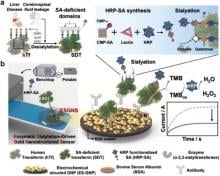
New sensing technology uses enzymes to selectively distinguish subtle differences in sugar structures on protein surfaces
06 Oct 2026
Sungkyunkwan University
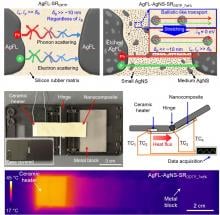
Uniform dispersion of 3.4-nanometer silver particles in stretchable rubber enhances both thermal and electrical conductivities under strain
05 Oct 2026
The University of Osaka
Researchers at the University of Osaka have developed a method for distinguishing the L- and D-forms of amino acids based on current waveforms generated by single molecules passing through a nanogap. The L/D ratio of amino acids is a potential biosignature of life. Major features of the amino acid composition were captured for astrobiologically relevant samples. The method could be used to develop electrical instruments for extraterrestrial life detection.
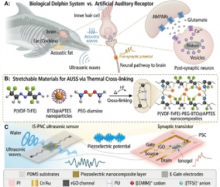
30 Sep 2026
Sungkyunkwan University
New organic–inorganic nanocomposite combines stretchability and piezoelectric properties, maintaining stable performance even under 50% strain
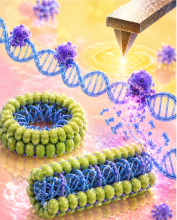
28 Sep 2026
Kanazawa University
Researchers at the Nano Life Science Institute (WPI-NanoLSI) at Kanazawa University have directly visualized how enzymes find and break DNA molecules in real time. Using high-speed atomic force microscopy, the team followed individual enzymes as they moved along DNA and found that they repeatedly returned to vulnerable regions before breaking them apart. The findings reveal how the structure of DNA influences its vulnerability to enzymatic breakdown.
The research was led by Richard Wong and his team was Jingge Yang, Yujia Qiu, Keesiang Lim and Toshio Ando.

22 Sep 2026
Sungkyunkwan University
Combines human brainstem organoid with ultra-precision optical sensor to track Parkinson's treatment response continuously over 12 hours
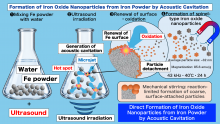
18 Sep 2026
Tohoku University
Rust usually takes months or years to form naturally, but researchers at Tohoku University found a way to speed it up dramatically. By blasting iron powder in water with ultrasound, they triggered the formation of spinel-type iron oxide nanoparticles in as little as 24 hours, no chemicals required. The technique could offer a greener route to materials used in magnets, catalysts, and biomedical applications.
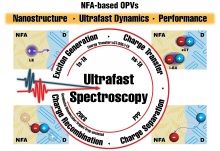
15 Sep 2026
Sungkyunkwan University
Advancing the Future of Renewable Energy: Decoding the Secret Dynamics of Organic Photovoltaics
14 Sep 2026
Lingnan University
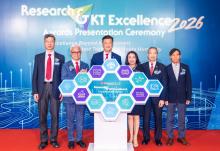
Lingnan University recently hosted the Research and Knowledge Transfer Excellence Awards Presentation Ceremony 2026. At the “Excellence Beyond Achievement Where Technology Meets Humanity” ceremony, 53 Lingnan scholars were presented with the Outstanding Researcher Award, the Early Career Researcher Award, and the Research & Knowledge Transfer Fund Award for their exceptional contributions to academic research and knowledge transfer that advance societal development. The University’s overall innovation and technology performance reached new heights in the 2025/26 academic year, with the number of granted patents for research projects increasing sixfold year-on-year to set a new record.
08 Sep 2026
Daegu Gyeongbuk Institute of Science and Technology (DGIST)
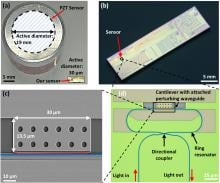
- Professors Sangyoon Han and Jaesok Yu’s teams use semiconductor fabrication processes to develop a “non-contact, ultra-high-sensitivity” ultrasonic receiver
- Detects MHz-range ultrasound through the air without the need for gel, achieving a 25,000-fold improvement in responsivity per unit sensing area
- Expected to revolutionize precision nondestructive testing of contamination-sensitive components such as semiconductor wafers and secondary batteries
- Published in Photonics Research, a renowned international journal in the field of optics
03 Sep 2026
Sungkyunkwan University
Targeting the spleen with engineered mycobacterial nanocomplexes turns tumor-supporting cells into active cancer fighters through trained immunity.
31 Aug 2026
National Taiwan University
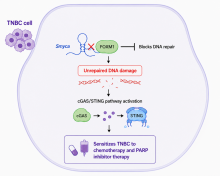
Researchers identify a RNA molecule that promotes DNA repair and immune escape to contribute to the resistance of triple negative breast cancer to chemotherapy and targeted therapy.

27 Aug 2026
National Taiwan University
Researchers redesigned C-shaped organic dyes so they lose less energy while emitting near 1000 nanometres. In an OLED, the optimized design reached an external quantum efficiency of 3.56% at 995 nanometres.
24 Aug 2026
National Taiwan University
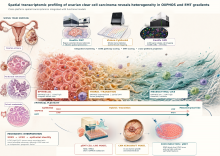
Ovarian clear cell carcinoma (OCCC) has a higher prevalence among East Asian women and is characterized by poor clinical outcomes. An interdisciplinary team led by Professor Ruby Yun-Ju Huang at National Taiwan University College of Medicine has established a comprehensive spatial atlas of OCCC, revealing how distinct tumor cell populations are organized within the same tumor and identifying a key molecular regulator of tumor plasticity.
21 Aug 2026
Tohoku University
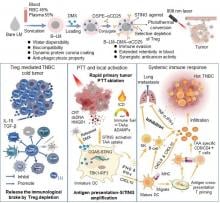
Triple-negative breast cancer (TNBC) accounts for roughly 15–20% of all breast cancer cases and is difficult to treat. Patients are often left with chemotherapy as their only treatment option. This is because TNBC tumors contain a large number of T cells that suppress the immune system. Yet researchers from Tohoku University have come up with a three-pronged approach to overcome this problem.
20 Aug 2026
The University of Osaka
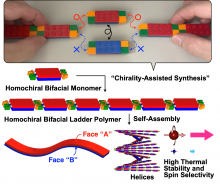
Researchers from the University of Osaka have developed a new class of chiral semiconducting polymers that can generate highly spin-polarized electrical currents. The team’s unique molecular design allows the polymers to self-assemble into helical structures that efficiently filter electron spins, offering a promising platform for future spintronic devices and clean-energy technologies.

13 Aug 2026
Asia Research News
Black hole "blast", Bacteria-detecting robot, A crab's tale, Sensors that remember, and Silk in cycling. Plus submission deadline for 2027 magazine. Read all in the latest Editor's Choice.
03 Aug 2026
National Taiwan University
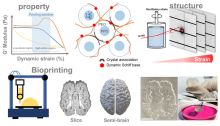
Researchers at National Taiwan University have designed a shear-protective hydrogel bioink that enables high-resolution bioprinting of pickable neural tissue patches with high cell survival.
03 Aug 2026
National Taiwan University
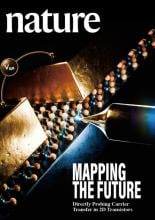
A platform technology developed at National Taiwan University sets a new benchmark for contact metrology in next-generation semiconductor devices.
30 Jul 2026
National Taiwan University
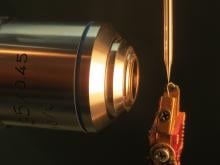
Using direct electrical recordings from individual lysosomes, researchers discovered that sugar chains attached to the lysosomal ion channel TPC2 act as a molecular brake. Because TPC2 dysfunction has been linked to viral infections, neurodegenerative disorders and cancer, the findings may provide a new framework for understanding disease mechanisms and developing more targeted ways to regulate lysosomal signaling.
28 Jul 2026
Sungkyunkwan University
Prof. Young Dok Kim’s team at SKKU maximizes CO2 conversion performance via cerium induction
24 Jul 2026
Osaka Metropolitan University
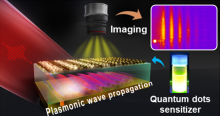
New imaging technique visualizes and measures plasmonic waves in device structures designed for practical uses
17 Jul 2026
Tohoku University
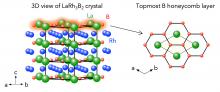
Graphene revolutionized materials science after its discovery in 2004. Its list of potential applications is long, but its use in high-temperature superconductors has been stymied by weak electron interactions. Researchers from Tohoku University have recently created a stable version of boron graphene on the surface of a three-dimensional crystal, potentially overcoming this limitation and opening a pathway toward more energy-efficient electronic devices.
14 Jul 2026
National Taiwan University
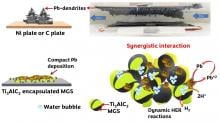
Layered carbide-carbon hybrids offer scalable, high-rate SLFB electrode platforms for improved wettability and enhanced electrolyte-electrode interaction and redox kinetics.
Events

07 Aug 2024
The MTE 2024: Advanced Healthcare and Life Sciences International Innovation Awards & Expo (AHLS IIAE) is dedicated to recognizing and celebrating groundbreaking innovations in the healthcare industry.

26 Jan 2022
Since 2001, the "nano tech" exhibition is one of largest exhibition in the world held in Tokyo, Japan. In 2022, it will be held in On-site and On-line format as a Hybrid event.

09 Dec 2020
The 20th International Nanotechnology Exhibition & Conference will be held in onsite-online hybrid format.

The Khwarizmi International Award (KIA) acknowledges the efforts made by researchers, innovators and inventors from across the globe and to appreciate their high quality research work and contributions to different fields of science and technology.
South Korea's Ulsan National Institute of Science and Technology (UNIST), jointly with Ulsan Metropolitan City, held the "Graphene Symposium in Ulsan" on Wednesday, May 8, 2019.
Researchers

Dr. Muhammad Abdul Basit is an established academician who is concomitantly working in science and arts, accomplishing the publications of multiple books as well as more than 100 international research publications in the field of nanomaterials, thin-film techniques, and photoenergy applications. Dr. completed did his PhD & Post-Doc. from Hanyang University, south Korea and currently serving as an Associate Professor at the Institute of Space Technology, Pakistan where he is leading the Nanomaterials for Advanced Energy Applications research group and lab. Dr. Basit has won multiple intellectual capability awards from various agencies such as HEC Pakistan, PCK Korea and DAAD-Germany.

Dr. Umedjon Khalilov is a computational materials scientist with over 20 years of experience in atomistic modeling of nanostructures. His research integrates molecular dynamics (MD), Monte Carlo (MC), and density functional theory (DFT) simulations to investigate the synthesis, stability, and functionality of carbon-based and silicon-based nanomaterials. He has led or contributed to numerous international projects focused on hydrogen storage, carbon nanotube growth, and surface reactions in plasma environments. Dr. Khalilov is also actively involved in AI-driven materials discovery and collaborative platforms bridging simulation with experiment.
He has authored 40+ peer-reviewed publications in leading journals.

I am an efficient Professor able to Develop courses with IT skills & sound teaching skills in a manner attractive to students. I have vast experience in supervising postgraduate research & Contribute in a well manner to the ongoing academic development of the School’s postgraduate courses and research.

National Taiwan University
Professor Ru-Shi Liu, based at the Department of Chemistry, National Taiwan University (NTU) research interests span several areas, including investigating phosphor materials for light-emitting diodes (LEDs), exploring materials for energy conversion (such as water splitting, fuel cells, and batteries), and delving into the application of nanomaterials in medicine, particularly for photodynamic therapy.

National Institute for Materials Science (NIMS)
Group Leader, Frontier Molecules Group, Nanomaterials Field, Research Center for Materials Nanoarchitectonics (MANA) at the National Institute for Materials Science (NIMS), Japan.

Dr. Mariyappan Shanmugam is a Professor of Physics at Hindustan Institute of Technology and Science, Chennai, India. He carries out research in the areas of Materials for Energy related applications. He completed his PhD at South Dakota State University, USA in 2011. He was a Postdoctoral Research Fellow at the College of Nanoscale Science and Engineering, State University of New York and Worcester Polytechnic Institute, USA during 2011-2015. He established a research and development division in a Silicon Valley-based start-up company, Macromolecular Inc., to develop photovoltaic materials and devices for space PV applications. Semiconductor Nanomaterials, Thin films, 2D-Layered Materials, Graphene, h-BN for Optoelectronics are his primary research interests.

Daegu Gyeongbuk Institute of Science and Technology (DGIST)
Professor In Soo-Il from the Department of Energy Engineering at DGIST research interests are the synthesis, analysis and application of functional nano-materials for environmentally friendly renewable energy.

ChM. Ts. Dr. Uganeeswary Suparmaniam, AMIChemE (UK) is a multiple award-winning young scientist, sustainability advocate, and climate activist attached to the HICoE-Centre for Biofuel and Biochemical Research, Institute of Self-Sustainable Building, PETRONAS University of Technology, Malaysia.

Dr. Chong Li Choo is an accomplished academic, Associate Professor at Taylor's University, expert in food technology, and innovative product design. Award-winning researcher, director for Food Security & Nutrition Impact Lab, and impactful leader in the field.

Mahidol University
Taweechai Amornsakchai is an Associate Professor at Mahidol University. With a Ph.D. in Polymer Physics, his research focuses on reinforcing plastics with pineapple leaf fiber and exploring pineapple stem starch for biodegradable packaging.
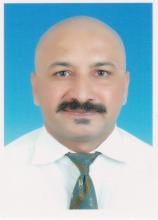
Sarfraz Ahmed is working as a Scientist at Harvard Medical School's Mass General Hospital. His research interests include Diseases and Therapeutics especially focus on Cancer and Therapeutics, Cancer Immunology, Photomedicine, Photo compounds and Photodevices for Cancer, Cancer and Natural agents, Nanomedicine and Nanotechnology for Cancer, Drugs resistance, Microbiology (Bacteriology & Virology) and Drugs resistance
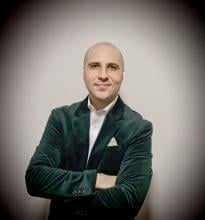
Angel Investor and a Vision-driven entrepreneur/executive with career-long record of business growth and innovation.
Dr Fabien Grasset is a Research Director at the Centre national de la recherche scientifique (CNRS) and currently serving as Director of Research for Rennes Institute of Chemical Sciences (ISCR). His areas of expertise include materials chemistry, solid-state chemistry, nanotechnology, nanoparticles, optical coatings and thin films.
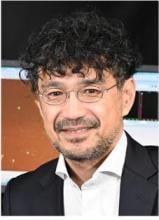
Hokkaido University
Dr. Akira Kakugo is an Associate Professor at Hokkaido University. He has researched biomolecular motors and swarming of active matters.

Centre for Research and Development of Ethno-medicinal Plants (CREDEP)
Dr. Ashfaq Ahmad Shah (اشفاک), born on 6 June 1992 and hailing from Doderkoot (ددیرکوٹ), Kulgam, South Kashmir, Jammu and Kashmir, India, is an Indian microbiologist, biomedical scientist, academic researcher, scientific reviewer, and annotation engineer whose professional interests span infection biology, immunology, medical microbiology, antimicrobial research and One Health, pharmacology, natural-product science, and artificial intelligence. Dr. Shah has developed an interdisciplinary scientific career focused on understanding the complex interactions between microorganisms, bioactive compounds, and host immune responses, with particular interest in infection–immunity relationships and the discovery of novel antimicrobial, anti-inflammatory, and immunomodulatory agents. He has been associated with Graphic Era (Deemed to be University), Dehradun, Uttarakhand, India, where he pursued research activities from 2020 to 2025 and subsequently continued his academic and research journey in the health sciences/medicine domain, including his role as an assistant professor and scientist in the University Center for Research and Development, Chandigarh University, Mohali, India. His scientific interests encompass a broad spectrum of contemporary biomedical research, including host–pathogen interactions, infection immunity, antimicrobial resistance, immunomodulation, natural-product pharmacology, microbial metabolites, plant-derived bioactive compounds, disease-model studies, protein–antigen interactions, and novel therapeutic discovery. A distinctive component of his research involves investigating the biological significance of phytoalexins, phytoanticipins, phenolic compounds, and other secondary metabolites, particularly their antimicrobial, anti-inflammatory, and potential immunomodulatory properties. His work seeks to establish meaningful links between the chemical characterization of naturally occurring compounds and their biological effects, thereby contributing to the broader field of infection biology and therapeutic research. Dr. Shah has experience with advanced analytical and biochemical approaches, including GC–MS, HPLC, FTIR, and related hyphenated analytical techniques, for the identification and characterization of microbial and plant-derived metabolites and other biologically active compounds. His wider scientific interests also include **tyrosinase inhibition, polyphenol oxidase inhibition, bioactive compounds relevant to pharmaceutical and dermatological applications, and experimental approaches for evaluating antimicrobial and pharmacological activity. Over the course of his academic career, Dr. Shah has contributed to scientific literature through research publications, academic books, book chapters, scientific reviews, and editorial activities. He has published more than 40 scientific papers in national and international journals, including publications in Scopus- SCIE, and Web of Science-indexed journals (Q1, Q2), and has contributed to international academic books and scholarly chapters. His work reflects an interdisciplinary approach in which microbiology is integrated with immunology, pharmacology, analytical chemistry, biotechnology, and biomedical science. In recognition of his academic contributions and scientific work in the area of infection and immunity, Dr. Shah received the Young Scientist Award in August 2023. Alongside his research and academic responsibilities, he has served as a scientific reviewer and editorial contributor associated with scholarly journals, books, and academic initiatives, enabling him to participate in the broader international process of scientific communication and peer review. Dr. Shah has also developed an international academic network through professional interactions and research-related collaborations with scientists and scholarly communities from different parts of the world, including the United States of America, Japan, Malaysia, and other international research environments. These interactions have supported scientific exchange, collaborative discussions, and exposure to diverse approaches in microbiology, immunology, biomedical research, and emerging scientific technologies. His international engagement complements his core research activities and reflects his commitment to developing a globally connected scientific career. Beyond conventional research and academic publishing, Dr Shah has made sustained contributions to the dissemination of medical and scientific knowledge through **Wikipedia**, where he has been an active contributor to medical-science content since 2015. With more than 1,000 edits related to medical and scientific topics, he has contributed to the organisation and accessibility of scientific information for a worldwide readership.Dr Shah has also submitted his NGS work, like nucleotide sequences of mutated genes, to the gene banks like the National Library of Medicine (NCBI) USA.gov.
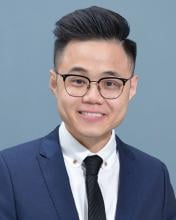
Nanyang Technological University
Dr. Edison Huixiang Ang is a Singaporean Materials Scientist who born in 28 July 1987. He has a background in materials science and engineering along with a diverse skill set. He completed his undergraduate studies, earning B.S. degrees, at Nanyang Technological University in Singapore in 2012. Later, in 2017, Dr. Ang received his Ph.D. from the same university. He gained additional experience as a Postdoctoral Fellow at the National University of Singapore from 2016 to 2017 and later served as a Research Fellow at Nanyang Technological University from 2017 to 2019. In mid-2018, he also took on a Visiting Scholar role at the Technical University of Munich in Germany.
Currently, Dr. Edison H. Ang serves as an Assistant Professor at the National Institute of Education/Nanyang Technological University.
His expertise encompasses various areas, including 2D Nanomaterials and Nanotechnology, Energy Storage and Conversion, Sensor Technology, Membrane Technology, Additive Manufacturing, Catalysis, Waste-to-Wealth, Surface Coating and Film, Circular Economy, Renewable Energy, Sustainability, and Chemistry and Chemical Engineering.

Senior lecturer at Universiti Tun Hussein Onn Malaysia and actively involve in research and innovation. Participated in many innovation competition and won accreditation nationally and internationally. Received title Inv. from IFIA for innovators.
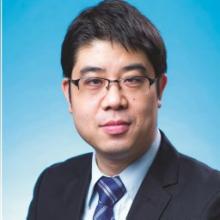
City University of Hong Kong (CityUHK)
Prof Yang obtained his bachelor degree from Peking University in 2001, and PhD from Princeton University in 2007. His research interest includes the development of advanced alloys, including metallic glasses, high entropy alloys, low dimensional metals/ceramics and metamaterials.
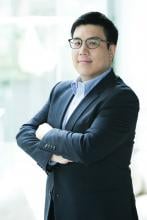
Daegu Gyeongbuk Institute of Science and Technology (DGIST)
Hoe Joon Kim is currently an Associate Professor in the Department of Robotics & Machatronics Engineering at Daegu Gyeongbuk Institute of Science & Technology (DGIST)
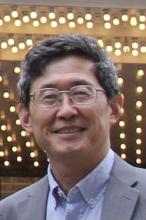
City University of Hong Kong (CityUHK)
Professor Ren Yang is a physicist and Chair Professor at the Department of Physics at City University of Hong Kong. His research interests focus on the structure-property relationship studies of materials by utilizing synchrotron X-ray and neutron scattering and other techniques.
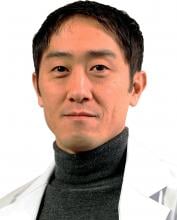
Professor Shinya Maenosono leads his research group at Japan Advanced Institute of Science and Technology (JAIST). His research in JAIST has focused on two main areas of interest in the field of materials chemistry and nanotechnology. The first area involved wet chemical synthesis of semiconductor nanoparticles with controlled size, shape and composition for energy conversion device applications. The second area has focused on the synthesis and bioapplication development of monometallic and alloyed multimetallic nanoparticles.

Singapore University of Technology and Design
Robert E Simpson is an Associate Professor at the Singapore University of Technology and Design (SUTD). Rob’s research interests are focused on designing new materials for applications in electronics, photonics, data storage, and biosensing.

Lecturer in Forensic Chemistry field. Actively engaging in agricultural waste upcycling into nanatechnology products.
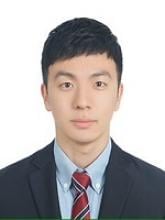
Daegu Gyeongbuk Institute of Science and Technology (DGIST)
Dr. Sungwoong Jeon's research interests are biomedical micro/nano robot, animal in vivo experiments and MEMS piezoelectric artificial basilar membrane.

Nagoya University
Prof Pu Jiang is currently an Assistant Professor at the Graduate School of Engineering Applied Physics 1, Nagoya University
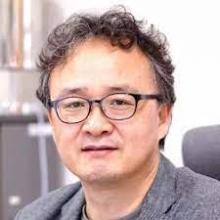
Daegu Gyeongbuk Institute of Science and Technology (DGIST)
Professor Jong- Soo Lee's research interest is in designing a new type of multifunctional nanoparticles for energy related devices.

Prasanna Lakmal is a lecturer at the Department for Commerce & Financial Management of the University of Kelaniya, Sri Lanka.

Institute for Integrated Cell-Material Sciences (iCeMS) at Kyoto University
Prof. Ganesh Pandian Namasivayam's research goal is to create "Smart Genetic Switches" that precisely ON and OFF the genetic and epigenetic factor(s) of interest.
Ana Carina Manjua's current PhD work is in the design and fabrication of a biological inspired artificial microfluid platform for drug screening.

Dr. Eng. Hafsa Jamshaid C Text FTI is working as Associate Professor at National Textile University. She is an experienced textile professional in the field of weaving, knitting technologies for technical fabrics and composites.
Giants in history
Sorry, no researchers coming up for this topic.