
Biology
News
06 Oct 2026
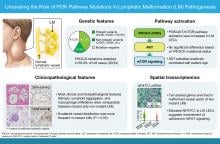
Researchers led by the University of Osaka analyzed lymphatic malformations from 34 patients and found shared molecular features regardless of whether PIK3CA mutations were detected. The PI3K/AKT/mTOR pathway was activated in malformed lymphatic vessels, while spatial transcriptomics highlighted NFATC1, associated with the calcineurin-NFAT pathway, as a possible contributor to the disease pathogenesis. The findings deepen the understanding of lymphatic malformations and may help refine existing treatments and identify new therapeutic targets.

05 Oct 2026
Researchers at the University of Osaka have developed a method for distinguishing the L- and D-forms of amino acids based on current waveforms generated by single molecules passing through a nanogap. The L/D ratio of amino acids is a potential biosignature of life. Major features of the amino acid composition were captured for astrobiologically relevant samples. The method could be used to develop electrical instruments for extraterrestrial life detection.
02 Oct 2026
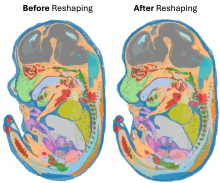
A new computational method aligns spatial transcriptomics data while retaining cell-level measurements.
30 Sep 2026
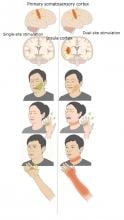
Researchers at the University of Osaka found that simultaneous stimulation of the primary somatosensory cortex and insular cortex may produce richer artificial bodily sensations than stimulating either region alone. In three patients, dual-site stimulation evoked sensations including gentle touch and combined numbness and warmth. These preliminary findings suggest that multisite stimulation may influence how sensory qualities are integrated, with potential applications in sensory neuroprosthetics and functional brain mapping in humans.
30 Sep 2026
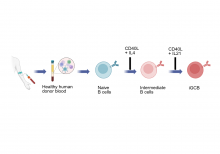
Researchers at the University of Osaka developed a simple two-step culture system that turns human blood-derived B cells into germinal center-like B cells using CD40L, IL-4, and IL-21 in a specific sequence. The resulting cells closely resemble genuine human germinal center B cells and undergo somatic hypermutation. The platform provides a practical tool for studying antibody formation directly in human cells and may support future vaccine and autoimmune disease research.
29 Sep 2026
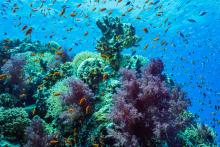
New research identifies coastal regions at heightened risk of non-native marine species, including the eastern United States, Gulf of Mexico, coastlines bordering the North Sea, southeastern China and northern Australia.
28 Sep 2026
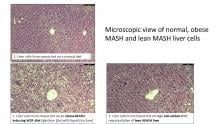
• New research finds that excess dietary salt alters liver metabolism and may drive progressive fatty liver disease even in people who are not obese.
• This sheds light on how lean patients might develop the disease, traditionally associated with obesity, and if applicable to humans, could be a potential prognostic factor for lean MASH.
• Causal role of high salt intake on lean MASH still needs to be verified in patients with this condition.

28 Sep 2026
To address the challenges faced by spatial omics, a research team led by Professor Shi Peng from the Department of Biomedical Engineering in College of Biomedicine at City University of Hong Kong (CityUHK) has presented Spectrum-FISH, a sequencing-free and amplification-free approach for the spatial analysis of tissue.
28 Sep 2026
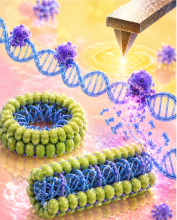
Researchers at the Nano Life Science Institute (WPI-NanoLSI) at Kanazawa University have directly visualized how enzymes find and break DNA molecules in real time. Using high-speed atomic force microscopy, the team followed individual enzymes as they moved along DNA and found that they repeatedly returned to vulnerable regions before breaking them apart. The findings reveal how the structure of DNA influences its vulnerability to enzymatic breakdown.
The research was led by Richard Wong and his team was Jingge Yang, Yujia Qiu, Keesiang Lim and Toshio Ando.
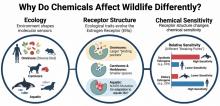
28 Sep 2026
New Horizons in Sensitivity Assessment: Integrating Genetic Sequence Comparison, Machine Learning, In Silico, and In Vitro Analyses of Mammalian Estrogen Receptors
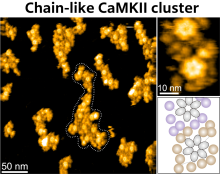
17 Sep 2026
Researchers at the Nano Life Science Institute (WPI-NanoLSI) at Kanazawa University, Kyoto University, SOKENDAI, and the National Institute for Physiological Sciences have revealed how a key brain protein involved in learning and memory organizes itself into chain-like structures. Their study was published in Science Advances.
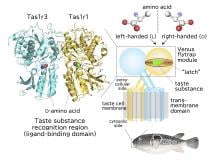
16 Sep 2026
A team led by researchers from the University of Osaka has revealed the first structure of an umami taste receptor. They found that the pufferfish receptor can sense many more amino acids than the human receptor, including some linked to flavors humans detect as sweet. This helps the fish to detect more types of savory chemicals in their food. The research also shows how the receptor’s structure makes this flexibility possible. The findings could help develop new umami flavors.
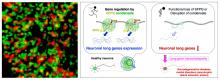
15 Sep 2026
How are extra-long genes read? A novel mechanism in which RNA-scaffolded nuclear condensates gather diverse factors to coordinate gene expression

15 Sep 2026
AI-powered cyborg cockroaches, Undiagnosed kidney disease, Plants as genetic engineers, AI and mental workload, Carnivorous plants confirm Darwin prediction, Moisture conveyor belt and Forever chemicals in furry friends. Read all in the latest Editor's Choice.
11 Sep 2026
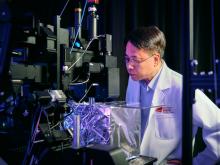
A study co-led by Professor Yung Wing-ho, Chair Professor in the Department of Neuroscience at City University of Hong Kong, together with scholars from The Chinese University of Hong Kong, has explained the underlying cause, revealing how the brain dynamically reorganises itself to break through the cognitive bottleneck and achieve efficient, simultaneous multitasking.

10 Sep 2026
Two new papers published in Nature offer new insights into how this group of ancient humans looked, evolved, and behaved.
09 Sep 2026
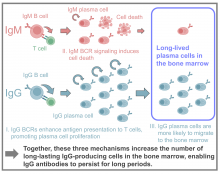
A team led by the University of Osaka researchers discovered that cells producing IgG1 antibodies multiply more, are less prone to cell death in the spleen, and migrate more efficiently to the bone marrow, where long-lived antibody-producing cells can become established. Understanding how these cells gain these advantages could help researchers design vaccines that provide longer-lasting protection against infection.

08 Sep 2026
Ageing muscle shows gene changes in its supporting matrix, offering new insight into the biology of sarcopenia.
03 Sep 2026
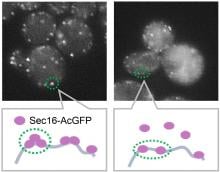
A study in budding yeast suggests that changes in membrane lipids trigger a braking system that slows internal protein transport when the endoplasmic reticulum comes under stress, comparable to modern logistics networks where shipments are slowed when distribution hubs are under stress.
03 Sep 2026
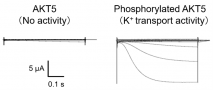
Leaf stalks – the edible part of vegetables like celery and Swiss chard – can grow even bigger than before thanks to key research identifying the role of a potassium channel called AKT5. Until now, its function has been a mystery.
02 Sep 2026
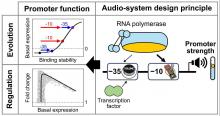
Gene regulation research mainly focuses on transcription factors. However, recent studies reveal core promoters as a critical yet overlooked component shaping the evolution and engineering of transcriptional regulation.
31 Aug 2026
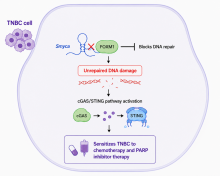
Researchers identify a RNA molecule that promotes DNA repair and immune escape to contribute to the resistance of triple negative breast cancer to chemotherapy and targeted therapy.
27 Aug 2026
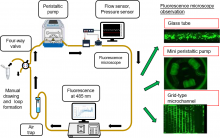
Researchers from the University of Osaka found that amyloid formation is promoted by a combination of shear stress and constrained geometry in an in vitro model of amyloidogenic light chain disease. Applying mechanical agitation or pressure, as well as disaggregating agents, effectively removed amyloid deposits. These findings provide a novel framework for understanding amyloid deposition in organs.
27 Aug 2026
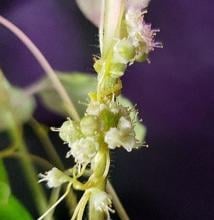
How foreign genes become permanent in parasitic plants
26 Aug 2026
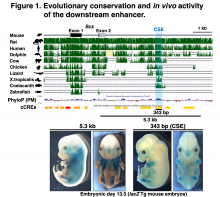
Findings strengthen the scientific basis for regenerative medicine

26 Aug 2026
The brain sends signals to the body, and the body sends signals to the brain. Focusing on the latter system, researchers at Tohoku University found that stimulating the vagus nerve can promote lasting motor learning.
25 Aug 2026
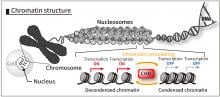
Developmental disorders, including autism, entail challenges in social life; as the number of affected individuals has risen, this has become a significant societal concern. Using a mouse model, we demonstrate that a mutation in CHD8, a gene associated with autism spectrum disorder, causes abnormal differentiation of ventral progenitor cells, leading to autistic-like behavior in adulthood. This should lead to the elucidation of mechanisms underlying autism onset during brain development and to the advancement of therapeutics.
25 Aug 2026
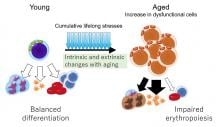
Hematopoietic stem cells can transform into any type of blood cell. However, this ability declines as we age. Recent research at Tohoku University uses AI to guide their deep dive into understanding which genes cause aging in stem cells.
21 Aug 2026
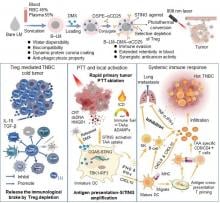
Triple-negative breast cancer (TNBC) accounts for roughly 15–20% of all breast cancer cases and is difficult to treat. Patients are often left with chemotherapy as their only treatment option. This is because TNBC tumors contain a large number of T cells that suppress the immune system. Yet researchers from Tohoku University have come up with a three-pronged approach to overcome this problem.
Events

21 Oct 2026 to 23 Oct 2026
Showcase and connect with our global community of leading research experts, industry representatives and practitioners at the 2026 International Conference on Agriculture Sciences (ICAS 2026) in Bologna, Italy!

23 Jul 2025 to 27 Jul 2025
2025 BIO Asia–Taiwan International Conference and Exhibition will be held on July 23-27, 2025 at the Nangang Exhibition Center, Taipei, Taiwan with the theme “Next Wave of Biotech Opportunities”.

26 Aug 2025 to 29 Aug 2025
ISFMS 2025 is anticipated to attract over 200 participants, including
a diverse international community of researchers, professionals, and
experts in the field of molecular sciences as well as the broader life science community

24 Jul 2024 to 28 Jul 2024
Asia’s largest bioindustry-focused gathering, BIO Asia–Taiwan 2024,
will be held July 24th to 28th, 2024, in Taipei, Taiwan.

26 Jul 2023 to 30 Jul 2023
BIO Asia–Taiwan is Asia's largest biotech networking event, and is jointly organized by the global Biotechnology Innovation Organization (BIO) and the Taiwan Bio Industry Organization (Taiwan BIO).
30 Jul 2021
The International Union of Biochemistry and Molecular Biology (IUBMB), the Federation of Asian and Oceanian Biochemists and Molecular Biologists (FAOBMB) and the College of Biochemists of Sri Lanka (CBSL), will conduct the 1st Virtual Education Symposium themed “The ‘New Normal’ Biochemistry and Molecular Biology Education”, on the 30thof July 2021.

01 Jun 2021 to 30 Jun 2021
The Ocean Celebration event runs 1-30 June 2021 and is organized by the Borneo Marine Research Institute of Universiti Malaysia Sabah.

19 Mar 2020 to 20 Mar 2020
Institute for the Advanced Study of Human Biology(ASHBi) holds the annual symposium with twenty-one speakers who are leading human biology including human development, genetics, and evolution.

14 Jan 2020 to 17 Jan 2020
Organised by the National Research Foundation (NRF) Singapore, the Global Young Scientists Summit (GYSS) brings together distinguished scientists, post-graduates and academics for four days of learning and mentoring from 14 to 17 January 2020.

28 Aug 2019
The 2019 Genome Expo is scheduled to be held at UNIST from August 28 to 29, 2019.
Researchers
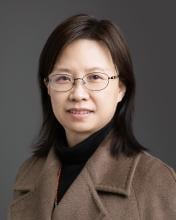
Professor Minyan Wang is a PhD supervisor at the School of Science, Xi’an Jiaotong-Liverpool University, with an honorary appointment at the University of Liverpool. She earned her PhD in Neuropharmacology from the UK in 2004, supported by the Migraine Trust. With over 35 years of expertise in migraine and neurological disorders, she leads internationally collaborative projects on migraine pathogenesis and drug targets. She runs a cutting‑edge platform using multimodal techniques to decode migraine signaling and identify novel drug targets to advance novel therapies.
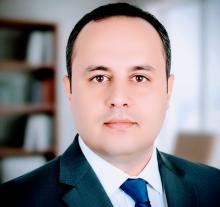
Dr. Yasser, Professor in Biochemistry, Dean of the Center for Research and Strategic Studies at Hajjah University, Yemen. HOD of Pharmacy Department. College of Medicine and Health Science, Hajjah University, Yemen. [email protected]. focuses on drug development, biochemical mechanisms of disease, and drug interactions, with a specific interest in the biological activity of compounds exhibiting anti-inflammatory, anticancer, antimicrobial, and anti-angiogenic properties. I utilize laboratory techniques, data analysis, and potentially clinical studies to advance understanding and improve drug efficacy and safety. My work involves student mentorship and collaboration

A public health researcher and educator specializing in epidemiology, biostatistics, and molecular biology, with a passion for advancing global health, infectious disease control, and data-driven public health solutions.

Wan F. A. Jusoh is currently a Senior Lecturer in Biodiversity and Conservation and serves as the Honours Program Director (Malaysia) at the School of Science, Monash University Malaysia. Her research focuses on the intersection of biodiversity and the history of natural heritage, ranging from studying flashing fireflies to reconstructing timelines of how ecosystems have evolved.

I am an efficient Professor able to Develop courses with IT skills & sound teaching skills in a manner attractive to students. I have vast experience in supervising postgraduate research & Contribute in a well manner to the ongoing academic development of the School’s postgraduate courses and research.

Prof Jun Suzuki is a biochemist and the deputy director at the Institute for Integrated Cell-Material Sciences (iCeMS), Kyoto University, Japan.

Dr Yap is currently a Senior Lecturer and Program Director of Medical Bioscience at Monash University Malaysia. She is dedicated to toxin pharmacology and toxicology research. She has strong background in biomolecular modelling, proteomics, immunological and molecular pharmacology of bioactive toxins. She leads the Toxin Pharmacology Research Group. Her research group now focuses on molecular mechanisms of cytotoxin with the ultimate goal of developing next-generation biotherapeutics. Her research works have been featured in prominent media outlets, including the International Snakebite Awareness Day campaign. Besides active in research, she is also an education innovator who adopts various active learning strategies with technology. She teaches undergraduate units with an emphasis on student-cantered learning using the andragogy approach. Dr Michelle enjoys promoting STEM education to the public. She has organized and hosted several workshops and forums to advance the disciplines in medical sciences through research and education.

Dr Sarkar is a senior research fellow at the Murdoch Children's Research Institute in Melbourne, Australia. She is
actively engaged in collaborating with academic and industry stakeholders and leads multiple projects for the development of novel therapeutics/vaccines to tackle antimicrobial resistance.

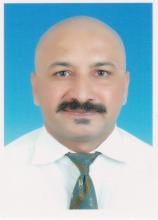
Sarfraz Ahmed is working as a Scientist at Harvard Medical School's Mass General Hospital. His research interests include Diseases and Therapeutics especially focus on Cancer and Therapeutics, Cancer Immunology, Photomedicine, Photo compounds and Photodevices for Cancer, Cancer and Natural agents, Nanomedicine and Nanotechnology for Cancer, Drugs resistance, Microbiology (Bacteriology & Virology) and Drugs resistance
Dr Fabien Grasset is a Research Director at the Centre national de la recherche scientifique (CNRS) and currently serving as Director of Research for Rennes Institute of Chemical Sciences (ISCR). His areas of expertise include materials chemistry, solid-state chemistry, nanotechnology, nanoparticles, optical coatings and thin films.
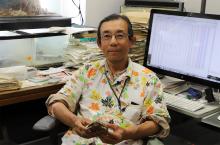
Dr. Eisuke Hasegawa is an Associate Professor at the Graduate School of Agriculture, Hokkaido University, where he heads the Animal Ecology Laboratory. His research interests include animal ecology; evolutionary biology; natural selection; sociality; and ethology.
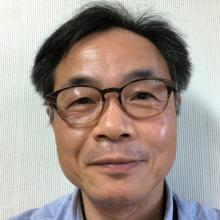
Dr. Yukio Yasui is an Associate Professor at Kagawa University. He has dedicated his research work to ecology, ethology and evolutionary biology studies, with his more recent work on the evolution of sex.
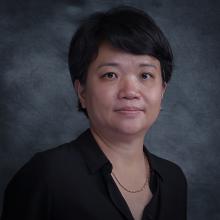
Dr. Wong Sin Yeng is an associate professor and Deputy Director at the Institute of Biodiversity and Environmental Conservation, Universiti Malaysia Sarawak (UNIMAS), whose work has led to identifying hundreds of new plant species in Southeast Asia.
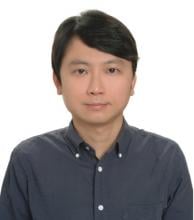
Dr. Zong-Hong Lin is a Professor at the Institute of Biomedical Engineering, National Tsing Hua University and at the Department of Biomedical Engineering, National Taiwan University.
Dr. Cheng-Siang Tan is an Associate Professor at the Faculty of Medicine and Health Sciences, Universiti Malaysia Sarawak (UNIMAS). He is an expert in infectious and emerging diseases and biosafety and biorisk management.

Dr. Ashfaq Ahmad Shah (اشفاک), born on 6 June 1992 and hailing from Doderkoot (ددیرکوٹ), Kulgam, South Kashmir, Jammu and Kashmir, India, is an Indian microbiologist, biomedical scientist, academic researcher, scientific reviewer, and annotation engineer whose professional interests span infection biology, immunology, medical microbiology, antimicrobial research and One Health, pharmacology, natural-product science, and artificial intelligence. Dr. Shah has developed an interdisciplinary scientific career focused on understanding the complex interactions between microorganisms, bioactive compounds, and host immune responses, with particular interest in infection–immunity relationships and the discovery of novel antimicrobial, anti-inflammatory, and immunomodulatory agents. He has been associated with Graphic Era (Deemed to be University), Dehradun, Uttarakhand, India, where he pursued research activities from 2020 to 2025 and subsequently continued his academic and research journey in the health sciences/medicine domain, including his role as an assistant professor and scientist in the University Center for Research and Development, Chandigarh University, Mohali, India. His scientific interests encompass a broad spectrum of contemporary biomedical research, including host–pathogen interactions, infection immunity, antimicrobial resistance, immunomodulation, natural-product pharmacology, microbial metabolites, plant-derived bioactive compounds, disease-model studies, protein–antigen interactions, and novel therapeutic discovery. A distinctive component of his research involves investigating the biological significance of phytoalexins, phytoanticipins, phenolic compounds, and other secondary metabolites, particularly their antimicrobial, anti-inflammatory, and potential immunomodulatory properties. His work seeks to establish meaningful links between the chemical characterization of naturally occurring compounds and their biological effects, thereby contributing to the broader field of infection biology and therapeutic research. Dr. Shah has experience with advanced analytical and biochemical approaches, including GC–MS, HPLC, FTIR, and related hyphenated analytical techniques, for the identification and characterization of microbial and plant-derived metabolites and other biologically active compounds. His wider scientific interests also include **tyrosinase inhibition, polyphenol oxidase inhibition, bioactive compounds relevant to pharmaceutical and dermatological applications, and experimental approaches for evaluating antimicrobial and pharmacological activity. Over the course of his academic career, Dr. Shah has contributed to scientific literature through research publications, academic books, book chapters, scientific reviews, and editorial activities. He has published more than 40 scientific papers in national and international journals, including publications in Scopus- SCIE, and Web of Science-indexed journals (Q1, Q2), and has contributed to international academic books and scholarly chapters. His work reflects an interdisciplinary approach in which microbiology is integrated with immunology, pharmacology, analytical chemistry, biotechnology, and biomedical science. In recognition of his academic contributions and scientific work in the area of infection and immunity, Dr. Shah received the Young Scientist Award in August 2023. Alongside his research and academic responsibilities, he has served as a scientific reviewer and editorial contributor associated with scholarly journals, books, and academic initiatives, enabling him to participate in the broader international process of scientific communication and peer review. Dr. Shah has also developed an international academic network through professional interactions and research-related collaborations with scientists and scholarly communities from different parts of the world, including the United States of America, Japan, Malaysia, and other international research environments. These interactions have supported scientific exchange, collaborative discussions, and exposure to diverse approaches in microbiology, immunology, biomedical research, and emerging scientific technologies. His international engagement complements his core research activities and reflects his commitment to developing a globally connected scientific career. Beyond conventional research and academic publishing, Dr Shah has made sustained contributions to the dissemination of medical and scientific knowledge through **Wikipedia**, where he has been an active contributor to medical-science content since 2015. With more than 1,000 edits related to medical and scientific topics, he has contributed to the organisation and accessibility of scientific information for a worldwide readership.Dr Shah has also submitted his NGS work, like nucleotide sequences of mutated genes, to the gene banks like the National Library of Medicine (NCBI) USA.gov.

Dr. Tay has researched antibodies and diseases like malaria and SARS-CoV-2 at A*STAR. His focus is on discovering methods for developing antibodies that can be used in therapies against multidrug-resistant pathogens.
Professor Crumlish has researched aquatic microbial diseases, specifically ones that have economic impact in global aquaculture, and potential solutions to such infectious diseases. Her current project seeks to develop vaccines against antimicrobial resistance in aquaculture.
Dr. Singhal serves as senior principal investigator at the Bacterial Immunopathology Lab at A*STAR ID Labs in Singapore. His work at A*STAR ID Labs revolves around three main pathogens: Mycobacterium tuberculosis, Gram-negative bacteria and Dengue virus.

Dr. Ikhsan is an associate professor at the Department of Aquaculture, University Putra Malaysia. She specializes in the field of Aquatic Microbial Ecology particularly in the development of innovative and sustainable microbial management strategies through understanding of the host-microbe interaction for enhanced microbial stability.

Dr. Oehlers leads the Bacterial Pathogenesis Laboratory at A*STAR ID Labs, where he and his colleagues focus on identifying molecular bases of mycobacterial disease and, thus, deploy therapies that address antibiotic resistance in mycobacterial infections.
Dr. Yue Wang is senior principal investigator at the Antifungal Resistance Laboratory of A*STAR ID Labs, where his body of work focuses on virulence mechanisms of the fungal human pathogen Candida albicans.

Dr. Bifani is a principal investigator at A*STAR ID Labs at their Antimicrobial Resistance Lab. He has extensively researched antimicrobial resistance in tuberculosis and malaria. He is also an associate professor and research director at the Yong Yoo Lin School of Medicine, National University of Singapore.
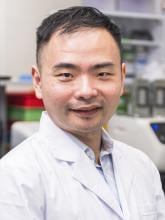
Dr. Yan is an assistant professor at the Department of Biomedical Sciences, City University of Hong Kong (CityU). His current research focuses on developing genomic tools to dissect lncRNA function and mechanism in diseases and to identify genetic variations that contribute to disease pathogenesis.
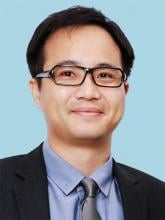
Dr. Deng is a biomedical scientist with a special interest in bacterial virulence, including gene regulation, signaling pathways, and RNA epigenetics. He has worked on virulence regulation in pathogens to discover new therapies against bacterial infections.
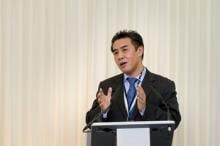
Dr. So Iwata is a Professor at the Graduate School of Medicine Kyoto University and the Group Director of the SACLA Science Research Group, RIKEN SPring-8 Center. He has investigated how specialized membrane channels remove antimicrobial drugs from inside bacterial cells.
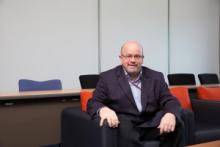
Dr. Mitchell is a professor at the Department of Biological Sciences, Ulsan National Institute of Science and Technology (UNIST). His primary research interest is the study of bacterial strains that attack and prey on other bacteria, including antimicrobial-resistant pathogens.
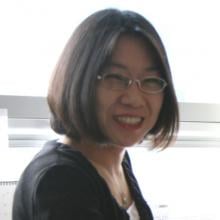
Dr. Soojin Jang heads the Antibacterial Resistance Research Laboratory at Institut Pasteur Korea, where her team focuses on discovering new antibacterial agents for “superbugs” or bacteria resistant to most antibiotics.
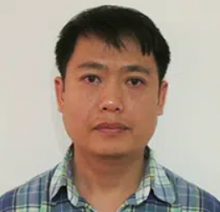
Nguyen Huu Nghia is the Director of the Center for Environment and Disease Monitoring in Aquaculture (CEDMA) at the Research Institute for Aquaculture No.1 (RIA1) under Vietnam’s Ministry of Agriculture and Rural Development. He has co-managed various research efforts in Vietnam aquaculture as well as published recent research into the use of nanobubbles.
Giants in history

Japanese biochemist Akira Endo (1933 – 2024) discovered the first statin, called mevastatin, which lowered cholesterol levels in the blood by inhibiting a key enzyme in the cholesterol biosynthesis pathway. His work laid the foundation for the development of statins to help patients lower their blood cholesterol levels and reduce their risk of heart disease or stroke.

Chinese biochemist Chi Che Wang (1894 - 1979), one of the first Chinese women to study abroad, advanced to prominent research positions at American institutions including the University of Chicago and the Northwestern University Medical School.
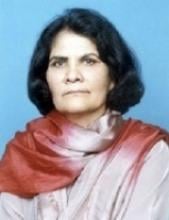
Pakistani botanist Azra Quraishi (22 September 1945 – 22 November 2002) is recognised for developing virus-free seed potatoes that increased potato production in Pakistan by an estimated five per cent.

Flora Zaibun Majid ( 1939–2018) was an accomplished Bangladeshi researcher in botany and nutrition science and the first female chairperson of the Bangladesh Council of Scientific and Industrial Research.

Sálim Moizuddin Abdul Ali (12 November 1896 – 20 June 1987), commonly referred to as the Birdman of India, was the first person to conduct systematic surveys of birds from across India.

Indian botanist Shipra Guha-Mukherjee (13 July 1938 – 15 September 2007) made a breakthrough discovery that enabled the genetic study of plants and, by extension, the development of improved varieties of rice, wheat, potatoes, and other crops.

During her short life, Fahire Battalgil (1902 - 1948) achieved renown as the first zoologist from Turkey to make strides in the field of freshwater fish biodiversity.
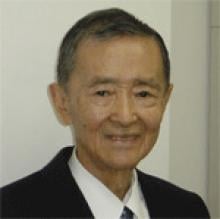
Michiaki Takahashi (17 February 1928 – 16 December 2013) was a Japanese virologist who developed the first chickenpox vaccine.

Irene Ayako Uchida’s (8 April 1917 – 30 July 2013) strides to understand genetic diseases such as Down syndrome paved the way for early screening of chromosomal abnormalities in foetuses.
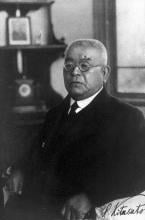
Baron Kitasato Shibasaburo (29 January 1856 – 13 June 1931) was a Japanese physician and bacteriologist whose work led to a new understanding of preventing and treating tetanus, diphtheria and anthrax.
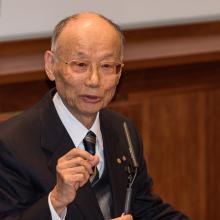
By isolating soil microorganisms and studying the compounds they produce, Satoshi Omura (born 1935) discovered almost 500 organic compounds with unique properties that were produced by these microorganisms, including many new antibiotics.
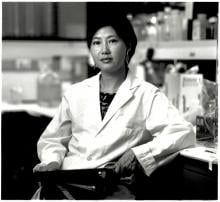
Chinese-American virologist and molecular biologist Flossie Wong-Staal (27 August 1946 – 8 July 2020) was the first scientist to clone HIV and determine the function of its genes.

Maharani Chakravorty (1937 – 2015) was one of India’s earliest molecular biologists whose research paved the way for advances in the treatment of bacterial and viral infections.

Archana Sharma (16 February 1932 - 14 January 2008) conducted research into plant and human genetics that expanded the understanding of both botany and human health. In relation to botany, she uncovered the means by which asexually-reproducing plants evolve into new species.

Hwang Hye-seong (5 July 1920 – 14 December 2006) was an expert on Korean royal court cuisine, the knowledge of which she dedicated her career to keeping alive. Formerly an assistant professor of nutritional science, Hwang met the last kitchen court lady in the Joseon Dynasty Han Hui-sun and, from her, learned about the culinary traditions of the royal court.
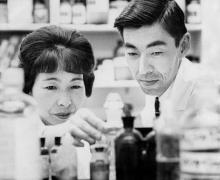
Husband and wife team, Kimishige (3 December 1925 – 6 July 2018) and Teruko Ishizaka (28 September 1926 – 4 June 2019) discovered the antibody class Immunoglobulin E (IgE) that triggers allergic reactions. They also discovered that IgE antibodies attach to white blood cells, known as mast cells, releasing histamine, which causes allergic reactions.
Husband and wife team, Kimishige (3 December 1925 – 6 July 2018) and Teruko Ishizaka (28 September 1926 – 4 June 2019) discovered the antibody class Immunoglobulin E (IgE) that triggers allergic reactions. They also discovered that IgE antibodies attach to white blood cells, known as mast cells, releasing histamine, which causes allergic reactions.
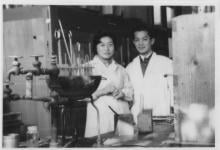
Reiji Okazaki (8 October 1930 – 1 August 1975) and Tsuneko (7 June 1933) were a Japanese couple who discovered Okazaki fragments – short sequences of DNA that are synthesized during DNA replication and linked together to form a continuous strand.
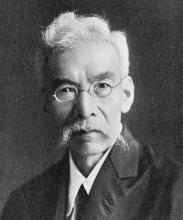
In 1915, pathologist Katsusaburo Yamagiwa and his research assistant Koichi Ichikawa became the first to prove that chronic exposure to chemicals can cause cancer.

Edgardo Dizon Gomez (7 November 1938 – 1 December 2019) was a Filipino marine biologist who recognized the need to protect marine resources, especially coral reefs, in the Philippines.

Gloria Lim (1930-2022) was a mycologist from Singapore who studied tropical fungi. One of the first students to attend University of Malaya when it was founded in 1949, she went on to become the first female Dean of the Faculty of Science at the University of Singapore.

Michiyo Tsujimura (17 September 1888 – 1 June 1969) was a Japanese agricultural scientist and biochemist recognized for her research of green tea components.
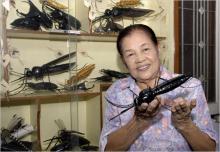
Rampa Rattanarithikul is a Thai entomologist who is a leading expert on mosquitoes. Rattanarithikul began her scientific career as a technician collecting mosquito specimens for the United States Operations Mission (USOM) malaria control program. Throughout her career, she discovered 23 species and officially described 13 others.
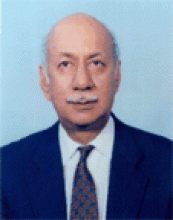
Syed Qasim Mehdi (13 February 1941 – 28 September 2016) was a Pakistani molecular biologist who was a founding member of the Human Genome Diversity Project (HGDP), which assessed human diversity by studying human migration, mutation rates, relationships between different populations, genes involved in height and selective pressure.
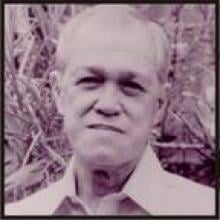
Julian Arca Banzon (13 March 1908 – 13 September 1988) was a biochemist from the Philippines who was a pioneer in alternative fuel research. Banzon investigated the use of indigenous crops as sources of renewable fuels and chemicals.

Hitoshi Kihara (1893 – 1986) was one of the most famous Japanese geneticists of the 20th century. One of his most significant contributions was identifying sex chromosomes (X and Y) in flowering plants.
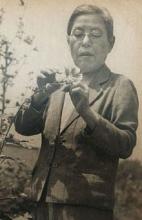
Kono Yasui (16 February 1880 – 24 March 1971) was a Japanese botanist who researched the genetics of poppies, corn and spiderworts and surveyed the plants that had been affected by the nuclear fallout after the atomic bombings of Hiroshima and Nagasaki.

Susan Lim (14 February 1952 – 2 August 2014) was a Malaysian parasitologist who specialized in studying a class of flatworms, the Monogeans, which are parasites of fishes.
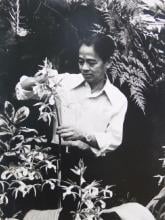
Rapee Sagarik (4 December 1922 – 17 February 2018) was Thailand’s renowned expert on orchids.

Maqsudul Alam (14 December 1954 – 20 December 2014) was a biologist from Bangladesh who is renowned for his research on genome sequencing