
Science
News
16 Oct 2026
Kanazawa University
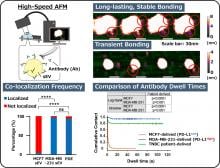
Researchers at the Nano Life Science Institute (WPI-NanoLSI) at Kanazawa University have developed a way to observe how antibodies interact with a cancer-related protein carried on tiny membrane-bound vesicles released by cells. Using high-speed atomic force microscopy, they found that measuring how much of the protein is present does not necessarily show how accessible it is to antibodies. The findings reported in the journal Small Methods provide a new way to investigate differences between individual cancer-derived vesicles although further research is needed before the approach can be used clinically.
16 Oct 2026
Ehime University
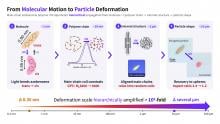
Tomomichi Itoh and his colleagues at Ehime University have shown how tiny light-induced molecular shape changes can be amplified into visible deformation of polymer microparticles. The team developed light-responsive particles containing azobenzene molecules and revealed how structural changes triggered by light spread through the material, ultimately deforming particles several to tens of micrometers in size. These findings provide new insights for designing light-driven microscale materials and devices.
16 Oct 2026
Lingnan University
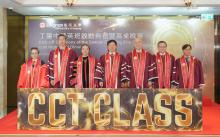
Lingnan University has announced the admission of 14 outstanding students to its inaugural Samuel C.C. Ting Elite Class (CCT Class). Selected from high-achieving undergraduates awarded University Entrance Scholarships, the students come from eight countries and regions, namely the Hong Kong SAR, the Chinese Mainland, Ethiopia, Kyrgyzstan, Nepal, the Philippines, Russia, and the UK. They will receive four-year full-tuition scholarships, a guaranteed hostel place with fees covered for four years, dedicated one-to-one mentorship, artificial intelligence (AI) training provided by leading multinationals, precedence in frontier research projects, opportunities to meet Nobel laureates and leading scholars, and priority for admission to postgraduate programmes.
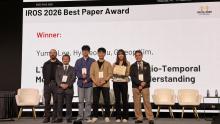
16 Oct 2026
Daegu Gyeongbuk Institute of Science and Technology (DGIST)
- Sole winner among 1,933 papers; develops “long-term memory for robots” that tracks the history of objects in changing spaces
- Understands spatial and temporal changes simultaneously using only video, without expensive sensors; “Expected to accelerate commercialization of household and logistics robots”

16 Oct 2026
YOKOHAMA National University
Researchers develop experimental modeling method that streamlines traditional process, resulting in more predictions across more applications
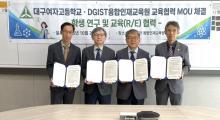
16 Oct 2026
Daegu Gyeongbuk Institute of Science and Technology (DGIST)
- MOU signed with Daegu Girls’ High School, Gyungbuk Girls’ High School, and Suseong High School for collaboration on student research (R/E)
- Practical career exploration programs to be operated, including research mentoring and open-lab visits
15 Oct 2026
Ehime University
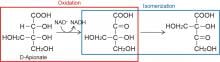
Only four enzymes including D-apionate oxidoisomerase (ApnO) are known to catalyze distinct, sequential chemical reactions at a single active site. Biochemical and crystallographic analysis revealed the catalytic mechanism of ApnO containing zinc and manganese ions as metal cofactors, and unique tetrahedral coordination geometry of the later. This study provides new insight into the molecular evolution of rare enzymes that defy the general paradigm wherein a single enzyme's activity is classified under a single reaction mode.
15 Oct 2026
Sungkyunkwan University
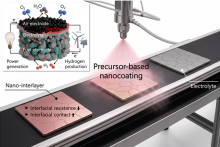
Nanocoating technology reduces interfacial resistance between electrode and electrolyte, maximizing efficiency in both hydrogen production and power generation
14 Oct 2026
The University of Osaka
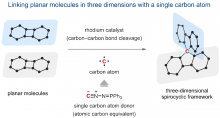
Researchers from the University of Osaka have developed a rhodium-catalyzed reaction that uses a single carbon atom to join two flat molecules into a rigid 3D spirocyclic structure. The reaction cleaves carbon–carbon single bonds and forms four new carbon–carbon bonds around one central carbon. It can join identical or different molecules, and it is expected to aid the design of new functional molecules for applications such as electronic materials.
13 Oct 2026
Tohoku University
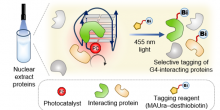
A new labeling tool reveals an unlikely candidate involved in the DNA folding process: hexokinase-1. The exciting new method can be used to determine how DNA and proteins interact.
13 Oct 2026
Tohoku University
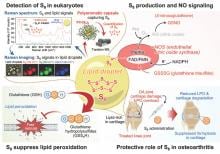
Elemental sulfur is widely known to occr in microorganisms, plants, and fungi, but whether mammals produce and use elemental sulfur has remained unclear.Now, a collaborative team has finally answered this question, discovering that mammalian cells and tissues produce and store cyclo-octasulfur - a stable form of elemental sulfur composed of eight sulfur atoms arranged in a ring.
13 Oct 2026
Sungkyunkwan University
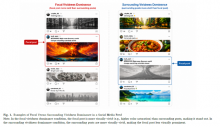
A joint study demonstrates that brighter, more colorful fake posts capture user gaze faster, yet overall memory retention remains unaffected by surrounding visual contrast

13 Oct 2026
Springer Nature
Land is sinking in some major cities worldwide, including Mexico City, Mexico and Medan, Indonesia, according to a new study of satellite observations
09 Oct 2026
Lingnan University
Lingnan University has achieved remarkable results in the 2026 edition of the World’s Top 2% Scientists list published by Stanford University. The 54 Lingnan scholars named represent an increase of about 25 per cent over last year’s 43. Among them, 21 are ranked in the world's top 100, and six are ranked first either in China or the Hong Kong SAR in their respective disciplines, underscoring international recognition of Lingnan’s academic influence as it transforms into a research-oriented liberal arts university comprehensive in arts and sciences in the digital era.

09 Oct 2026
Asia Research News
DNA breakdown in real time, How crystals bend without breaking, Mini-brain for Parkinson’s,
Heavy water helps weather forecasts, Exploring fish diversity and Mindfulness and self-stigma. Read it all in this month's Editor's Choice

09 Oct 2026
Springer Nature
Nearly 300,000 people may live in areas at risk of flooding in the Nepalese, Indian, and Chinese areas of the Himalayas, according to new study
08 Oct 2026
Sungkyunkwan University
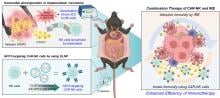
Offering a New Strategy for Refractory Solid Tumors
07 Oct 2026
Sungkyunkwan University
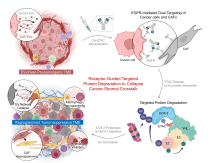
Targeted platform simultaneously seeks out cancer cells and surrounding cells that support tumor growth
07 Oct 2026
Sungkyunkwan University
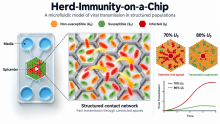
A compact, centimeter-scale microfluidic chip uses 444 interconnected hexagonal microchambers to model population density, spatial contact, and social distancing.

07 Oct 2026
Sungkyunkwan University
Findings suggest a new therapeutic strategy to enhance antibiotic penetration
07 Oct 2026
Daegu Gyeongbuk Institute of Science and Technology (DGIST)
- Three institutions, including Quantum Ventures Korea and the Korea Credit Guarantee Fund, participate in investment; accelerating advancement of the “SynK” platform and recruitment of key talent
- Robots autonomously generate maps and recover from errors; fully automated installation and maintenance help address workforce shortages in the field
- Targeting the global market following exports to Taiwan
07 Oct 2026
Daegu Gyeongbuk Institute of Science and Technology (DGIST)
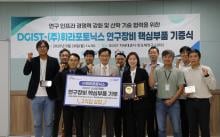
- Next-generation semiconductor process research gains momentum with substantive resource support from Fi-ra Photonics
- Supporting the stable operation of shared-use equipment to improve equipment utilization and process service efficiency
- Integrating corporate resources with research sites, reinforcing the foundation for mutually beneficial industry-academia-research collaboration
07 Oct 2026
Daegu Gyeongbuk Institute of Science and Technology (DGIST)
- 10 courses in mathematics, science, and AI for fifth-grade elementary through second-year middle school students in Daegu and Gyeongbuk; applications open October 19
- “Working closely with DGIST faculty”: Comprehensive support ranging from hands-on laboratory experiences to career mentoring
07 Oct 2026
Daegu Gyeongbuk Institute of Science and Technology (DGIST)
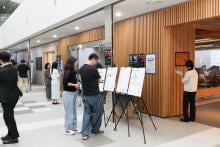
- Diverse two-week program successfully concludes with a series of special lectures by seven distinguished speakers, a slogan contest, and an exhibition of outstanding companies
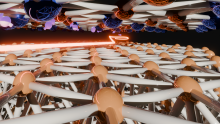
06 Oct 2026
The University of Osaka
Researchers led by the University of Osaka have directly observed a heavy-fermion state forming at the interface between a one-atom-thick ytterbium–copper layer and a copper substrate. Using synchrotron-based measurements, they showed that electrons across the interface interact to create this unusual quantum state. The finding offers a new approach to designing low-dimensional quantum materials and may help enable previously unexplored phenomena, including unconventional superconductivity.
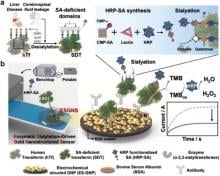
06 Oct 2026
Sungkyunkwan University
New sensing technology uses enzymes to selectively distinguish subtle differences in sugar structures on protein surfaces
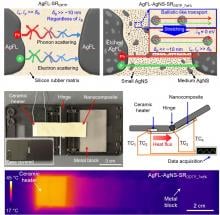
06 Oct 2026
Sungkyunkwan University
Uniform dispersion of 3.4-nanometer silver particles in stretchable rubber enhances both thermal and electrical conductivities under strain

05 Oct 2026
Ateneo de Manila University
Philippine Studies: Historical and Ethnographic Viewpoints has just published its latest issue, The Limits of Liberalism.
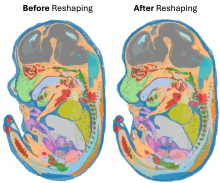
02 Oct 2026
Kanazawa University
A new computational method aligns spatial transcriptomics data while retaining cell-level measurements.
02 Oct 2026
The University of Osaka
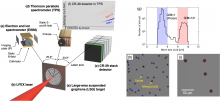
Researchers from the University of Osaka and collaborating institutions accelerated protons to nearly half the speed of light using a long-pulse laser and ultrathin graphene. A moving electric field carried the protons to high energies, and artificial intelligence helped detect rare high-energy particles among millions of detector images. This technique could pave the way for future AI-driven autonomous laser experiment systems.
Events

11 Nov 2026
Frontiers in Cancer Science 2026 welcomes you to our 18th International Conference.
21 Oct 2026
Showcase and connect with our global community of leading research experts, industry representatives and practitioners at the 2026 International Conference on Agriculture Sciences (ICAS 2026) in Bologna, Italy!

17 Sep 2026
Step into the Future at Taiwan Innotech Expo 2026!
Get ready for one of Asia’s premier innovation events — Taiwan Innotech Expo (TIE), happening September 17–19, 2026 at Taipei World Trade Center Hall 1!
01 Sep 2026
The fourth edition of Asia Bio Partnering Forum will continue to build on its strong start and the unrivalled success of its sister event ChinaBio™ Partnering Forum.

08 Sep 2026
ICMST 2026 provides a dynamic platform for interdisciplinary engagement, bringing together researchers, clinicians, industry leaders, policymakers, and students to share cutting-edge research findings, technological innovations, and best practices in medical science and healthcare.
28 Apr 2026
Engage with the largest network of potential partners to accelerate your cross-border strategies and expand your reach into the China market.
21 Aug 2026
We are thrilled to announce that the 12th World Sustainability Forum (WSF-12) — a prestigious and long-running global event — will be held in Hong Kong from 21–24 August 2026.

27 Nov 2025
This international symposium welcomes researchers, academics, lecturers, students, and professionals in natural sciences, natural history, and museum studies to exchange knowledge, build skills and expertise, and connect with a global network of professionals and institutions.

12 Nov 2025
This symposium aims to bring together international participants from both academic research and professional practice to exchange insights and experiences in science communication, with a focus on advancing global efforts to promote scientific literacy.
11 Nov 2025
The Joint 'PCST Japan Symposium' and '7th JSF Conference' will be held from 11 to 13 November 2025 in Tokyo, Japan organised by Japan Scicom Forum (JSF) and hosted by Earth-Life Science Institute (ELSI), Tokyo.
The joint symposium will focus on the strategic development of science communication and public engagement in Asia by highlighting innovative practices and solutions from around the world for engaging diverse audiences in non-Western contexts to create a sustainable ecosystem within the region.

27 Oct 2025
SJF25, the most diverse event for science journalism, will take place from October 27 to 30, 2025, offering a hybrid experience accessible from the UAE or anywhere in the world.

26 Aug 2025
Step into the future of global healthcare at MTE 2025: Advanced Healthcare and Life Sciences International Innovation Awards & Expo (AHLS IIAE) — a world-class virtual platform where groundbreaking innovation meets human-centered care.
08 Jun 2025
The 2025 Symposium on VLSI Technology and Circuits will be held on June 8-12, 2025, JST. All the meetings will be held at RIHGA Royal Hotel Kyoto, Horikawa Shiokoji, Shimogyo ku , Kyoto 600 8237, Japan.
Held as a five-day at the Rihga Royal Hotel, as well as selected presentations and panel sessions, the Symposium will feature advanced VLSI technology developments, innovative circuit designs, and the applications they enable, such as artificial intelligence, machine learning, IoT, wearable/implantable biomedical applications, big data, cloud / edge computing, virtual reality (VR) / augmented reality (AR), robotics, and autonomous vehicles.
The weeklong Symposium will continue its reputation as the microelectronics industry’s premiere international conference integrating technology, circuits, and systems with a range and scope unlike any other conferences. In addition to the technical presentations, the Symposium program will feature a demonstration session, evening panel discussions, joint focus sessions, short courses, and workshops.

23 Aug 2025
We are pleased to announce the 7th edition of the International Conference on Biospheric Harmony (ICOBAR), hosted by BINUS University in collaboration with the Ikatan Ilmuwan Indonesia Internasional (I4) under the auspices of the Indonesian Diaspora Scientific Forum (FIDI).

27 Nov 2025
The Belgian Pandemic Intelligence Network is organising an international scientific symposium and stakeholder workshop on communication for evidence-informed policy-making in crisis management.

11 Sep 2025
Join us in celebrating our 25th anniversary at the #GIS25: Genome Innovation and Precision Medicine Conference!

23 Jun 2025
Join us for the 𝟭3𝘁𝗵 𝗜𝗻𝘁𝗲𝗿𝗻𝗮𝘁𝗶𝗼𝗻𝗮𝗹 𝗖𝗼𝗻𝗳𝗲𝗿𝗲𝗻𝗰𝗲 𝗼𝗻 𝗔𝗽𝗽𝗹𝗶𝗲𝗱 𝗦𝗰𝗶𝗲𝗻𝗰𝗲 𝗮𝗻𝗱 𝗧𝗲𝗰𝗵𝗻𝗼𝗹𝗼𝗴𝘆 (𝟭3𝘁𝗵 𝗜𝗖𝗔𝗦𝗧 𝟮𝟬𝟮5) hybrid conference, on 23-24 June 2025 in Phuket, Thailand. With the conference theme of "Fostering Synergy across Disciplines and Emerging Technologies for Sustainable Solutions." 13th ICAST 2025 aims to bring together academics, researchers, practitioners, and industry experts to share their knowledge and experiences on the latest advancements, applications, and innovations in the field of science and technology. We invite submissions of original and innovative research in various fields of science and technology. Submit now at http://icast.arms.org.my/openconf/ For more information, please visit our conference website at http://icast.arms.org.my/ #ICAST #ICAST2025 #HybridConference #Callforpapers

26 Aug 2025
ISFMS 2025 is anticipated to attract over 200 participants, including
a diverse international community of researchers, professionals, and
experts in the field of molecular sciences as well as the broader life science community

08 Feb 2025
A symposium that will discuss how to address multifaceted challenges of inequality and promote science for sustainability will take place in person and online on February 8, 2025.
29 May 2025
For over 35 years, ITEX has been the premier event in Asia for inventors and investors to connect and collaborate. Held at the KL Convention Centre in Malaysia, ITEX offers a unique opportunity to showcase your inventions to a global audience and propel your ideas forward.

23 Oct 2024
The formal launch of the Pacific Academy of Sciences and its Foundational Fellows will be an official side-event at the Commonwealth Heads of Government meeting in Samoa.
30 Oct 2024
Join the Deep Ocean Symposium to explore the impact of seabed exploration and mining on our future. Thursday October 31, 2024, 9am to 4pm (Cook Islands Standard Time) Rarotonga, Cook Islands.
19 Sep 2024
World experts on Tropical Medicine and malaria will meet in ICTMM 2024 in Kuching to work towards SDG target 3.3 which is to end the epidemics of AIDS, tuberculosis, malaria and neglected tropical diseases.
16 Oct 2024
Join this multidisciplinary conference where we will be focusing on policy issues and scientific findings for harmonising humanity with nature in the Tropics.

22 Aug 2024
International Conference on Advanced Robotics and Intelligent Systems (ARIS & NCAR 2024) serves as an innovation-driven catalyst for global dialogues in advancing science and technology spanning over 40 topics. To navigate the landscape of science and technology, the conference highlights interdisciplinary faculty interactions and promotes transnational research collaborations to map out cutting-edge scientific ecosystems of future in the ever-evolving world. The conference would be held from August 22 to 24, 2024 at National Taiwan University (NTU) in Taiwan.

01 Oct 2024
The Geological Society of Malaysia is pleased to announce that the 37th National Geoscience Conference (NGC 2024) will be held at Kuala Lumpur during 1st-3rd October 2024.

13 Nov 2024
FCS2024 is jointly organized by eight major research institutes in Singapore and includes a line-up of internationally renowned cancer experts. The conference converges the latest cancer discoveries around the world and promises ground-breaking and innovative insights into cancer research.

28 Oct 2024
The Science Journalism Forum is back for its fifth edition!
SJF is a fully virtual global event where science journalists, writers, publishers, scientists, students, and academia can share new ideas and thoughts in science journalism. The forum aims to empower all stakeholders with new tools to help them communicate, network, and learn from their peers worldwide.
27 May 2024
The 4th International Conference on Small Island Developing States (SIDS4), co-chaired by New Zealand and the Maldives, will take place from 27 to 30 May 2024 in Antigua and Barbuda under the theme “Charting the Course Towards Resilient Prosperity”.
Researchers
Mahmudul Hasan Shoron is an independent Bangladeshi researcher specializing in Jurimetrics, Computational Linguistics, and Structural Data Architecture. He develops breakthrough scientific models using a smartphone.
Dr. Changfang Zhao, is a Associate Professor at Hefei University of Technology. He is an active and young scholar, born on September 19, 1995. His research activities are focused on fiber reinforced plastics, mechanical metamaterials, and some engineering structures. He received his Bachelor’s degree and Doctorate in Engineering from Nanjing University of Science and Technology (NJUST) in Jun. 2018 and Jun. 2023, respectively. From Nov. 2021 to Oct. 2022, he was a joint-training Ph.D. student at the National University of Singapore, supported by a scholarship from the Ministry of Education of China (i.e., CSC). From Jan. 2022 to Nov. 2022, he conducted collaborative research at Newcastle University (UK) as a Visiting Scholar. From Jul. 2023 to Jul. 2025, he was employed as a Postdoctoral Fellow at Tsinghua University. From Jan. 2025 to Jan. 2026, he was appointed as a Visiting Professor at Lomonosov Moscow State University.
To date, he has published over 100 papers and obtained over 10 patents. He currently serves as the host for the National Natural Science Foundation of China, the China Postdoctoral Science Foundation, and the Postdoctoral Fellowship Program of CPSF. He has served as host for the China Scholarship Council, the Postgraduate Research & Practice Innovation Program of Jiangsu Province, and the Excellent Doctor Training Fund of NJUST. He has been the recipient of the National Scholarship for Doctoral Students from the Ministry of Education of China, the President’s Medal from NJUST, the ScienceFather Young Scientist Award, and the IAAM Young Scientist Medal. He is a member of both the Chinese Society for Composite Materials and the Chinese Society of Theoretical and Applied Mechanics. It is also noteworthy that he is a Vebleo Fellow Jr. He currently serves as a Guest Editor for the journals of Polym. Int., Polymers, Adv. Polym. Technol., Front. Mater., and Processes. Additionally, he is a peer reviewer for the journals of Addit. Manuf., Compos. Part B-Eng., Int. J. Impact Eng., Thin-Walled Struct., Ocean Eng., Compos. Struct., J. Alloys Compd., etc. He maintains an open, interdisciplinary, and pure research attitude, embracing a commitment to rigorous scientific inquiry.
I am a Ugandan female National, an educator and a researcher, experienced in teaching, research and mentorship. I hold a PhD in physics Education with a masters of science in Physics. https://scholar.google.com/citations?user=Z3CH99gAAAAJ&hl=en
Xi'an Jiaotong-Liverpool University
Professor Minyan Wang is a PhD supervisor at the School of Science, Xi’an Jiaotong-Liverpool University, with an honorary appointment at the University of Liverpool. She earned her PhD in Neuropharmacology from the UK in 2004, supported by the Migraine Trust. With over 35 years of expertise in migraine and neurological disorders, she leads internationally collaborative projects on migraine pathogenesis and drug targets. She runs a cutting‑edge platform using multimodal techniques to decode migraine signaling and identify novel drug targets to advance novel therapies.
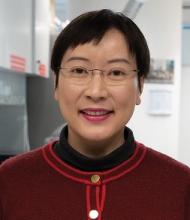
City University of Hong Kong (CityUHK)
Prof. Lin focuses on technological advancement of circular waste-based biorefinery for sustainable production of chemicals, materials and fuels, that contributes to reduction of environmental burden of waste disposal and resource efficiency.
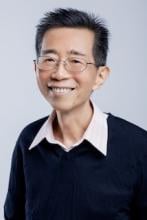
Dr Chia is a longevity scientist engaged in disease-free longevity, and preventing and reversing diabetes, hypertension, dementia, heart disease and cancer remission. Through breakthrough discoveries, it’s not science fiction anymore!
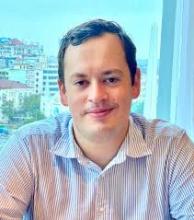
Felix Christian Haas is a development consultant, advisor and researcher with interest in the interface of business and politics/policy in Southeast Asia (specifically Myanmar) and Europe. He is open to any collaboration, joint publications or to providing commentary on economic development related issues in Asia (e.g. trade, investment), on geopolitical and international relations as well as on issues related to Myanmar.

I am currently taking my role in the Geosciences Department, Universitas Indonesia, as Assistant Professor, focusing on Sedimentology and Petroleum Geology.

My research experiences include earthquake source physics, numerical modeling, seismic delay time tomography, and earthquake monitoring. Currently, my research includes dynamic rupture simulation on geometrically complex faults, high frequency earthquake source model, and machine learning in earthquake source. Also, I am interested in observational seismology and high performance computing.

Dr. Muhammad Abdul Basit is an established academician who is concomitantly working in science and arts, accomplishing the publications of multiple books as well as more than 100 international research publications in the field of nanomaterials, thin-film techniques, and photoenergy applications. Dr. completed did his PhD & Post-Doc. from Hanyang University, south Korea and currently serving as an Associate Professor at the Institute of Space Technology, Pakistan where he is leading the Nanomaterials for Advanced Energy Applications research group and lab. Dr. Basit has won multiple intellectual capability awards from various agencies such as HEC Pakistan, PCK Korea and DAAD-Germany.

Dr. Umedjon Khalilov is a computational materials scientist with over 20 years of experience in atomistic modeling of nanostructures. His research integrates molecular dynamics (MD), Monte Carlo (MC), and density functional theory (DFT) simulations to investigate the synthesis, stability, and functionality of carbon-based and silicon-based nanomaterials. He has led or contributed to numerous international projects focused on hydrogen storage, carbon nanotube growth, and surface reactions in plasma environments. Dr. Khalilov is also actively involved in AI-driven materials discovery and collaborative platforms bridging simulation with experiment.
He has authored 40+ peer-reviewed publications in leading journals.
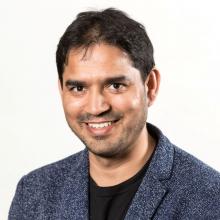
Universiti Brunei Darussalam
Afroz Shah is an earthquake scientist, educator, and National Geographic Explorer who specializes in structural geology and seismic hazards. He is a Senior Assistant Professor at the Department of Geosciences, Universiti Brunei Darussalam (UBD). His research focuses on earthquake-causing faults and the deformation of lithospheric plates, particularly in South and Southeast Asia. Afroz earned his Ph.D. in 2010 from James Cook University, Australia, followed by a postdoctoral fellowship at the Earth Observatory of Singapore (2013). He began his academic career as a Senior Lecturer in Structural Geology at Curtin Sarawak, Malaysia, before joining UBD, where he leads geoscience education and outreach initiatives.

Tahiya Tasnim is a distinguished academic researcher and educator driving research-driven interventions that bridge academia and communities. She specializes in education, planetary health, and sustainability, empowering marginalized communities through research, developing curricula, and advocacy.

Sadia Salim is an environmental and public health researcher working on climate change, planetary and environmental health, WASH, sustainability, education and empowerment, and grassroots community development and resilience in vulnerable regions.

Monash University
Wan F. A. Jusoh is currently a Senior Lecturer in Biodiversity and Conservation and serves as the Honours Program Director (Malaysia) at the School of Science, Monash University Malaysia. Her research focuses on the intersection of biodiversity and the history of natural heritage, ranging from studying flashing fireflies to reconstructing timelines of how ecosystems have evolved.

Nehaluddin Ahmad (born in 1952) is a public figure and prominent academician from India who served as a law professor at the Sultan Haji Hassanal Bolkiah Faculty of Law, Sultan Sharif Ali Islamic University (UNISSA) in Brunei Darussalam

I am an efficient Professor able to Develop courses with IT skills & sound teaching skills in a manner attractive to students. I have vast experience in supervising postgraduate research & Contribute in a well manner to the ongoing academic development of the School’s postgraduate courses and research.

National Taiwan University
Professor Ru-Shi Liu, based at the Department of Chemistry, National Taiwan University (NTU) research interests span several areas, including investigating phosphor materials for light-emitting diodes (LEDs), exploring materials for energy conversion (such as water splitting, fuel cells, and batteries), and delving into the application of nanomaterials in medicine, particularly for photodynamic therapy.

Daegu Gyeongbuk Institute of Science and Technology (DGIST)
Professor In Soo-Il from the Department of Energy Engineering at DGIST research interests are the synthesis, analysis and application of functional nano-materials for environmentally friendly renewable energy.

Daegu Gyeongbuk Institute of Science and Technology (DGIST)
Prof. In-Kyu Moon is a Professor at the Department of Robotics Engineering, DGIST, and the Director of DGIST-Swiss CHUV-EPFL Global Research Lab
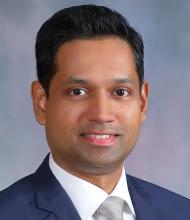
Dr. Hiran Shanake Perera, (senior lecturer of psychology at Sunway University) is an experimental psychologist and a cognitive neuroscientist in Malaysia.

I'm currently an adjunct professor at the Asian Institute of Management in Manila. I crafted a course called Art-Science Thinking based on my dissertation on Culture as Transformative Innovation: Filipino Care in the Practice of Family Medicine. Since 2017, my consultancy & studio has been collaborating with the Dept. of Science & Technology in the Philippines.

Monash University
Dr Yap is currently a Senior Lecturer and Program Director of Medical Bioscience at Monash University Malaysia. She is dedicated to toxin pharmacology and toxicology research. She has strong background in biomolecular modelling, proteomics, immunological and molecular pharmacology of bioactive toxins. She leads the Toxin Pharmacology Research Group. Her research group now focuses on molecular mechanisms of cytotoxin with the ultimate goal of developing next-generation biotherapeutics. Her research works have been featured in prominent media outlets, including the International Snakebite Awareness Day campaign. Besides active in research, she is also an education innovator who adopts various active learning strategies with technology. She teaches undergraduate units with an emphasis on student-cantered learning using the andragogy approach. Dr Michelle enjoys promoting STEM education to the public. She has organized and hosted several workshops and forums to advance the disciplines in medical sciences through research and education.
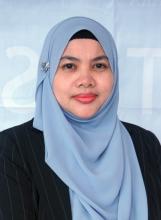
Universiti Teknologi MARA (UiTM)
Norhafezah binti Kasmuri has obtained her Degree in Civil and Environmental Engineering from Universiti Kebangsaan Malaysia in 2001. She has received her Master of Science in Water Resources Engineering and Management (WAREM) from Universitat Stuttgart, Germany in 2004. She has completed her study of Doctor of Philosophy in Chemical Engineering from Swansea University, Wales, the United Kingdom in 2014. She has been serving UiTM since August 2014 as a senior lecturer at the School of Civil Engineering, College of Engineering, Universiti Teknologi MARA, Shah Alam.

Dr Sarkar is a senior research fellow at the Murdoch Children's Research Institute in Melbourne, Australia. She is
actively engaged in collaborating with academic and industry stakeholders and leads multiple projects for the development of novel therapeutics/vaccines to tackle antimicrobial resistance.
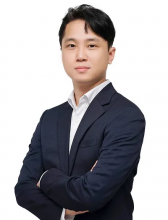
Daegu Gyeongbuk Institute of Science and Technology (DGIST)
Professor Dae-hyun Nam is dedicated to advancing electrocatalysts for sustainable energy conversion and storage. By leveraging expertise in materials science, engineering, and chemistry, he aims to address pressing energy and environmental challenges, paving the way for a sustainable future.

ChM. Ts. Dr. Uganeeswary Suparmaniam, AMIChemE (UK) is a multiple award-winning young scientist, sustainability advocate, and climate activist attached to the HICoE-Centre for Biofuel and Biochemical Research, Institute of Self-Sustainable Building, PETRONAS University of Technology, Malaysia.
Giants in history

Chinese-American physicist Tsung-Dao Lee (24 November 1926 – 4 August 2024) was awarded the Nobel Prize for Physics in 1957 together with Chen-Ning Yang for their work challenging the symmetry law in subatomic particles. They were the first Chinese Nobel prize winners, with Lee becoming the second-youngest laureate. Born in Shanghai, he went to the United States on scholarship and studied under another Nobel winner, Enrico Fermi.

Turkish astrophysicist Dilhan Eryurt (29 November 1926 – 13 September 2012) conducted research on how the sun affects environmental conditions on the moon.

Chinese biochemist Chi Che Wang (1894 - 1979), one of the first Chinese women to study abroad, advanced to prominent research positions at American institutions including the University of Chicago and the Northwestern University Medical School.
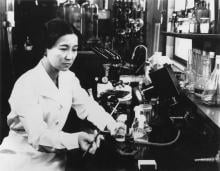
Ruby Sakae Hirose (1904 – 1960) was a Japanese-American scientist whose research contributed significantly to our understanding of blood clotting, allergies and cancer.
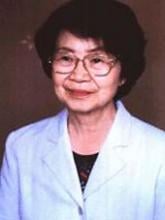
Chinese electron microscopy specialist Li Fanghua (6 January 1932 – 24 January 2020) facilitated the high-resolution imaging of crystal structures by eliminating interference.
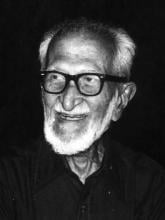
Sálim Moizuddin Abdul Ali (12 November 1896 – 20 June 1987), commonly referred to as the Birdman of India, was the first person to conduct systematic surveys of birds from across India.

Haisako Koyama (1916 – 1997) was a Japanese solar observer whose dedication to recording sunspots – cooler parts of the sun’s surface that appear dark – produced a sunspot record of historic importance.
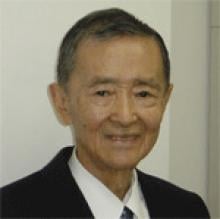
Michiaki Takahashi (17 February 1928 – 16 December 2013) was a Japanese virologist who developed the first chickenpox vaccine.

Toshiko Yuasa (11 December 1909 – 1 February 1980) was the first Japanese female physicist whose research on radioactivity shed light on beta decay – the process in which an atom emits a beta particle (electron) and turns into a different element.

Angelita Castro Kelly (1942-2015) was the first female Mission Operations Manager (MOM) of NASA. She spearheaded and supervised the Earth Observing System missions during its developmental stage.
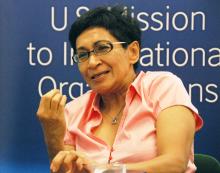
Malaysia’s first astrophysicist, Mazlan binti Othman (born 11 December 1951) was instrumental in launching the country’s first microsatellite, and in sending Malaysia’s first astronaut, Sheikh Muszaphar Shukor, into space.

Bibha Chowdhuri (1913 – 2 June 1991) was an Indian physicist who researched on particle physics and cosmic rays. In 1936, she was the only female to complete a M.Sc. degree at the University of Calcutta.
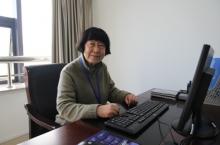
Meemann Chang (born 17 April 1936) is a Chinese palaeontologist who studied the fossils of ancient fish to understand the evolution of life. By examining fossils, she uncovered new insights on how vertebrates, animals with a backbone, migrated from the sea and became adapted to live on land.

Chien-Shiung Wu (31 May 1912 – 16 February 1997) was an experimental physicist who made several important contributions to nuclear physics. Wu worked on the Manhattan Project – a top-secret program for the production of nuclear weapons during World War II and helped to develop a process for separating uranium into U235 and U238.

Hitoshi Kihara (1893 – 1986) was one of the most famous Japanese geneticists of the 20th century. One of his most significant contributions was identifying sex chromosomes (X and Y) in flowering plants.
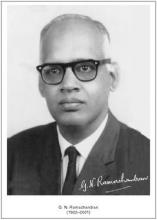
Gopalasamudram Narayanan Ramachandran (8 October 1922 – 7 April 2001) is best known for developing the Ramachandran plot to understand the structure of short chains of amino acids, known as peptides.

Srinivasa Ramanujan (22 December 1887 – 26 April 1920) was a math prodigy and widely considered one of India’s greatest mathematicians. Despite having almost no formal training in mathematics, he made substantial contributions to mathematical analysis, number theory, infinite series and continued fractions.
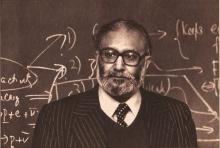
Mohammad Abdus Salam (29 January 1926 – 21 November 1996) was a theoretical physicist and the first Pakistani to receive a Nobel Prize in science.
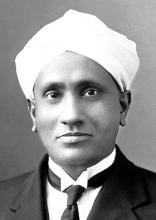
Sir Chandrasekhara Venkata Raman (7 November 1888 – 21 November 1970) was an Indian physicist who performed ground-breaking research in the field of light-scattering.
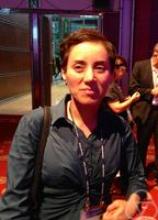
Mathematician Maryam Mirzakhani (12 May 1977 – 14 July 2017) was the first and only woman and Iranian to date to win the Fields Medal in 2014 for her work on curved surfaces.

Joo-myung Seok (November 13, 1908 – October 6, 1950) was a Korean butterfly entomologist who made important contributions to the taxonomy of the native butterfly species in Korea.
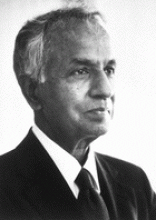
Subrahmanyan Chandrasekhar (19 October 1910 – 21 August 1995) was an Indian astrophysicist who studied the structure and evolution of stars.
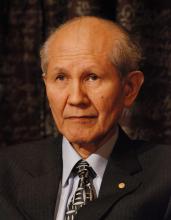
Osamu Shimomura (27 August 1928 – 19 October 2018) was a Japanese organic chemist and marine biologist who dedicated his career to understanding how organisms emitted light.
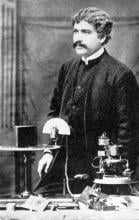
Sir Jagadish Chandra Bose (30 November 1858 – 23 November 1937) was a scientist and inventor who contributed to a wide range of scientific fields such as physics, botany and biology.
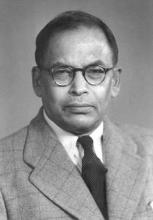
Meghnad Saha (6 October 1893 – 16 February 1956) was an Indian astrophysicist best known for formulating the Saha ionization equation which describes the chemical and physical properties of stars.
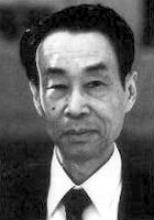
Motoo Kimura (13 November 1924 – 13 November 1994) was a Japanese theoretical population geneticist who is best remembered for developing the neutral theory of molecular evolution.

Chika Kuroda (24 March 1884 – 8 November 1968) was a Japanese chemist whose research focussed on the structures of natural pigments.
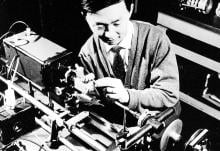
Charles Kuen Kao (Nov. 4, 1933 to Sept. 23, 2018) was an engineer who is regarded as the father of fibre optics. His work in the 1960s on long distance signal transmission using very pure glass fibres revolutionized telecommunications, enabling innovations such as the Internet.

The field of solid-state ionics originated in Europe, but Takehiko Takahashi of Nagoya University in Japan was the first to coin the term ‘solid ionics’ in 1967. ‘Solid-state ionics’ first appeared in 1971 in another of his papers, and was likely a play on ‘solid-state electronics’, another rapidly growing field at the time.

Japanese physicist Ukichiro Nakaya (1900-1962) made the world’s first artificial snowflakes. He started his research on snow crystals in the early 1930s at Hokkaido University, where there is an unlimited supply of natural snow in winter. By taking over 3,000 photographs, he established a classification of natural snow crystals and described their relationship with weather conditions.
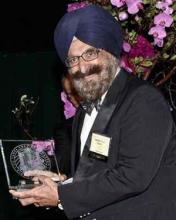
Physicist Narinder Singh Kapany (31 October 1926 – 4 December 2020) pioneered the use of optical fibres to transmit images, and founded several optical technology companies. Born in Punjab, India, he worked at a local optical instruments factory before moving to London for PhD studies at Imperial College. There, he devised a flexible fibrescope to convey images along bundles of glass fibres.
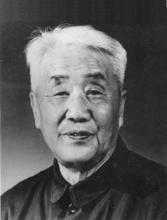
Chinese palaeontologist, archaeologist and anthropologist Pei Wenzhong (January 19, 1904 – September 18, 1982) is regarded as a founder of Chinese anthropology.
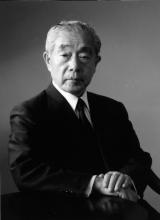
Japanese chemist Kenichi Fukui (4 October 1918 – 9 January 1998) was the first Asian scientist to be awarded the Nobel Prize in Chemistry. Together with Roald Hoffman, he received this honour in 1981 for his independent research into the mechanisms of chemical reactions.
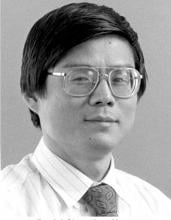
South Korean theoretical physicist Daniel Chonghan Hong (3 March 1956 – 6 July 2002) achieved fame in the public sphere through his research into the physics of popcorn.
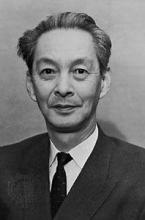
Shinichiro Tomonaga (31 March 1906 – 8 July 1979), together with Richard Feynman and Julian Schwinger, was awarded the Nobel Prize in Physics in 1965, for their contributions to advance the field of quantum electrodynamics. Tomonaga was also a strong proponent of peace, who actively campaigned against the proliferation of nuclear weapons and promoted the peaceful use of nuclear energy.
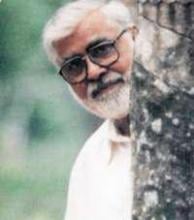
Known as Mr. Natural Rubber, chemist and researcher B. C. Shekhar (17 November 1929 – 6 September 2006) introduced a number of technical innovations that helped put Malaysia’s natural rubber industry on the world map.

Lin Lanying (7 February 1918 – 4 March 2003) was a Chinese material engineer remembered for her contributions to the field of semiconductor and aerospace materials. Lanying was born into a family who did not believe in educating girls and she was not allowed to go to school.
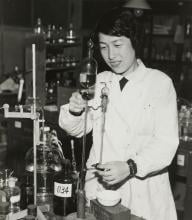
Japanese geochemist Katsuko Saruhashi developed the first method and tools for measuring carbon dioxide in seawater