

Medicine
News

09 Oct 2026
Asia Research News
DNA breakdown in real time, How crystals bend without breaking, Mini-brain for Parkinson’s,
Heavy water helps weather forecasts, Exploring fish diversity and Mindfulness and self-stigma. Read it all in this month's Editor's Choice
08 Oct 2026
Sungkyunkwan University
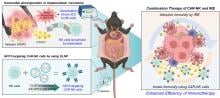
Offering a New Strategy for Refractory Solid Tumors
07 Oct 2026
Sungkyunkwan University
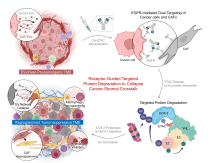
Targeted platform simultaneously seeks out cancer cells and surrounding cells that support tumor growth
07 Oct 2026
Sungkyunkwan University
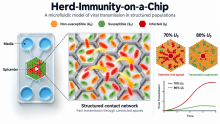
A compact, centimeter-scale microfluidic chip uses 444 interconnected hexagonal microchambers to model population density, spatial contact, and social distancing.

07 Oct 2026
Sungkyunkwan University
Findings suggest a new therapeutic strategy to enhance antibiotic penetration
06 Oct 2026
Sungkyunkwan University
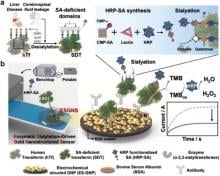
New sensing technology uses enzymes to selectively distinguish subtle differences in sugar structures on protein surfaces
06 Oct 2026
The University of Osaka
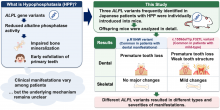
Researchers at the University of Osaka developed new mouse models of hypophosphatasia that reproduce dental symptoms seen in patients. The models showed that teeth, surrounding bone, and tooth-supporting tissues can be affected even when skeletal symptoms elsewhere are mild. Differences between the models suggest that specific genetic changes influence dental symptoms, providing a new platform for studying disease mechanisms and developing dental treatments tailored to severity.
06 Oct 2026
The University of Osaka
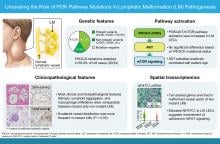
Researchers led by the University of Osaka analyzed lymphatic malformations from 34 patients and found shared molecular features regardless of whether PIK3CA mutations were detected. The PI3K/AKT/mTOR pathway was activated in malformed lymphatic vessels, while spatial transcriptomics highlighted NFATC1, associated with the calcineurin-NFAT pathway, as a possible contributor to the disease pathogenesis. The findings deepen the understanding of lymphatic malformations and may help refine existing treatments and identify new therapeutic targets.
02 Oct 2026
Kanazawa University
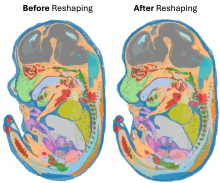
A new computational method aligns spatial transcriptomics data while retaining cell-level measurements.
30 Sep 2026
The University of Osaka
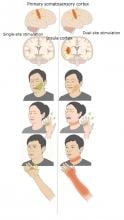
Researchers at the University of Osaka found that simultaneous stimulation of the primary somatosensory cortex and insular cortex may produce richer artificial bodily sensations than stimulating either region alone. In three patients, dual-site stimulation evoked sensations including gentle touch and combined numbness and warmth. These preliminary findings suggest that multisite stimulation may influence how sensory qualities are integrated, with potential applications in sensory neuroprosthetics and functional brain mapping in humans.
30 Sep 2026
Duke-NUS Medical School
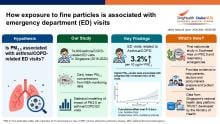
Nationwide Duke-NUS study finds asthma-related emergency visits rise within two days of increases in PM2.5, underscoring the importance of early precautions during periods of poorer air quality.

25 Sep 2026
Osaka Metropolitan University
New laser-powered technology rapidly gathers microscopic targets for faster, more sensitive and selective detection

24 Sep 2026
Osaka Metropolitan University
Participants with mild disabilities had approximately US$1,177 lower annual care cost

22 Sep 2026
Sungkyunkwan University
Combines human brainstem organoid with ultra-precision optical sensor to track Parkinson's treatment response continuously over 12 hours
22 Sep 2026
Sungkyunkwan University
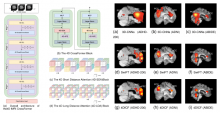
SKKU InfoLab develops a 4D fMRI AI model that analyzes brain activity across space and time while providing interpretable information for trustworthy computer-aided diagnosis
21 Sep 2026
Sungkyunkwan University
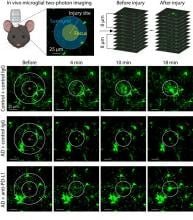
Modulating the immune protein PD-L1 restores microglial function and alleviates abnormal neuronal hyperactivity

17 Sep 2026
Ateneo de Manila University
Ateneo study finds sari-sari stores quietly fill medicine-access gaps in remote communities, while exposing the limits of informal care.
17 Sep 2026
Sungkyunkwan University
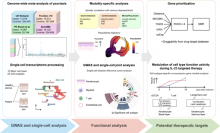
Combining large-scale genetic data with single-cell analysis, the team pinpoints the key cells and genes driving psoriasis
17 Sep 2026
Sungkyunkwan University
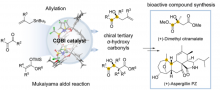
Simple starting materials converted into complex ring structures, with applications to natural product synthesis
15 Sep 2026
Sungkyunkwan University
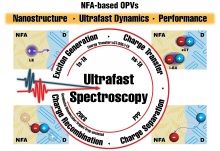
Advancing the Future of Renewable Energy: Decoding the Secret Dynamics of Organic Photovoltaics
14 Sep 2026
Lingnan University
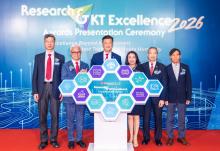
Lingnan University recently hosted the Research and Knowledge Transfer Excellence Awards Presentation Ceremony 2026. At the “Excellence Beyond Achievement Where Technology Meets Humanity” ceremony, 53 Lingnan scholars were presented with the Outstanding Researcher Award, the Early Career Researcher Award, and the Research & Knowledge Transfer Fund Award for their exceptional contributions to academic research and knowledge transfer that advance societal development. The University’s overall innovation and technology performance reached new heights in the 2025/26 academic year, with the number of granted patents for research projects increasing sixfold year-on-year to set a new record.

11 Sep 2026
National Taiwan University
Researchers developed a flexible, porous parylene electrode that delivers anti-inflammatory steroids directly into the inner ear, significantly reducing surgical trauma and preserving residual hearing.
10 Sep 2026
National Taiwan University
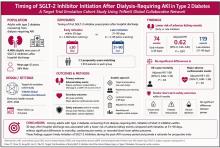
Among adults with type 2 diabetes recovering from dialysis-requiring acute kidney injury, starting an SGLT-2 inhibitor within 30 days of hospital discharge was associated with fewer serious kidney events than starting 31 to 90 days later. The study found no significant differences in death, major cardiovascular events, or recorded short-term safety outcomes.
03 Sep 2026
Hiroshima University
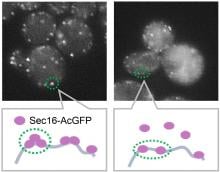
A study in budding yeast suggests that changes in membrane lipids trigger a braking system that slows internal protein transport when the endoplasmic reticulum comes under stress, comparable to modern logistics networks where shipments are slowed when distribution hubs are under stress.
03 Sep 2026
Sungkyunkwan University
Targeting the spleen with engineered mycobacterial nanocomplexes turns tumor-supporting cells into active cancer fighters through trained immunity.
03 Sep 2026
The University of Osaka
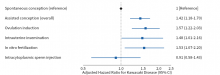
A nationwide Japanese birth cohort study of 101,864 children found that ovulation induction, intrauterine insemination and in vitro fertilization were associated with a higher risk of Kawasaki disease before age five compared with spontaneous conception. Intracytoplasmic sperm injection showed no clear difference in risk. The findings remained broadly consistent after adjustment for maternal comorbidities and highlight the need for further research into underlying mechanisms.

02 Sep 2026
Osaka Metropolitan University
Validating artificial intelligence performance in radiology studies with demographic subgroups
26 Aug 2026
National Taiwan University
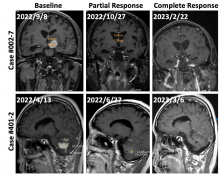
A new three-drug “RAD” regimen produced encouraging responses in patients with relapsed or refractory primary central nervous system lymphoma (PCNSL). The early-stage clinical results support further evaluation of this targeted therapy and immunotherapy combination.
25 Aug 2026
Tohoku University
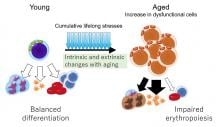
Hematopoietic stem cells can transform into any type of blood cell. However, this ability declines as we age. Recent research at Tohoku University uses AI to guide their deep dive into understanding which genes cause aging in stem cells.
24 Aug 2026
Osaka Metropolitan University
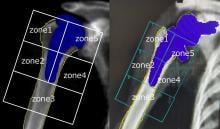
Revised techniques reveal bone loss in shoulder replacements
Events

11 Nov 2026
Frontiers in Cancer Science 2026 welcomes you to our 18th International Conference.

01 Sep 2026
The fourth edition of Asia Bio Partnering Forum will continue to build on its strong start and the unrivalled success of its sister event ChinaBio™ Partnering Forum.

08 Sep 2026
ICMST 2026 provides a dynamic platform for interdisciplinary engagement, bringing together researchers, clinicians, industry leaders, policymakers, and students to share cutting-edge research findings, technological innovations, and best practices in medical science and healthcare.
24 Nov 2025
Learn about groundbreaking scientific discoveries and simple lifestyle habits that can help prevent or even reverse common chronic diseases such as diabetes and hypertension — while turning back your biological clock.


25 Sep 2025
Cell & Gene Therapy East Asia 2025 (#CGTEA2025) will bring together the brightest minds and industry leaders from South Korea, Japan, China, and Taiwan to explore the latest breakthroughs in regenerative medicine.

10 Sep 2025
The 9th Annual Cell & Gene Therapy World Asia (CGTWA) 2025 returns as Asia’s most anticipated knowledge-sharing conference, designed to connect and empower stakeholders from the cell and gene therapy ecosystem.

05 Nov 2025
7th Vaccine World Asia Congress 2025 – South East Asia stands as the go-to event for SEA vaccine companies, providing a platform to explore critical opportunities for growth.

08 Oct 2025
Meet your potential business partners in this Asia's Largest Partnering Event.

27 Nov 2025
The Belgian Pandemic Intelligence Network is organising an international scientific symposium and stakeholder workshop on communication for evidence-informed policy-making in crisis management.

05 Nov 2025
Frontiers in Cancer Science 2025 welcomes you to our 17th International Conference. We invite scientists, doctors, students and other delegates engaging in scientific research related to cancer to join us at Singapore’s preferred cancer conference.

12 Mar 2025
Discover how AI and digitalization are transforming the Global Biopharma Industry. Join industry leaders at the Biologics Digitalization & AI World conference.
29 May 2025
For over 35 years, ITEX has been the premier event in Asia for inventors and investors to connect and collaborate. Held at the KL Convention Centre in Malaysia, ITEX offers a unique opportunity to showcase your inventions to a global audience and propel your ideas forward.
19 Sep 2024
World experts on Tropical Medicine and malaria will meet in ICTMM 2024 in Kuching to work towards SDG target 3.3 which is to end the epidemics of AIDS, tuberculosis, malaria and neglected tropical diseases.
16 Oct 2024
Join this multidisciplinary conference where we will be focusing on policy issues and scientific findings for harmonising humanity with nature in the Tropics.

06 Nov 2024
Vaccine World Asia Congress 2024 - South East Asia Focused stands as a premier destination for all things vaccine-related in the South East Asia region.

13 Aug 2024
Key themes from Vaccine World East Asia (VWEA) 2024 include the swift acceleration of research initiatives, the optimization of manufacturing capabilities, and the seamless integration of novel technologies poised to revolutionize vaccine development.
13 May 2024
The Symposium will showcase the growing field of early cancer intervention in Asia and will serve as a vital platform for scientists and clinicians to converge and explore the latest advancements in early cancer intervention strategies, spanning from cutting-edge research to community-centric strategies.
13 Aug 2024
The Korea Biopharma Excellence Awards celebrate the achievements of biopharma experts/organizations in South Korea and East Asia who have made remarkable advancements in biologics, cell and gene therapy, and vaccine development throughout the years.
20 Mar 2024
The Asia-Pacific Biopharma Excellence Awards 2024 seeks to give recognition to exceptional Asian bioprocessing, logistics and supply chain management, as well as clinical trials experts, organisations and technologies over the past year. Recognising outstanding achievements of top biopharma leaders in the industry, the Asia-Pacific Biopharma Excellence Awards applauds extraordinary leaders & trend-setters of today and inspires innovators of tomorrow.
16 May 2024
Dive into the future of technology at ITEX 2024, where "Generative AI" takes centre stage, revolutionising how we approach Artificial Intelligence (AI). This groundbreaking theme shifts away from the ordinary, showcasing AI's power to create entirely new content and solutions.

06 Nov 2023
Bringing together distinguished cancer researchers with complementary knowledge and expertise from across the globe for the exchange of ideas and information.
26 Oct 2023
The Faculty of Medicine Universiti Kebangsaan Malaysia will be organising the 15th Medical Undergraduates' Annual Scientific Research Meeting (MUASRM) on 26th October 2023.

14 Sep 2023
Asia Pacific Biologics CMO Excellence Awards 2023 seeks to give recognition to exceptional CMO & CDMO that facilitate biologics manufacturing excellence at enhanced speed, reduced cost, and superior quality from the biologics contract manufacturing space.
14 Sep 2023
Asia Pacific CGT Excellence Awards 2023 seeks to give recognition to exceptional Cell & Gene Therapy Pioneers, Researchers, Innovators & Manufacturers that facilitate fast advancement in new therapies, R&D and manufacturing.
11 Oct 2023
Meet your potential business partners in this Partnering Event. Asia's Largest Partnering will be held in both digitally and physically.

21 Feb 2023
The 2nd Edition Asia Healthcare Analytics Summit by 3novex aims to bring together experts and key-players to present and discuss current trends in healthcare technology to catapult your data-driven outcomes.

27 Jul 2022
BIO Asia–Taiwan is Asia's largest biotech networking event, and is jointly organized by the global Biotechnology Innovation Organization (BIO) and the Taiwan Bio Industry Organization (Taiwan BIO).
17 Jan 2022
World’s brightest minds converge at virtual summit to inspire young researchers and discuss key issues
01 Nov 2021
We invite scientists, doctors, students and other delegates engaging in scientific research related to cancer to join us at Singapore’s preferred cancer conference.
Researchers
Dr. Yasser, Professor in Biochemistry, Dean of the Center for Research and Strategic Studies at Hajjah University, Yemen. HOD of Pharmacy Department. College of Medicine and Health Science, Hajjah University, Yemen. [email protected]. focuses on drug development, biochemical mechanisms of disease, and drug interactions, with a specific interest in the biological activity of compounds exhibiting anti-inflammatory, anticancer, antimicrobial, and anti-angiogenic properties. I utilize laboratory techniques, data analysis, and potentially clinical studies to advance understanding and improve drug efficacy and safety. My work involves student mentorship and collaboration
Dr Chia is a longevity scientist engaged in disease-free longevity, and preventing and reversing diabetes, hypertension, dementia, heart disease and cancer remission. Through breakthrough discoveries, it’s not science fiction anymore!

Sadia Salim is an environmental and public health researcher working on climate change, planetary and environmental health, WASH, sustainability, education and empowerment, and grassroots community development and resilience in vulnerable regions.

A public health researcher and educator specializing in epidemiology, biostatistics, and molecular biology, with a passion for advancing global health, infectious disease control, and data-driven public health solutions.

National Taiwan University
Professor Ru-Shi Liu, based at the Department of Chemistry, National Taiwan University (NTU) research interests span several areas, including investigating phosphor materials for light-emitting diodes (LEDs), exploring materials for energy conversion (such as water splitting, fuel cells, and batteries), and delving into the application of nanomaterials in medicine, particularly for photodynamic therapy.

Institute for Integrated Cell-Material Sciences (iCeMS) at Kyoto University
Prof Jun Suzuki is a biochemist and the deputy director at the Institute for Integrated Cell-Material Sciences (iCeMS), Kyoto University, Japan.

Chief Physician at Shanghai Ninth People’s Hospital, Shanghai Jiaotong University School of Medicine, China.

Monash University
Dr Yap is currently a Senior Lecturer and Program Director of Medical Bioscience at Monash University Malaysia. She is dedicated to toxin pharmacology and toxicology research. She has strong background in biomolecular modelling, proteomics, immunological and molecular pharmacology of bioactive toxins. She leads the Toxin Pharmacology Research Group. Her research group now focuses on molecular mechanisms of cytotoxin with the ultimate goal of developing next-generation biotherapeutics. Her research works have been featured in prominent media outlets, including the International Snakebite Awareness Day campaign. Besides active in research, she is also an education innovator who adopts various active learning strategies with technology. She teaches undergraduate units with an emphasis on student-cantered learning using the andragogy approach. Dr Michelle enjoys promoting STEM education to the public. She has organized and hosted several workshops and forums to advance the disciplines in medical sciences through research and education.

Dr Sarkar is a senior research fellow at the Murdoch Children's Research Institute in Melbourne, Australia. She is
actively engaged in collaborating with academic and industry stakeholders and leads multiple projects for the development of novel therapeutics/vaccines to tackle antimicrobial resistance.

ChM. Ts. Dr. Uganeeswary Suparmaniam, AMIChemE (UK) is a multiple award-winning young scientist, sustainability advocate, and climate activist attached to the HICoE-Centre for Biofuel and Biochemical Research, Institute of Self-Sustainable Building, PETRONAS University of Technology, Malaysia.

Dr Linny Kimly Phuong is a paediatric infectious diseases physician and researcher. She holds appointments at the Royal Children’s Hospital, Cabrini Health and the Murdoch Children’s Research Institute. Linny’s areas of research include paediatric infections, Kawasaki disease and vaccine safety.
Sarfraz Ahmed is working as a Scientist at Harvard Medical School's Mass General Hospital. His research interests include Diseases and Therapeutics especially focus on Cancer and Therapeutics, Cancer Immunology, Photomedicine, Photo compounds and Photodevices for Cancer, Cancer and Natural agents, Nanomedicine and Nanotechnology for Cancer, Drugs resistance, Microbiology (Bacteriology & Virology) and Drugs resistance
I am a microbiologist currently working as a lecturer in the Medical Microbiology Department, Faculty of Applied Science, Hajjah University, Yemen. I am interested in research areas related to the prevalence of infectious diseases caused by bacteria, viruses, fungi, and parasites in different areas in Yemen.
I am a japanese physician-scientist in gastroenterology, especially in neurogastroenterology.
The Chinese University of Hong Kong (CUHK)
Epidemiologist working with health of marginalized groups, including migrants, informal houses residents, homeless and women caregivers.
Duke-NUS Medical School
Physician-researcher; Primary area of research: Ageing, at the individual and the population level; Geographical focus: Singapore, with some work in other Asian countries.
Taishi Yokoi is an Associate Professor of the Institute of Biomaterials and Bioengineering at Tokyo Medical and Dental University. His research areas include biomedical engineering, inorganic compounds and inorganic materials chemistry.
Dr. Zong-Hong Lin is a Professor at the Institute of Biomedical Engineering, National Tsing Hua University and at the Department of Biomedical Engineering, National Taiwan University.
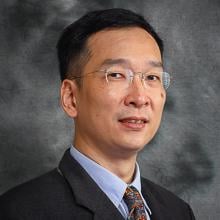
Universiti Malaysia Sarawak
Dr. Cheng-Siang Tan is an Associate Professor at the Faculty of Medicine and Health Sciences, Universiti Malaysia Sarawak (UNIMAS). He is an expert in infectious and emerging diseases and biosafety and biorisk management.
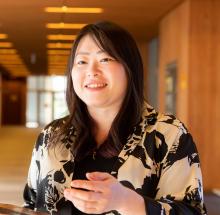
Kavli Institute for the Physics and Mathematics of the Universe (Kavli IPMU)
Miho Katsuragawa is a specially appointed project researcher at Kavli IPMU. Her areas of expertise include experimental physics, detector/instrument development, medical application of gamma-ray imaging, and high energy astrophysics.
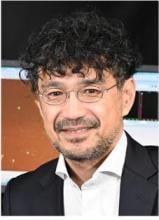
Hokkaido University
Dr. Akira Kakugo is an Associate Professor at Hokkaido University. He has researched biomolecular motors and swarming of active matters.

Centre for Research and Development of Ethno-medicinal Plants (CREDEP)
Dr. Ashfaq Ahmad Shah (اشفاک), born on 6 June 1992 and hailing from Doderkoot (ددیرکوٹ), Kulgam, South Kashmir, Jammu and Kashmir, India, is an Indian microbiologist, biomedical scientist, academic researcher, scientific reviewer, and annotation engineer whose professional interests span infection biology, immunology, medical microbiology, antimicrobial research and One Health, pharmacology, natural-product science, and artificial intelligence. Dr. Shah has developed an interdisciplinary scientific career focused on understanding the complex interactions between microorganisms, bioactive compounds, and host immune responses, with particular interest in infection–immunity relationships and the discovery of novel antimicrobial, anti-inflammatory, and immunomodulatory agents. He has been associated with Graphic Era (Deemed to be University), Dehradun, Uttarakhand, India, where he pursued research activities from 2020 to 2025 and subsequently continued his academic and research journey in the health sciences/medicine domain, including his role as an assistant professor and scientist in the University Center for Research and Development, Chandigarh University, Mohali, India. His scientific interests encompass a broad spectrum of contemporary biomedical research, including host–pathogen interactions, infection immunity, antimicrobial resistance, immunomodulation, natural-product pharmacology, microbial metabolites, plant-derived bioactive compounds, disease-model studies, protein–antigen interactions, and novel therapeutic discovery. A distinctive component of his research involves investigating the biological significance of phytoalexins, phytoanticipins, phenolic compounds, and other secondary metabolites, particularly their antimicrobial, anti-inflammatory, and potential immunomodulatory properties. His work seeks to establish meaningful links between the chemical characterization of naturally occurring compounds and their biological effects, thereby contributing to the broader field of infection biology and therapeutic research. Dr. Shah has experience with advanced analytical and biochemical approaches, including GC–MS, HPLC, FTIR, and related hyphenated analytical techniques, for the identification and characterization of microbial and plant-derived metabolites and other biologically active compounds. His wider scientific interests also include **tyrosinase inhibition, polyphenol oxidase inhibition, bioactive compounds relevant to pharmaceutical and dermatological applications, and experimental approaches for evaluating antimicrobial and pharmacological activity. Over the course of his academic career, Dr. Shah has contributed to scientific literature through research publications, academic books, book chapters, scientific reviews, and editorial activities. He has published more than 40 scientific papers in national and international journals, including publications in Scopus- SCIE, and Web of Science-indexed journals (Q1, Q2), and has contributed to international academic books and scholarly chapters. His work reflects an interdisciplinary approach in which microbiology is integrated with immunology, pharmacology, analytical chemistry, biotechnology, and biomedical science. In recognition of his academic contributions and scientific work in the area of infection and immunity, Dr. Shah received the Young Scientist Award in August 2023. Alongside his research and academic responsibilities, he has served as a scientific reviewer and editorial contributor associated with scholarly journals, books, and academic initiatives, enabling him to participate in the broader international process of scientific communication and peer review. Dr. Shah has also developed an international academic network through professional interactions and research-related collaborations with scientists and scholarly communities from different parts of the world, including the United States of America, Japan, Malaysia, and other international research environments. These interactions have supported scientific exchange, collaborative discussions, and exposure to diverse approaches in microbiology, immunology, biomedical research, and emerging scientific technologies. His international engagement complements his core research activities and reflects his commitment to developing a globally connected scientific career. Beyond conventional research and academic publishing, Dr Shah has made sustained contributions to the dissemination of medical and scientific knowledge through **Wikipedia**, where he has been an active contributor to medical-science content since 2015. With more than 1,000 edits related to medical and scientific topics, he has contributed to the organisation and accessibility of scientific information for a worldwide readership.Dr Shah has also submitted his NGS work, like nucleotide sequences of mutated genes, to the gene banks like the National Library of Medicine (NCBI) USA.gov.
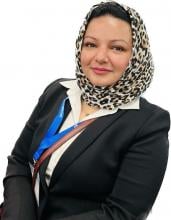
Dr. Hira Khalid is serving as Associate Professor at Forman Christian College University, Lahore, Pakistan. She is also a US Fulbright Fellow and a member of several prestigious scientific organizations, including the American Chemical Society (ACS), the Royal Society of Chemistry (RSC), the International Union of Pure and Applied Chemistry (IUPAC), the Organization for Women in Science for the Developing World (OWSD), and the Chemical Society of Pakistan (CSP).
The Agency for Science, Technology and Research (A*STAR)
Dr. Tay has researched antibodies and diseases like malaria and SARS-CoV-2 at A*STAR. His focus is on discovering methods for developing antibodies that can be used in therapies against multidrug-resistant pathogens.
Professor Crumlish has researched aquatic microbial diseases, specifically ones that have economic impact in global aquaculture, and potential solutions to such infectious diseases. Her current project seeks to develop vaccines against antimicrobial resistance in aquaculture.
The Agency for Science, Technology and Research (A*STAR)
Dr. Singhal serves as senior principal investigator at the Bacterial Immunopathology Lab at A*STAR ID Labs in Singapore. His work at A*STAR ID Labs revolves around three main pathogens: Mycobacterium tuberculosis, Gram-negative bacteria and Dengue virus.
City University of Hong Kong (CityUHK)
Professor St-Hilaire is a professor at the Department of Infectious Diseases and Public Health, City University of Hong Kong (CityU). She has extensively researched fish nutrition and diseases, including treatment efficacy, and has helped investigate fish disease outbreaks.
The Agency for Science, Technology and Research (A*STAR)
Dr. Oehlers leads the Bacterial Pathogenesis Laboratory at A*STAR ID Labs, where he and his colleagues focus on identifying molecular bases of mycobacterial disease and, thus, deploy therapies that address antibiotic resistance in mycobacterial infections.
The Agency for Science, Technology and Research (A*STAR)
Dr. Yue Wang is senior principal investigator at the Antifungal Resistance Laboratory of A*STAR ID Labs, where his body of work focuses on virulence mechanisms of the fungal human pathogen Candida albicans.
Giants in history

Henriette Bui Quang Chieu (1906 – 2012) was inspired to follow in her brother’s footsteps and become a doctor after losing her mother to tuberculosis. She studied in France and became the first Vietnamese woman to receive a medical degree. Upon her return to Vietnam, Bui was appointed head of the Department of Midwifery at Cho Lon Hospital in Ho Chi Minh City. A pioneer in gynaecology, she applied acupuncture techniques that she had learned in Japan to obstetrics. As Vietnam was still a French colony, Bui also lobbied for the rights of Vietnamese doctors, nurses, and patients.

Japanese biochemist Akira Endo (1933 – 2024) discovered the first statin, called mevastatin, which lowered cholesterol levels in the blood by inhibiting a key enzyme in the cholesterol biosynthesis pathway. His work laid the foundation for the development of statins to help patients lower their blood cholesterol levels and reduce their risk of heart disease or stroke.

Tu Youyou (born 30 December 1930) is a Chinese pharmaceutical scientist who was awarded the 2015 Nobel Prize in Physiology or Medicine for her work on extracting artemisin from sweet wormwood to treat malaria.

Filipina paediatrician and scientist Perla Santos-Ocampo (25 July 1931 – 29 June 2012) made important contributions to treatments and policies that curbed debilitating and sometimes deadly diarrhoea-related diseases and malnutrition in children.

Singaporean physician Oon Chiew Seng (1916 – 31 March 2022) advanced dementia care and research in Singapore, and co-founded the Apex Harmony Lodge, the nation’s first nursing home for residents with dementia.

Vietnamese surgeon Tôn Thất Tùng (10 May 1912 – 7 May 1982) developed a pioneering technique that reduced the risks and mortality rate of liver operations.
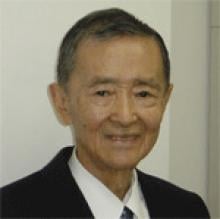
Michiaki Takahashi (17 February 1928 – 16 December 2013) was a Japanese virologist who developed the first chickenpox vaccine.

Irene Ayako Uchida’s (8 April 1917 – 30 July 2013) strides to understand genetic diseases such as Down syndrome paved the way for early screening of chromosomal abnormalities in foetuses.
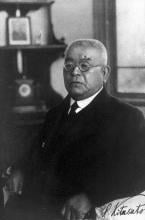
Baron Kitasato Shibasaburo (29 January 1856 – 13 June 1931) was a Japanese physician and bacteriologist whose work led to a new understanding of preventing and treating tetanus, diphtheria and anthrax.

Maggie Lim (5 January 1913 – November 1995) was a Singaporean physician who promoted family planning and expanded the access to clinics to improve the quality of life for mothers and children in Singapore’s early days.
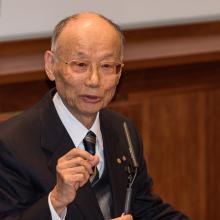
By isolating soil microorganisms and studying the compounds they produce, Satoshi Omura (born 1935) discovered almost 500 organic compounds with unique properties that were produced by these microorganisms, including many new antibiotics.
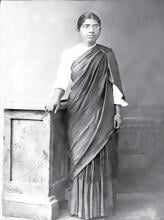
The founder of the Adyar Cancer Institute in India, Muthulakshmi Reddy (30 July 1886 – 22 July 1968), fought to uplift women and girls from impoverished situations.
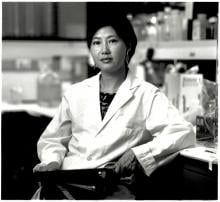
Chinese-American virologist and molecular biologist Flossie Wong-Staal (27 August 1946 – 8 July 2020) was the first scientist to clone HIV and determine the function of its genes.
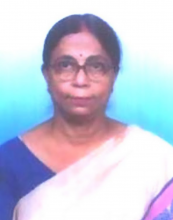
Maharani Chakravorty (1937 – 2015) was one of India’s earliest molecular biologists whose research paved the way for advances in the treatment of bacterial and viral infections.

Archana Sharma (16 February 1932 - 14 January 2008) conducted research into plant and human genetics that expanded the understanding of both botany and human health. In relation to botany, she uncovered the means by which asexually-reproducing plants evolve into new species.
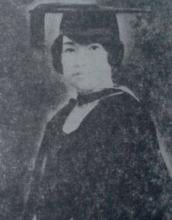
The first Thai woman to receive a degree in medicine, Margaret Lin Xavier (29 May 1898 – 6 December 1932), is best remembered for her compassion towards her less privileged patients.
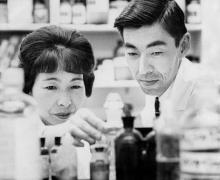
Husband and wife team, Kimishige (3 December 1925 – 6 July 2018) and Teruko Ishizaka (28 September 1926 – 4 June 2019) discovered the antibody class Immunoglobulin E (IgE) that triggers allergic reactions. They also discovered that IgE antibodies attach to white blood cells, known as mast cells, releasing histamine, which causes allergic reactions.
Husband and wife team, Kimishige (3 December 1925 – 6 July 2018) and Teruko Ishizaka (28 September 1926 – 4 June 2019) discovered the antibody class Immunoglobulin E (IgE) that triggers allergic reactions. They also discovered that IgE antibodies attach to white blood cells, known as mast cells, releasing histamine, which causes allergic reactions.
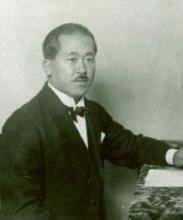
In 1915, Koichi Ichikawa along with pathologist Katsusaburo Yamagiwa became the first to prove that chronic exposure to chemicals can cause cancer.
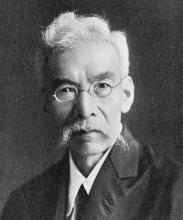
In 1915, pathologist Katsusaburo Yamagiwa and his research assistant Koichi Ichikawa became the first to prove that chronic exposure to chemicals can cause cancer.
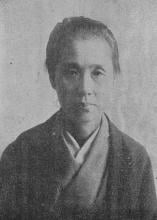
Ogino Ginko (3 March 1851 – 23 June 1913) was the first registered female doctor to practise modern medicine in Japan.
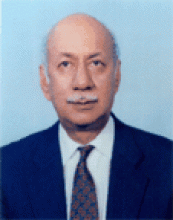
Syed Qasim Mehdi (13 February 1941 – 28 September 2016) was a Pakistani molecular biologist who was a founding member of the Human Genome Diversity Project (HGDP), which assessed human diversity by studying human migration, mutation rates, relationships between different populations, genes involved in height and selective pressure.
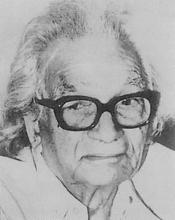
Salimuzzaman Siddiqui (19 October 1897 – 14 April 1994) was an artist and chemist from Pakistan whose research focused on natural products from plants.
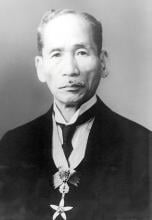
Umetaro Suzuki (7 April 1874 – 20 September 1943) was a Japanese scientist best remembered for his research on beriberi, a disease caused by vitamin B1 deficiency, characterized by limb stiffness, paralysis and pain.
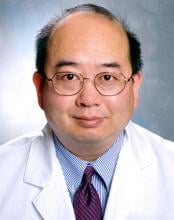
Barry Paw (29 August 1962 – 28 December 2017) was a biologist and oncologist who discovered several novel genes and their functions in red blood cells.

Chika Kuroda (24 March 1884 – 8 November 1968) was a Japanese chemist whose research focussed on the structures of natural pigments.

Indian organic chemist Asima Chatterjee (1917 to 2006) studied the medicinal properties of plant products, especially compounds known as vinca alkaloids.
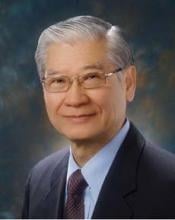
David T. Wong (born 1936) is a Hong Kong-born American neuroscientist who is best known for discovering the antidepressant drug fluoxetine, better known as Prozac.

Wu Lien-teh (10 March 1879 – 21 January 1960) was a Malaysian-born doctor who invented a mask that effectively suppressed disease transmission. Winning the prestigious Queen’s Scholarship enabled Wu to become the first Chinese student to study medicine at the University of Cambridge.
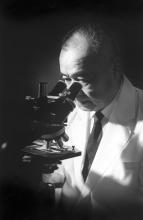
Minoru Shirota (April 23, 1899 – March 10, 1982) was a Japanese microbiologist who invented the popular fermented drink Yakult.
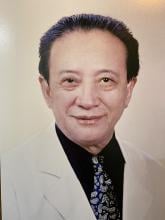
After witnessing death and suffering as a youth in his home village during World War II, Nguyễn Tài Thu (6 April 1931 – 14 February 2021) set his sights on alleviating pain by becoming a doctor. After studying Traditional Chinese Medicine in China in the 1950s, Thu returned to Vietnam to serve in military hospitals. Eventually, he became the country’s foremost practitioner of acupuncture, a technique he first learned by inserting needles into himself.
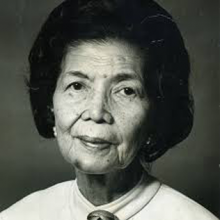
Fe Villanueva del Mundo (27 November 1911 – 6 August 2011) was a Filipina paediatrician who founded the Philippines’ first paediatric hospital.
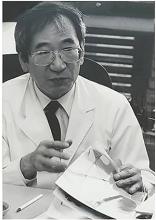
Korean parasitologist Seung-Yull Cho (16 November 1943 – 27 January 2019) is remembered largely for his pioneering works to control infections caused by helminthic parasites and his contribution to journal publishing.

Filipino chemist and pharmacist Manuel A. Zamora (29 March 1870 – 9 July 1929) is best remembered for his discovery of the tiki-tiki formula to combat beriberi, a disease caused by Vitamin B1 deficiency.
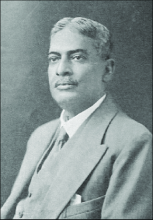
Indian scientist and physician Upendranath Brahmachari (19 December 1873–6 February 1946) is best known for creating a drug called Urea Stibamine, used to safely and reliably treat visceral leishmaniasis (or Kala-azar), a severe infection caused by the Leishmania parasite.

Thai physician and conservationist Boonsong Lekagul (1907 – 1992) made major contributions to the preservation of his country’s wildlife.
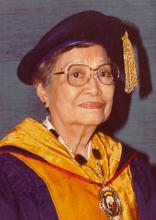
The research of Filipino pharmaceutical chemist Luz Oliveros-Belardo (3 November 1906 – 12 December 1999) focussed on essential oils and other chemicals derived from native Philippine plants.

Ground-breaking cancer researcher Kamal Jayasing Ranadive (8 November 1917 – 11 April 2001) advanced the understanding of the causes of leukaemia, breast cancer and oesophageal cancer through the use of animal models. She was also among the first to recognise how susceptibility to cancer is linked to tumour-causing interactions between hormones and viruses.
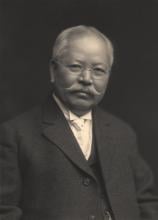
Japanese chemist Takamine Jokichi (3 November 1854 – 22 July 1922) founded the Tokyo Artificial Fertilizer Company, where he isolated a starch-digesting enzyme (named takadiastase) from the fungus Aspergillus oryzae.
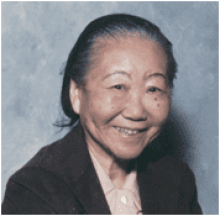
Tsai-Fan Yu (1911 – 2 March 2007) was a Chinese-American physician and researcher who was the first female full professor at Mount Sinai School of Medicine. She discovered that gout, a condition characterized by the painful inflammation of joints, was caused by elevated levels of uric acid in the bloodstream.
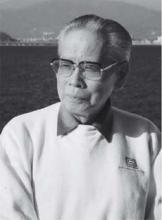
A Japanese surgeon, Tetsuzo Akutsu (20 August 1922 – 9 August 2007) built the first artificial heart capable of keeping an animal alive.
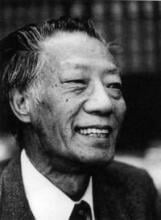
Min Chueh Chang (10 October 1908 – 5 June 1991) was a Chinese-American biologist who studied fertilization in mammalian reproduction.
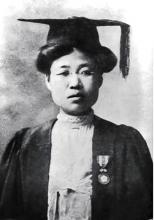
Esther Park (1877-1910), born Kim Jeom-dong, was the first female Korean physician to practise modern medicine in Korea and trained the first generation of Korean female doctors.