

Medicine & Healthcare
News
13 Oct 2026
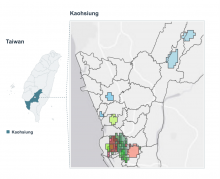
A study of more than 4,000 patients in southern Taiwan suggests that older adults may play an under-recognised role in tuberculosis transmission. It also reveals how patterns of spread differ across bacterial groups and locations, offering clues for more targeted prevention.
12 Oct 2026
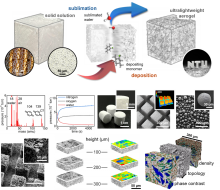
Researchers at National Taiwan University (NTU), a collaboration from the College of Engineering, College of Medicine, and the National Taiwan University Hospital (NTUH), have developed a revolutionary method for producing aerogels, introducing what they describe as the world's first purely gaseous-born aerogel fabrication platform.
06 Oct 2026
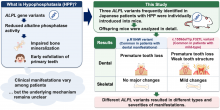
Researchers at the University of Osaka developed new mouse models of hypophosphatasia that reproduce dental symptoms seen in patients. The models showed that teeth, surrounding bone, and tooth-supporting tissues can be affected even when skeletal symptoms elsewhere are mild. Differences between the models suggest that specific genetic changes influence dental symptoms, providing a new platform for studying disease mechanisms and developing dental treatments tailored to severity.
06 Oct 2026
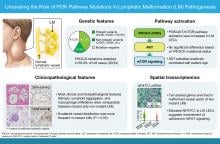
Researchers led by the University of Osaka analyzed lymphatic malformations from 34 patients and found shared molecular features regardless of whether PIK3CA mutations were detected. The PI3K/AKT/mTOR pathway was activated in malformed lymphatic vessels, while spatial transcriptomics highlighted NFATC1, associated with the calcineurin-NFAT pathway, as a possible contributor to the disease pathogenesis. The findings deepen the understanding of lymphatic malformations and may help refine existing treatments and identify new therapeutic targets.
05 Oct 2026
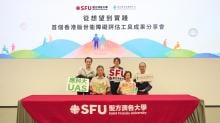
Saint Francis University (SFU), in collaboration with the Christian Family Service Centre (CFSC), has successfully developed and validated Hong Kong’s first “WHO Disability Assessment Schedule 2.0 Traditional Chinese (Hong Kong) Version” (WHODAS 2.0 TC-HK). Led by Dr Tiffany Choi Ching-man, Associate Professor of Practice at SFU’s S.K. Yee School of Health Sciences, the research team designed the instrument specifically for Hong Kong’s community rehabilitation services.

01 Oct 2026
Analysis of 3.8 million immune cells from nearly 2,000 people reveals distinct waves of immune ageing and sex-specific changes that may help explain differences in age-related and autoimmune diseases.
30 Sep 2026
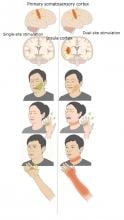
Researchers at the University of Osaka found that simultaneous stimulation of the primary somatosensory cortex and insular cortex may produce richer artificial bodily sensations than stimulating either region alone. In three patients, dual-site stimulation evoked sensations including gentle touch and combined numbness and warmth. These preliminary findings suggest that multisite stimulation may influence how sensory qualities are integrated, with potential applications in sensory neuroprosthetics and functional brain mapping in humans.
30 Sep 2026
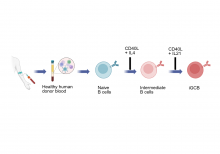
Researchers at the University of Osaka developed a simple two-step culture system that turns human blood-derived B cells into germinal center-like B cells using CD40L, IL-4, and IL-21 in a specific sequence. The resulting cells closely resemble genuine human germinal center B cells and undergo somatic hypermutation. The platform provides a practical tool for studying antibody formation directly in human cells and may support future vaccine and autoimmune disease research.

28 Sep 2026
A study of older adults in Japan found that routine health checkup measures were associated with healthcare costs 3–4 years later, revealing nonlinear and sex-specific patterns.
25 Sep 2026
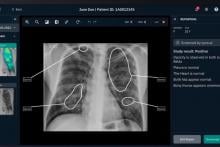
AI-assisted TB screening could reduce costs and bring diagnostic support to underserved communities, helping narrow gaps in public healthcare.

25 Sep 2026
New laser-powered technology rapidly gathers microscopic targets for faster, more sensitive and selective detection

24 Sep 2026
As AI companions become more commonplace, new research from Singapore Management University and Duke-NUS Medical School argued that the real question is no longer whether these technologies are beneficial or harmful, but who benefits, who is most at risk, and how society can ensure AI serves everyone equitably.

24 Sep 2026
Participants with mild disabilities had approximately US$1,177 lower annual care cost

17 Sep 2026
Ateneo study finds sari-sari stores quietly fill medicine-access gaps in remote communities, while exposing the limits of informal care.
15 Sep 2026
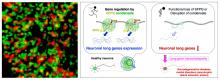
How are extra-long genes read? A novel mechanism in which RNA-scaffolded nuclear condensates gather diverse factors to coordinate gene expression

15 Sep 2026
AI-powered cyborg cockroaches, Undiagnosed kidney disease, Plants as genetic engineers, AI and mental workload, Carnivorous plants confirm Darwin prediction, Moisture conveyor belt and Forever chemicals in furry friends. Read all in the latest Editor's Choice.

11 Sep 2026
Researchers developed a flexible, porous parylene electrode that delivers anti-inflammatory steroids directly into the inner ear, significantly reducing surgical trauma and preserving residual hearing.
10 Sep 2026
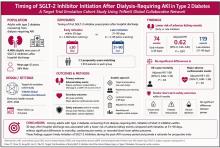
Among adults with type 2 diabetes recovering from dialysis-requiring acute kidney injury, starting an SGLT-2 inhibitor within 30 days of hospital discharge was associated with fewer serious kidney events than starting 31 to 90 days later. The study found no significant differences in death, major cardiovascular events, or recorded short-term safety outcomes.
09 Sep 2026
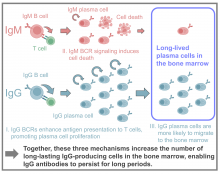
A team led by the University of Osaka researchers discovered that cells producing IgG1 antibodies multiply more, are less prone to cell death in the spleen, and migrate more efficiently to the bone marrow, where long-lived antibody-producing cells can become established. Understanding how these cells gain these advantages could help researchers design vaccines that provide longer-lasting protection against infection.

08 Sep 2026
Researchers at the University of Osaka discovered FoeAB, a previously unknown bacterial pump that exports the antibiotic fosfomycin. By combining transport experiments with cryo-electron microscopy, the team revealed how the protein recognizes and moves the drug across the cell membrane. The findings expand understanding of antibiotic efflux in Gram-positive bacteria and could support new strategies to counter drug resistance and improve treatment of bacterial infections.

04 Sep 2026
Ateneo researchers co-design comics with Filipino parents to help families recognize, address, and prevent school bullying.
03 Sep 2026
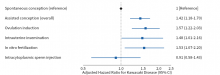
A nationwide Japanese birth cohort study of 101,864 children found that ovulation induction, intrauterine insemination and in vitro fertilization were associated with a higher risk of Kawasaki disease before age five compared with spontaneous conception. Intracytoplasmic sperm injection showed no clear difference in risk. The findings remained broadly consistent after adjustment for maternal comorbidities and highlight the need for further research into underlying mechanisms.

02 Sep 2026
Validating artificial intelligence performance in radiology studies with demographic subgroups
26 Aug 2026
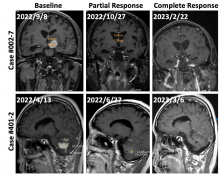
A new three-drug “RAD” regimen produced encouraging responses in patients with relapsed or refractory primary central nervous system lymphoma (PCNSL). The early-stage clinical results support further evaluation of this targeted therapy and immunotherapy combination.
26 Aug 2026
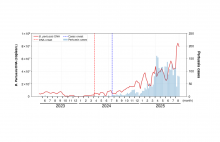
Researchers at the University of Osaka and the Osaka Institute of Public Health found that pertussis-associated DNA in wastewater increased weeks before reported cases, with the main analysis showing a 10-week lead. The findings suggest that wastewater monitoring could complement clinical surveillance by detecting changes in community transmission earlier, although further research is needed before it can be used as a validated forecasting tool.
25 Aug 2026
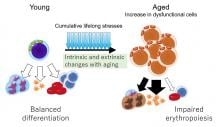
Hematopoietic stem cells can transform into any type of blood cell. However, this ability declines as we age. Recent research at Tohoku University uses AI to guide their deep dive into understanding which genes cause aging in stem cells.
24 Aug 2026
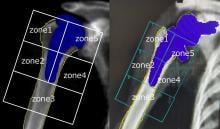
Revised techniques reveal bone loss in shoulder replacements
24 Aug 2026
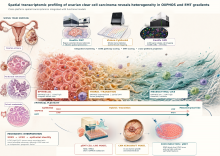
Ovarian clear cell carcinoma (OCCC) has a higher prevalence among East Asian women and is characterized by poor clinical outcomes. An interdisciplinary team led by Professor Ruby Yun-Ju Huang at National Taiwan University College of Medicine has established a comprehensive spatial atlas of OCCC, revealing how distinct tumor cell populations are organized within the same tumor and identifying a key molecular regulator of tumor plasticity.
21 Aug 2026
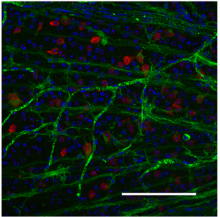
Researchers from National Taiwan University (NTU) and National Taiwan University Hospital (NTUH) have developed an injectable antioxidant hydrogel that protects retinal neurons and promotes visual recovery following acute optic nerve injury.
21 Aug 2026
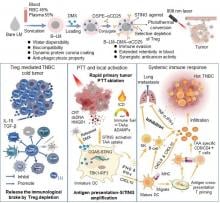
Triple-negative breast cancer (TNBC) accounts for roughly 15–20% of all breast cancer cases and is difficult to treat. Patients are often left with chemotherapy as their only treatment option. This is because TNBC tumors contain a large number of T cells that suppress the immune system. Yet researchers from Tohoku University have come up with a three-pronged approach to overcome this problem.
Events

11 Nov 2026 to 13 Nov 2026
Frontiers in Cancer Science 2026 welcomes you to our 18th International Conference.

08 Sep 2026 to 09 Sep 2026
ICMST 2026 provides a dynamic platform for interdisciplinary engagement, bringing together researchers, clinicians, industry leaders, policymakers, and students to share cutting-edge research findings, technological innovations, and best practices in medical science and healthcare.
24 Nov 2025
Learn about groundbreaking scientific discoveries and simple lifestyle habits that can help prevent or even reverse common chronic diseases such as diabetes and hypertension — while turning back your biological clock.


25 Sep 2025 to 26 Sep 2025
Cell & Gene Therapy East Asia 2025 (#CGTEA2025) will bring together the brightest minds and industry leaders from South Korea, Japan, China, and Taiwan to explore the latest breakthroughs in regenerative medicine.

10 Sep 2025 to 11 Sep 2025
The 9th Annual Cell & Gene Therapy World Asia (CGTWA) 2025 returns as Asia’s most anticipated knowledge-sharing conference, designed to connect and empower stakeholders from the cell and gene therapy ecosystem.

05 Nov 2025 to 06 Nov 2025
7th Vaccine World Asia Congress 2025 – South East Asia stands as the go-to event for SEA vaccine companies, providing a platform to explore critical opportunities for growth.

08 Oct 2025 to 10 Oct 2025
Meet your potential business partners in this Asia's Largest Partnering Event.
26 Aug 2025 to 28 Aug 2025
Step into the future of global healthcare at MTE 2025: Advanced Healthcare and Life Sciences International Innovation Awards & Expo (AHLS IIAE) — a world-class virtual platform where groundbreaking innovation meets human-centered care.

05 Nov 2025 to 07 Nov 2025
Frontiers in Cancer Science 2025 welcomes you to our 17th International Conference. We invite scientists, doctors, students and other delegates engaging in scientific research related to cancer to join us at Singapore’s preferred cancer conference.

23 Jul 2025 to 27 Jul 2025
2025 BIO Asia–Taiwan International Conference and Exhibition will be held on July 23-27, 2025 at the Nangang Exhibition Center, Taipei, Taiwan with the theme “Next Wave of Biotech Opportunities”.

12 Mar 2025 to 13 Mar 2025
Discover how AI and digitalization are transforming the Global Biopharma Industry. Join industry leaders at the Biologics Digitalization & AI World conference.
19 Sep 2024 to 23 Sep 2024
World experts on Tropical Medicine and malaria will meet in ICTMM 2024 in Kuching to work towards SDG target 3.3 which is to end the epidemics of AIDS, tuberculosis, malaria and neglected tropical diseases.

28 Oct 2024 to 30 Oct 2024
Asia's premier technology-matching platform which connects the innovation and technology ecosystems from Singapore and beyond, TechInnovation, IPI’s flagship brokerage event, will return to Singapore for its 12th edition.

10 Sep 2024 to 11 Sep 2024
The event this year hence features a focused track on Biologics Digitalisation & AI on the first day, 10th of September. This congregation would be a platform to meet the leaders from the Biologics World of APAC, who have pioneered in adopting AI & Digitalisation in the R&D, Manufacturing/Bioprocessing,

06 Nov 2024 to 07 Nov 2024
Vaccine World Asia Congress 2024 - South East Asia Focused stands as a premier destination for all things vaccine-related in the South East Asia region.

13 Nov 2024 to 15 Nov 2024
FCS2024 is jointly organized by eight major research institutes in Singapore and includes a line-up of internationally renowned cancer experts. The conference converges the latest cancer discoveries around the world and promises ground-breaking and innovative insights into cancer research.

26 Mar 2025 to 27 Mar 2025
Since its inception in 2012, Biologics World Taiwan has experienced remarkable success by gathering over 300 pioneers in the biologics industry from Taiwan and around the world.

13 Aug 2024 to 14 Aug 2024
The 13th Annual Biologics Manufacturing Korea (BMK) 2024 conference encompasses crucial themes such as upstream processing with a focus on high-throughput cell line development and cell culture, downstream processing involving product concentration and purification by chromatography, analytics and quality assurance, automation, Bioprocessing 4.0, and the digitalization landscape.

13 Aug 2024 to 14 Aug 2024
Key themes from Vaccine World East Asia (VWEA) 2024 include the swift acceleration of research initiatives, the optimization of manufacturing capabilities, and the seamless integration of novel technologies poised to revolutionize vaccine development.
13 May 2024 to 14 May 2024
The Symposium will showcase the growing field of early cancer intervention in Asia and will serve as a vital platform for scientists and clinicians to converge and explore the latest advancements in early cancer intervention strategies, spanning from cutting-edge research to community-centric strategies.
13 Aug 2024
The Korea Biopharma Excellence Awards celebrate the achievements of biopharma experts/organizations in South Korea and East Asia who have made remarkable advancements in biologics, cell and gene therapy, and vaccine development throughout the years.
20 Mar 2024
The Asia-Pacific Biopharma Excellence Awards 2024 seeks to give recognition to exceptional Asian bioprocessing, logistics and supply chain management, as well as clinical trials experts, organisations and technologies over the past year. Recognising outstanding achievements of top biopharma leaders in the industry, the Asia-Pacific Biopharma Excellence Awards applauds extraordinary leaders & trend-setters of today and inspires innovators of tomorrow.

06 Nov 2023 to 08 Nov 2023
Bringing together distinguished cancer researchers with complementary knowledge and expertise from across the globe for the exchange of ideas and information.
26 Oct 2023
The Faculty of Medicine Universiti Kebangsaan Malaysia will be organising the 15th Medical Undergraduates' Annual Scientific Research Meeting (MUASRM) on 26th October 2023.

31 Oct 2023 to 02 Nov 2023
Experience TechInnovation 2023, held at Marina Bay Sands from October 31 to November 2. Explore themes of Sustainability, Health and Well-being, and AI in Healthcare.
14 Sep 2023
Asia Pacific Biologics CMO Excellence Awards 2023 seeks to give recognition to exceptional CMO & CDMO that facilitate biologics manufacturing excellence at enhanced speed, reduced cost, and superior quality from the biologics contract manufacturing space.
14 Sep 2023
Asia Pacific CGT Excellence Awards 2023 seeks to give recognition to exceptional Cell & Gene Therapy Pioneers, Researchers, Innovators & Manufacturers that facilitate fast advancement in new therapies, R&D and manufacturing.
11 Oct 2023 to 13 Oct 2023
Meet your potential business partners in this Partnering Event. Asia's Largest Partnering will be held in both digitally and physically.
12 Jul 2023 to 14 Jul 2023
Advancing Precision Public Health in Asia and Beyond – The Future is Now
Researchers
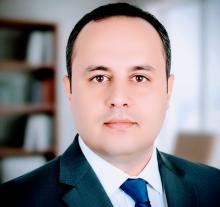
Dr. Yasser, Professor in Biochemistry, Dean of the Center for Research and Strategic Studies at Hajjah University, Yemen. HOD of Pharmacy Department. College of Medicine and Health Science, Hajjah University, Yemen. [email protected]. focuses on drug development, biochemical mechanisms of disease, and drug interactions, with a specific interest in the biological activity of compounds exhibiting anti-inflammatory, anticancer, antimicrobial, and anti-angiogenic properties. I utilize laboratory techniques, data analysis, and potentially clinical studies to advance understanding and improve drug efficacy and safety. My work involves student mentorship and collaboration
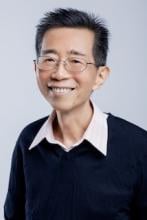
Dr Chia is a longevity scientist engaged in disease-free longevity, and preventing and reversing diabetes, hypertension, dementia, heart disease and cancer remission. Through breakthrough discoveries, it’s not science fiction anymore!

Sadia Salim is an environmental and public health researcher working on climate change, planetary and environmental health, WASH, sustainability, education and empowerment, and grassroots community development and resilience in vulnerable regions.

A public health researcher and educator specializing in epidemiology, biostatistics, and molecular biology, with a passion for advancing global health, infectious disease control, and data-driven public health solutions.

I am an efficient Professor able to Develop courses with IT skills & sound teaching skills in a manner attractive to students. I have vast experience in supervising postgraduate research & Contribute in a well manner to the ongoing academic development of the School’s postgraduate courses and research.

Chief Physician at Shanghai Ninth People’s Hospital, Shanghai Jiaotong University School of Medicine, China.
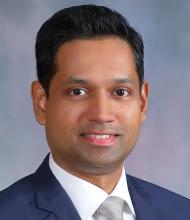
Dr. Hiran Shanake Perera, (senior lecturer of psychology at Sunway University) is an experimental psychologist and a cognitive neuroscientist in Malaysia.

I'm currently an adjunct professor at the Asian Institute of Management in Manila. I crafted a course called Art-Science Thinking based on my dissertation on Culture as Transformative Innovation: Filipino Care in the Practice of Family Medicine. Since 2017, my consultancy & studio has been collaborating with the Dept. of Science & Technology in the Philippines.

Dr Yap is currently a Senior Lecturer and Program Director of Medical Bioscience at Monash University Malaysia. She is dedicated to toxin pharmacology and toxicology research. She has strong background in biomolecular modelling, proteomics, immunological and molecular pharmacology of bioactive toxins. She leads the Toxin Pharmacology Research Group. Her research group now focuses on molecular mechanisms of cytotoxin with the ultimate goal of developing next-generation biotherapeutics. Her research works have been featured in prominent media outlets, including the International Snakebite Awareness Day campaign. Besides active in research, she is also an education innovator who adopts various active learning strategies with technology. She teaches undergraduate units with an emphasis on student-cantered learning using the andragogy approach. Dr Michelle enjoys promoting STEM education to the public. She has organized and hosted several workshops and forums to advance the disciplines in medical sciences through research and education.
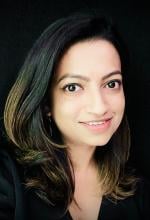
Dr Sarkar is a senior research fellow at the Murdoch Children's Research Institute in Melbourne, Australia. She is
actively engaged in collaborating with academic and industry stakeholders and leads multiple projects for the development of novel therapeutics/vaccines to tackle antimicrobial resistance.

Dr Linny Kimly Phuong is a paediatric infectious diseases physician and researcher. She holds appointments at the Royal Children’s Hospital, Cabrini Health and the Murdoch Children’s Research Institute. Linny’s areas of research include paediatric infections, Kawasaki disease and vaccine safety.
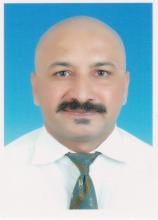
Sarfraz Ahmed is working as a Scientist at Harvard Medical School's Mass General Hospital. His research interests include Diseases and Therapeutics especially focus on Cancer and Therapeutics, Cancer Immunology, Photomedicine, Photo compounds and Photodevices for Cancer, Cancer and Natural agents, Nanomedicine and Nanotechnology for Cancer, Drugs resistance, Microbiology (Bacteriology & Virology) and Drugs resistance
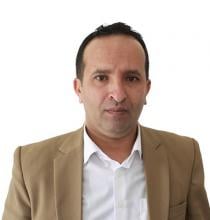
I am a microbiologist currently working as a lecturer in the Medical Microbiology Department, Faculty of Applied Science, Hajjah University, Yemen. I am interested in research areas related to the prevalence of infectious diseases caused by bacteria, viruses, fungi, and parasites in different areas in Yemen.
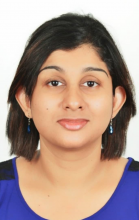
Angeli Ambayya is a Scientific Officer (Ministry of Health, Malaysia). She is passionate about research in the field of hemato-oncology.
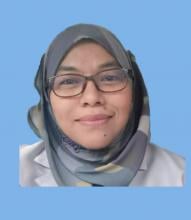
Hamidah Othman, obtained her Bachelor of Nursing Science in 2008, Master of Nursing in 2013 from the University of Malaya and PhD in Nursing, 2022 from International Islamic University Malaysia. Her interest was a critical care in nursing and psychological need towards family members with patients’ admit to the Intensive Care Unit, End of Life care and research in relation to the evidence based practice in nursing. She is currently working as Head and Lecturer at School of Nursing Science, Faculty of Medicine, University of Sultan Zainal Abidin, Kuala Terengganu, Malaysia.
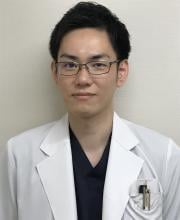
Prof. Ryo Katsumata specialized in clinical research within gastroenterology, particularly in neurogastroenterology. His focus revolves around understanding the brain-gut interaction and the pathophysiology of disorders like functional dyspepsia (FD) and irritable bowel syndrome (IBS) that involve the gut-brain connection.
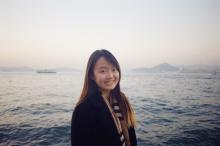
Epidemiologist working with health of marginalized groups, including migrants, informal houses residents, homeless and women caregivers.
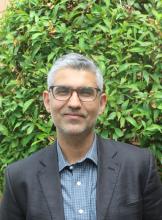
Physician-researcher; Primary area of research: Ageing, at the individual and the population level; Geographical focus: Singapore, with some work in other Asian countries.
Dr. Cheng-Siang Tan is an Associate Professor at the Faculty of Medicine and Health Sciences, Universiti Malaysia Sarawak (UNIMAS). He is an expert in infectious and emerging diseases and biosafety and biorisk management.

Dr. Ashfaq Ahmad Shah (اشفاک), born on 6 June 1992 and hailing from Doderkoot (ددیرکوٹ), Kulgam, South Kashmir, Jammu and Kashmir, India, is an Indian microbiologist, biomedical scientist, academic researcher, scientific reviewer, and annotation engineer whose professional interests span infection biology, immunology, medical microbiology, antimicrobial research and One Health, pharmacology, natural-product science, and artificial intelligence. Dr. Shah has developed an interdisciplinary scientific career focused on understanding the complex interactions between microorganisms, bioactive compounds, and host immune responses, with particular interest in infection–immunity relationships and the discovery of novel antimicrobial, anti-inflammatory, and immunomodulatory agents. He has been associated with Graphic Era (Deemed to be University), Dehradun, Uttarakhand, India, where he pursued research activities from 2020 to 2025 and subsequently continued his academic and research journey in the health sciences/medicine domain, including his role as an assistant professor and scientist in the University Center for Research and Development, Chandigarh University, Mohali, India. His scientific interests encompass a broad spectrum of contemporary biomedical research, including host–pathogen interactions, infection immunity, antimicrobial resistance, immunomodulation, natural-product pharmacology, microbial metabolites, plant-derived bioactive compounds, disease-model studies, protein–antigen interactions, and novel therapeutic discovery. A distinctive component of his research involves investigating the biological significance of phytoalexins, phytoanticipins, phenolic compounds, and other secondary metabolites, particularly their antimicrobial, anti-inflammatory, and potential immunomodulatory properties. His work seeks to establish meaningful links between the chemical characterization of naturally occurring compounds and their biological effects, thereby contributing to the broader field of infection biology and therapeutic research. Dr. Shah has experience with advanced analytical and biochemical approaches, including GC–MS, HPLC, FTIR, and related hyphenated analytical techniques, for the identification and characterization of microbial and plant-derived metabolites and other biologically active compounds. His wider scientific interests also include **tyrosinase inhibition, polyphenol oxidase inhibition, bioactive compounds relevant to pharmaceutical and dermatological applications, and experimental approaches for evaluating antimicrobial and pharmacological activity. Over the course of his academic career, Dr. Shah has contributed to scientific literature through research publications, academic books, book chapters, scientific reviews, and editorial activities. He has published more than 40 scientific papers in national and international journals, including publications in Scopus- SCIE, and Web of Science-indexed journals (Q1, Q2), and has contributed to international academic books and scholarly chapters. His work reflects an interdisciplinary approach in which microbiology is integrated with immunology, pharmacology, analytical chemistry, biotechnology, and biomedical science. In recognition of his academic contributions and scientific work in the area of infection and immunity, Dr. Shah received the Young Scientist Award in August 2023. Alongside his research and academic responsibilities, he has served as a scientific reviewer and editorial contributor associated with scholarly journals, books, and academic initiatives, enabling him to participate in the broader international process of scientific communication and peer review. Dr. Shah has also developed an international academic network through professional interactions and research-related collaborations with scientists and scholarly communities from different parts of the world, including the United States of America, Japan, Malaysia, and other international research environments. These interactions have supported scientific exchange, collaborative discussions, and exposure to diverse approaches in microbiology, immunology, biomedical research, and emerging scientific technologies. His international engagement complements his core research activities and reflects his commitment to developing a globally connected scientific career. Beyond conventional research and academic publishing, Dr Shah has made sustained contributions to the dissemination of medical and scientific knowledge through **Wikipedia**, where he has been an active contributor to medical-science content since 2015. With more than 1,000 edits related to medical and scientific topics, he has contributed to the organisation and accessibility of scientific information for a worldwide readership.Dr Shah has also submitted his NGS work, like nucleotide sequences of mutated genes, to the gene banks like the National Library of Medicine (NCBI) USA.gov.
Ilham Akhsanu Ridlo is an early-career researcher and assistant professor at Indonesia's Faculty of Public Health, Universitas Airlangga. He is a Ph.D. student at Institut für Kommunikationswissenschaft und Medienforschung (IfKW), Ludwig-Maximilians-Universität München. Ilham believes science communication is crucial in bridging the gap between research practice and health policy implementation. His research area concerns how scientists and journalists influence decision-makers to understand scientific uncertainty in public health.
Dr. Singhal serves as senior principal investigator at the Bacterial Immunopathology Lab at A*STAR ID Labs in Singapore. His work at A*STAR ID Labs revolves around three main pathogens: Mycobacterium tuberculosis, Gram-negative bacteria and Dengue virus.
Professor St-Hilaire is a professor at the Department of Infectious Diseases and Public Health, City University of Hong Kong (CityU). She has extensively researched fish nutrition and diseases, including treatment efficacy, and has helped investigate fish disease outbreaks.
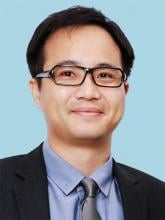
Dr. Deng is a biomedical scientist with a special interest in bacterial virulence, including gene regulation, signaling pathways, and RNA epigenetics. He has worked on virulence regulation in pathogens to discover new therapies against bacterial infections.
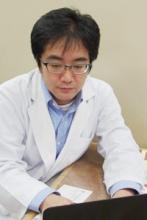
Dr. Ozawa is a Specially Appointed Professor at the Department of Dermatology, Graduate School of Medicine, Osaka Metropolitan University (formerly Osaka City University). His specialized field is skin malignant tumor and surgery.
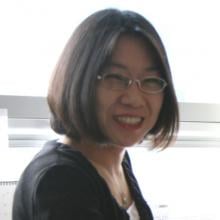
Dr. Soojin Jang heads the Antibacterial Resistance Research Laboratory at Institut Pasteur Korea, where her team focuses on discovering new antibacterial agents for “superbugs” or bacteria resistant to most antibiotics.
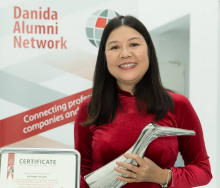
Dr. Van was previously the Director of the Research Institute for Aquaculture No.1 (RIA1) under Vietnam’s Ministry of Agriculture and Rural Development. She has extensive expertise in aquatic animal health and aquaculture safety management.
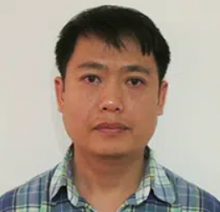
Nguyen Huu Nghia is the Director of the Center for Environment and Disease Monitoring in Aquaculture (CEDMA) at the Research Institute for Aquaculture No.1 (RIA1) under Vietnam’s Ministry of Agriculture and Rural Development. He has co-managed various research efforts in Vietnam aquaculture as well as published recent research into the use of nanobubbles.
Dr Kanimolli Arasu is a lecturer and a dietitian at the International Medical University, Malaysia.
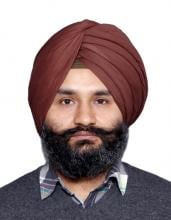
Dr Singh is working as an Additional Professor of Radiology. Besides specializing in medical Imaging, he has received certifications in Global Health, Science Diplomacy and Biomedical Research. His areas of interest and expertise are as follows: Radiology, Nuclear Medicine, Medicine, Health, Public Health, Global Health, Health Policy, Health Systems, evidence-based healthcare and Healthcare leadership.
Giants in history

Henriette Bui Quang Chieu (1906 – 2012) was inspired to follow in her brother’s footsteps and become a doctor after losing her mother to tuberculosis. She studied in France and became the first Vietnamese woman to receive a medical degree. Upon her return to Vietnam, Bui was appointed head of the Department of Midwifery at Cho Lon Hospital in Ho Chi Minh City. A pioneer in gynaecology, she applied acupuncture techniques that she had learned in Japan to obstetrics. As Vietnam was still a French colony, Bui also lobbied for the rights of Vietnamese doctors, nurses, and patients.

Japanese biochemist Akira Endo (1933 – 2024) discovered the first statin, called mevastatin, which lowered cholesterol levels in the blood by inhibiting a key enzyme in the cholesterol biosynthesis pathway. His work laid the foundation for the development of statins to help patients lower their blood cholesterol levels and reduce their risk of heart disease or stroke.

Tu Youyou (born 30 December 1930) is a Chinese pharmaceutical scientist who was awarded the 2015 Nobel Prize in Physiology or Medicine for her work on extracting artemisin from sweet wormwood to treat malaria.

Filipina paediatrician and scientist Perla Santos-Ocampo (25 July 1931 – 29 June 2012) made important contributions to treatments and policies that curbed debilitating and sometimes deadly diarrhoea-related diseases and malnutrition in children.

Singaporean physician Oon Chiew Seng (1916 – 31 March 2022) advanced dementia care and research in Singapore, and co-founded the Apex Harmony Lodge, the nation’s first nursing home for residents with dementia.

Vietnamese surgeon Tôn Thất Tùng (10 May 1912 – 7 May 1982) developed a pioneering technique that reduced the risks and mortality rate of liver operations.
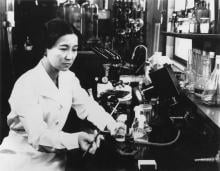
Ruby Sakae Hirose (1904 – 1960) was a Japanese-American scientist whose research contributed significantly to our understanding of blood clotting, allergies and cancer.

Iranian physician and bacteriologist Azar Andami (8 December 1926 – 19 August 1984) developed a cholera vaccine to combat an outbreak that swept through the Middle East, India, Southeast Asia, and Africa in 1937.

Maggie Lim (5 January 1913 – November 1995) was a Singaporean physician who promoted family planning and expanded the access to clinics to improve the quality of life for mothers and children in Singapore’s early days.
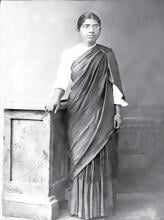
The founder of the Adyar Cancer Institute in India, Muthulakshmi Reddy (30 July 1886 – 22 July 1968), fought to uplift women and girls from impoverished situations.
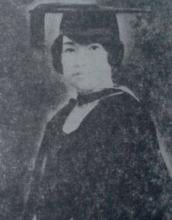
The first Thai woman to receive a degree in medicine, Margaret Lin Xavier (29 May 1898 – 6 December 1932), is best remembered for her compassion towards her less privileged patients.
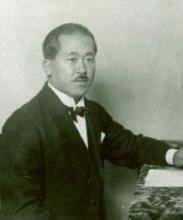
In 1915, Koichi Ichikawa along with pathologist Katsusaburo Yamagiwa became the first to prove that chronic exposure to chemicals can cause cancer.
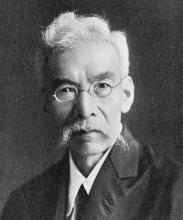
In 1915, pathologist Katsusaburo Yamagiwa and his research assistant Koichi Ichikawa became the first to prove that chronic exposure to chemicals can cause cancer.
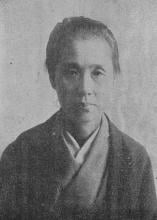
Ogino Ginko (3 March 1851 – 23 June 1913) was the first registered female doctor to practise modern medicine in Japan.
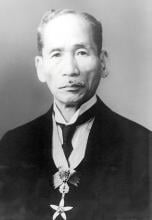
Umetaro Suzuki (7 April 1874 – 20 September 1943) was a Japanese scientist best remembered for his research on beriberi, a disease caused by vitamin B1 deficiency, characterized by limb stiffness, paralysis and pain.
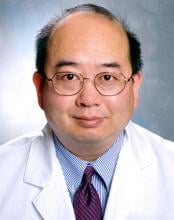
Barry Paw (29 August 1962 – 28 December 2017) was a biologist and oncologist who discovered several novel genes and their functions in red blood cells.
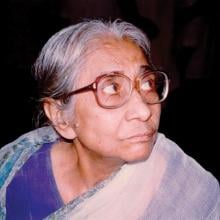
Indian organic chemist Asima Chatterjee (1917 to 2006) studied the medicinal properties of plant products, especially compounds known as vinca alkaloids.
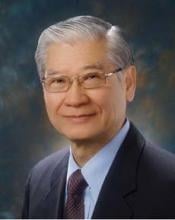
David T. Wong (born 1936) is a Hong Kong-born American neuroscientist who is best known for discovering the antidepressant drug fluoxetine, better known as Prozac.

Wu Lien-teh (10 March 1879 – 21 January 1960) was a Malaysian-born doctor who invented a mask that effectively suppressed disease transmission. Winning the prestigious Queen’s Scholarship enabled Wu to become the first Chinese student to study medicine at the University of Cambridge.
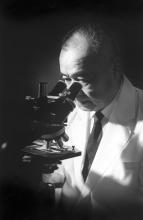
Minoru Shirota (April 23, 1899 – March 10, 1982) was a Japanese microbiologist who invented the popular fermented drink Yakult.
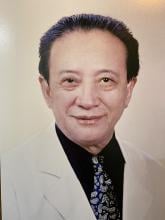
After witnessing death and suffering as a youth in his home village during World War II, Nguyễn Tài Thu (6 April 1931 – 14 February 2021) set his sights on alleviating pain by becoming a doctor. After studying Traditional Chinese Medicine in China in the 1950s, Thu returned to Vietnam to serve in military hospitals. Eventually, he became the country’s foremost practitioner of acupuncture, a technique he first learned by inserting needles into himself.
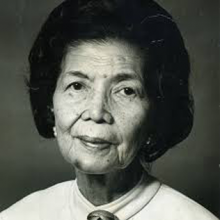
Fe Villanueva del Mundo (27 November 1911 – 6 August 2011) was a Filipina paediatrician who founded the Philippines’ first paediatric hospital.

Filipino chemist and pharmacist Manuel A. Zamora (29 March 1870 – 9 July 1929) is best remembered for his discovery of the tiki-tiki formula to combat beriberi, a disease caused by Vitamin B1 deficiency.

Filipina chemist María Orosa (29 November 1892–13 February 1945) fought malnutrition and food insecurity in the Philippines by devising over 700 culinary creations including Soyalac, a nutrient rich drink made from soybeans, and Darak, rice cookies packed with Vitamin B1, which could prevent beriberi disease caused by Vitamin B1 deficiency. She was also a partisan of the guerrilla movement resisting Japanese occupation during World War II, and died after being struck by shrapnel while working in her laboratory during the Battle of Manila.
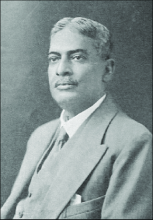
Indian scientist and physician Upendranath Brahmachari (19 December 1873–6 February 1946) is best known for creating a drug called Urea Stibamine, used to safely and reliably treat visceral leishmaniasis (or Kala-azar), a severe infection caused by the Leishmania parasite.
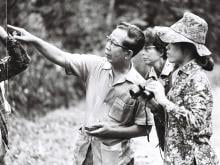
Thai physician and conservationist Boonsong Lekagul (1907 – 1992) made major contributions to the preservation of his country’s wildlife.
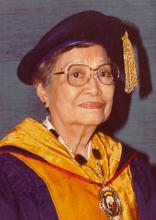
The research of Filipino pharmaceutical chemist Luz Oliveros-Belardo (3 November 1906 – 12 December 1999) focussed on essential oils and other chemicals derived from native Philippine plants.

Ground-breaking cancer researcher Kamal Jayasing Ranadive (8 November 1917 – 11 April 2001) advanced the understanding of the causes of leukaemia, breast cancer and oesophageal cancer through the use of animal models. She was also among the first to recognise how susceptibility to cancer is linked to tumour-causing interactions between hormones and viruses.
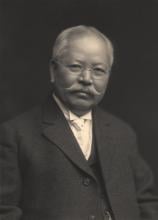
Japanese chemist Takamine Jokichi (3 November 1854 – 22 July 1922) founded the Tokyo Artificial Fertilizer Company, where he isolated a starch-digesting enzyme (named takadiastase) from the fungus Aspergillus oryzae.
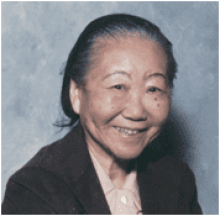
Tsai-Fan Yu (1911 – 2 March 2007) was a Chinese-American physician and researcher who was the first female full professor at Mount Sinai School of Medicine. She discovered that gout, a condition characterized by the painful inflammation of joints, was caused by elevated levels of uric acid in the bloodstream.